Accuracy Class Differences in Electromagnetic Flow Transmitter for Billing
Oct. 06, 2025
electromagnetic flow transmitters are essential devices used in various industries to measure the flow of conductive liquids. This article addresses the critical distinction between accuracy classes in electromagnetic flow transmitters, particularly in billing applications. Professionals in water treatment, food processing, and chemical industries face challenges such as inaccurate flow measurement, which can lead to financial losses or regulatory non-compliance. By understanding these accuracy classes, users can make informed decisions to streamline their operations, ensuring reliability in billing and regulatory compliance.
Basic Knowledge: Terminology and Principles of Electromagnetic Flow Transmitters
Electromagnetic flow transmitters operate on the principles of electromagnetic induction, which is governed by Faraday\'s law. As a conductive fluid flows through a magnetic field, voltage is induced, which is proportional to the flow rate. The terms related to these devices, including "accuracy class," "repeatability," and "linearity," are essential in understanding their performance metrics.
- Accuracy Class: Represents the maximum permissible error in the measurement, stated as a percentage of reading. For instance, an accuracy class of ±0.5% signifies that the device can deviate no more than 0.5% from the true flow rate.
- Repeatability: This refers to the ability of the device to produce consistent readings under the same conditions, often expressed with a percentage. High repeatability is crucial for billing accuracy.
- Linearity: This term describes how well the device maintains accuracy across its measuring range, often detailed as a deviation percentage from a straight line when plotting the measured values.
In-Depth Guide: Steps to Understanding Electromagnetic Flow Transmitter Accuracy Classes
To ensure optimal performance and accuracy in billing applications, follow these steps:
- Step 1: Identify Your Requirements - Determine the specific requirements of your application. Consider factors like the type of liquid, operating conditions (temperature and pressure), and the required accuracy level. For instance, a saline solution might necessitate a different transmitter than a viscous chemical.
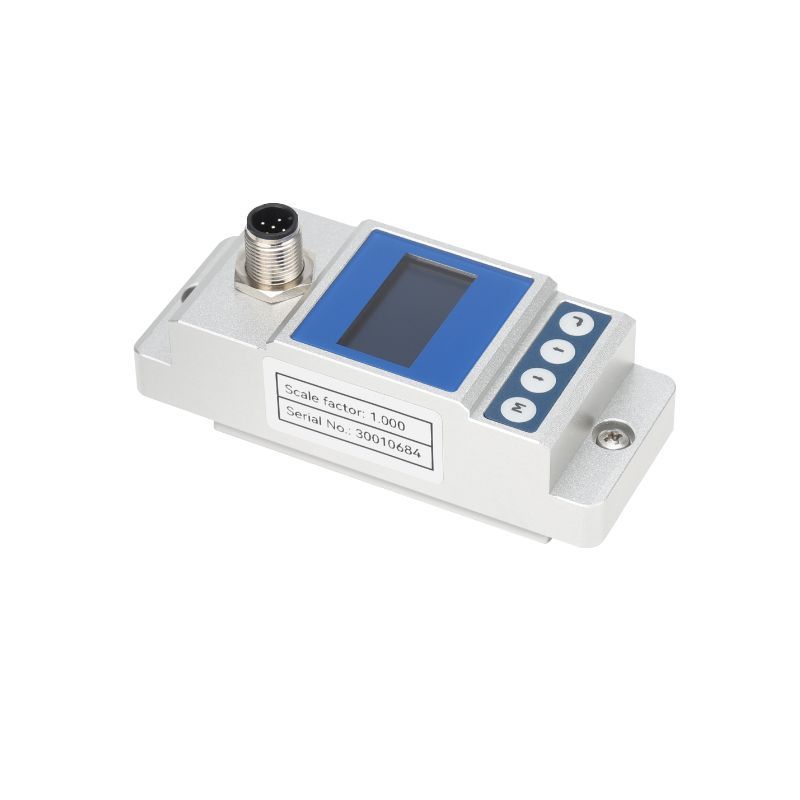
- Step 2: Understand Accuracy Class Differences - Familiarize yourself with the various accuracy classes available for electromagnetic flow transmitters. Common classes include Class 1 (±2.5%) and Class 2 (±1.0%). For example, a Class 2 transmitter like the gallopsensor electromagnetic flow transmitter offers enhanced precision, which is critical for billing purposes.
- Step 3: Evaluate Repeatability and Linearity - Look for specifications that detail the repeatability and linearity of the flow transmitter. Devices with a repeatability of ±0.2% or better yield more reliable measurements for billing, potentially resulting in reduced discrepancies.
- Step 4: Select the Right Brand and Model - Consider reputable manufacturers such as gallopsensor, which provide detailed data sheets for their flow transmitters. Assess the calibration methods they employ and ensure they are compliant with relevant standards.
- Step 5: Conduct Calibration and Maintenance - Regular maintenance and calibration of the flow transmitter are necessary to uphold accuracy. It is advisable to follow a calibration schedule outlined by the manufacturer to ensure compliance and operational efficiency.
- Step 6: Analyze Data for Decision Making - Post-installation, analyze the collected data regularly to ensure the performance of your electromagnetic flow transmitters aligns with billing requirements. Any deviations should be addressed immediately to maintain billing integrity.
FAQ: Common Concerns About Electromagnetic Flow Transmitters
Q1: What is the importance of accuracy class in billing?
A1: The accuracy class directly impacts the precision of flow measurements. In billing applications, even a 1% error can result in significant financial discrepancies, making it vital to select transmitters with low accuracy classes.
Q2: How does temperature and pressure affect flow measurement accuracy?
A2: Temperature and pressure fluctuations can affect the density and viscosity of the fluid, potentially impacting the accuracy of the measurements. It is crucial to choose electromagnetic flow transmitters designed to operate within the specific temperature and pressure ranges of your application.
Q3: Can I retrofit my existing system with a new electromagnetic flow transmitter?
A3: Yes, many electromagnetic flow transmitters are designed for easy integration with existing piping systems. However, ensure that the new device meets your application needs regarding accuracy and compatibility.
Advanced Skills: Extended Reading on Electromagnetic Flow Measurement
For professionals interested in deepening their understanding of electromagnetic flow measurement, consider exploring literature on the latest technological advancements in flow metering, such as the implementation of smart sensors and IoT integration. Understanding these innovations can lead to improved operational efficiency and enhanced data analysis capabilities.
Conclusion: Recommended Products and Services for Accurate Electromagnetic Flow Measurement
To ensure accuracy and reliability in billing applications, it is essential to select the right electromagnetic flow transmitter. Brands like gallopsensor offer a variety of models that meet high accuracy standards and regulatory requirements. For further information or to obtain a recommendation tailored to your specific needs, consider reaching out to gallopsensor directly. Their expertise and extensive product line can assist in resolving any flow measurement challenges you may encounter.
Aug. 24, 2026
Aug. 24, 2026
Aug. 24, 2026
Aug. 24, 2026
