Advancements in Non-Contact Ultrasonic Flow Measurement Technology
Mar. 31, 2026
Table of Contents
Introduction
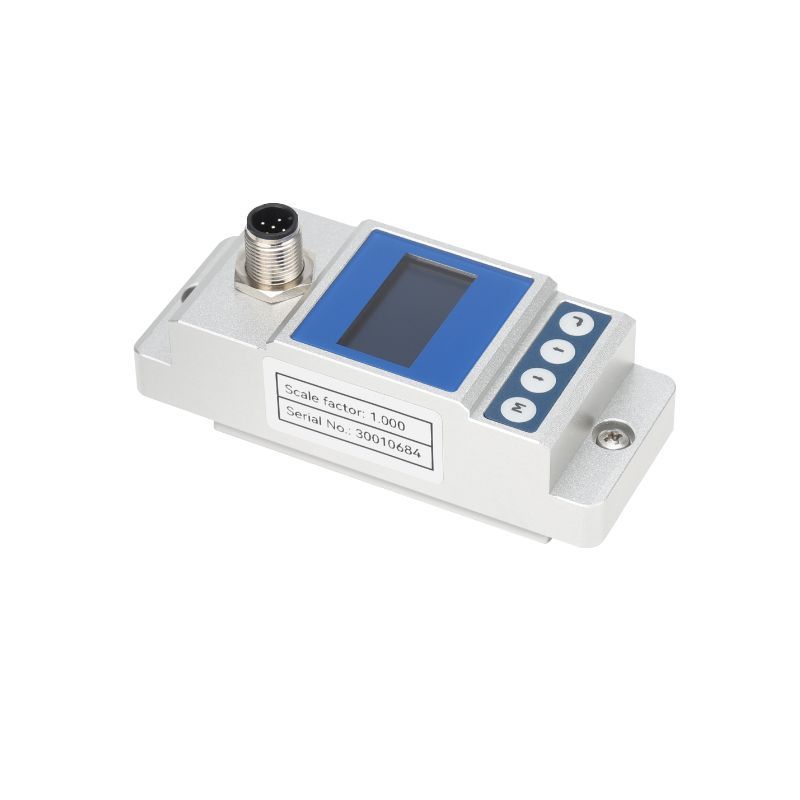
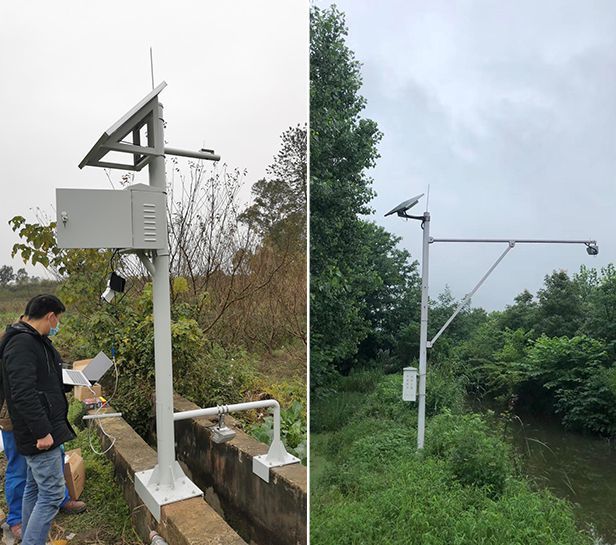
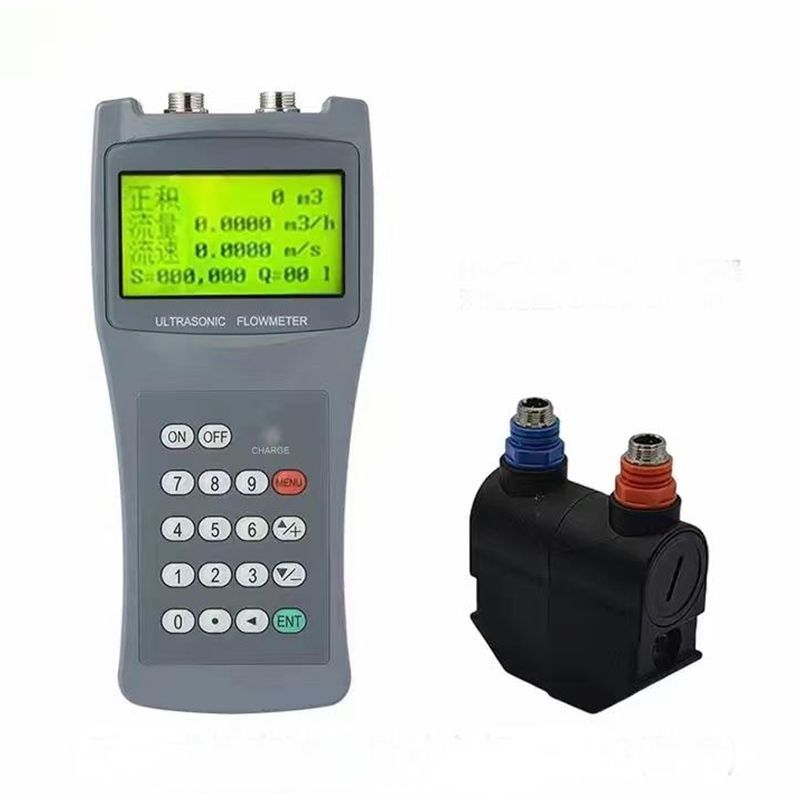
Non-contact ultrasonic flow measurement technology has witnessed significant advancements in recent years. This innovation addresses several challenges faced by industries that require accurate and reliable flow measurement. Traditional flow measurement methods often face issues such as maintenance, wear and tear, and accuracy in various conditions. With ultrasonic flow meters, particularly those designed by gallopsensor, users experience enhanced reliability and efficiency. This article will cover the innovations that have emerged in this field, highlighting their potential benefits and applications.
1. Advantages of Non-Contact Ultrasonic Flow Meters
Non-contact ultrasonic flow meters present multiple advantageous features. Below are key points to consider:
1.1 Reduced Maintenance Costs
The non-contact nature of ultrasonic measurement reduces wear and tear, leading to lower maintenance costs.
1.2 High Accuracy
These meters provide high accuracy across different flow rates, which is vital for industrial applications.
1.3 Versatility
Non-contact ultrasonic flow measurement systems can be used for various fluids, making them versatile across industries.
| Advantage | Description |
|---|---|
| Reduced Maintenance | Minimized parts and maintenance needs lead to cost savings. |
| High Accuracy | Precision flow measurement across various conditions. |
| Versatility | Applicable to many types of liquids and gases. |
2. Latest Technological Advancements
Recent technological advancements have further improved the capability of non-contact ultrasonic flow meters. Notable developments include:
2.1 Enhanced Signal Processing
Improvements in signal processing algorithms have led to better accuracy and faster response times.
2.2 Wireless Communication Features
New ultrasonic meters now integrate wireless communication, facilitating remote monitoring and data collection.
2.3 Integration with IoT
Integration with the Internet of Things (IoT) enables real-time data analysis and enhanced decision-making.
3. Key Applications
Ultrasonic flow measurement technology has diverse applications across several sectors:
3.1 Water and Wastewater Management
Used extensively in monitoring water flow and wastewater treatment processes.
3.2 Oil and Gas Industry
Essential for measuring crude oil and natural gas flow, ensuring both accuracy and safety.
3.3 Chemical Processing
Applicable in the chemical industry for measuring various fluid properties.
4. Future Trends
The future of non-contact ultrasonic flow measurement looks promising with trends including:
4.1 Artificial Intelligence Integration
AI will play a critical role in enhancing measurement accuracy and predictive maintenance.
4.2 Sustainable Technologies
Advancements focusing on sustainability will drive innovations within flow measurement technologies.
4.3 Increased Adoption in Smart Cities
Growing trends toward smart city initiatives will see an increase in demand for accurate flow measurement.
5. Conclusion
Non-contact ultrasonic flow measurement technology continues to evolve, driven by advancements that enhance accuracy, reduce costs, and integrate with modern technologies. These innovations are vital for industries requiring precise flow measurements, facilitating better decision-making and operational efficiency. As the technology progresses, more applications will emerge, establishing non-contact ultrasonic flow meters as an essential tool across various sectors.
Aug. 24, 2026
Aug. 24, 2026
Aug. 24, 2026
Aug. 24, 2026
