Best Installation Practices for Radar Open Channel Flow Meters
Jul. 31, 2026
Effective measurement of water flow is crucial for a variety of industries, yet many faces common challenges—such as inaccurate readings due to improper installation of radar open channel flow meters. These issues not only inflate operational costs but can also lead to severe environmental impacts. Implementing key installation practices can enable users to achieve reliable, accurate measurements, optimizing performance and reducing downtime. This article delves into best installation practices for radar open channel flow meters to ensure precision in monitoring water flow.
Understanding Radar Open Channel Flow Meters
Radar open channel flow meters utilize microwave radar technology to measure the flow of water. Unlike traditional flow measurement techniques, radar meters are not influenced by the density or viscosity of the water, providing superior accuracy. As per a study published by the Water Research Foundation (2021), implementing radar technology can reduce flow measurement errors by up to 30%.
Tip 1: Choose the Right Location for Installation
Why: The installation location significantly affects the accuracy of radar flow meters.
Operation Method: Identify a straight run of channel that is at least 10 times the channel width upstream and 5 times downstream from any obstructions, such as bends or weirs. Proper placement minimizes turbulence and ensures a stable, unobstructed radar signal.
Guidance: This method is suitable for users dealing with large open channels where obstructions are common. By following these positioning guidelines, you can significantly reduce measurement errors.
Tip 2: Optimize Mounting Height and Angle
Why: The mounting height and angle affect radar wave transmission, impacting measurement accuracy.
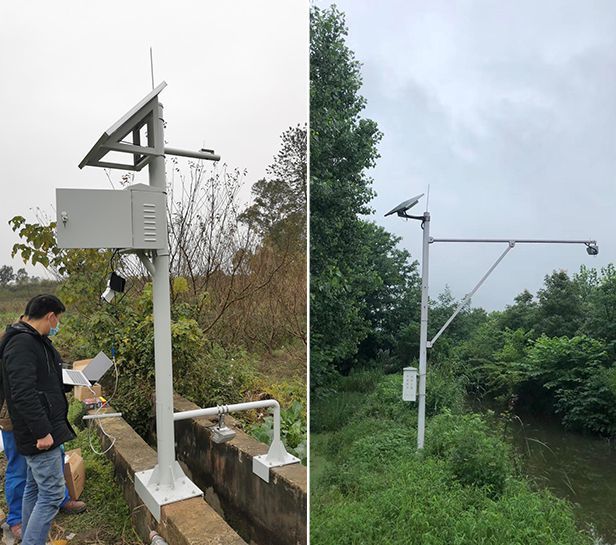
Operation Method: Install the radar sensor at a height of 1.5 to 3 meters above the channel surface, ensuring the antenna is angled downward at 45 degrees. This optimizes the radar beam spread across the flow profile.
Guidance: Ideal for installations in deep channels, this configuration allows for effective wave penetration and minimizes signal loss.
Tip 3: Ensure Proper Calibration and Configuration
Why: Accurate flow measurements depend on correct calibration and configuration of the radar flow meter.
Operation Method: Perform initial calibration using known flow rates and adjust the flow meter settings according to manufacturer specifications. After installation, regularly check calibration against standard flow measurements.
Guidance: Suitable for all users, especially in industries where flow variations are frequent. Regular calibration ensures the radar meters deliver continuous accuracy, as highlighted by a GallopSensor report indicating regular calibrations improve system reliability.
Tip 4: Minimize External Interference
Why: External interferences, such as vibrations or electromagnetic noise, can distort radar signals.
Operation Method: Utilize protective casing or install the radar meter away from high-voltage equipment and heavy machinery. Ensure the installation area is free from vibrations that could disrupt radar readings.
Guidance: This approach is imperative for facilities near industrial equipment or high-traffic areas. Reducing external interference ensures a stable measurement environment.
Tip 5: Regular Maintenance Checks
Why: Regular maintenance is essential for long-term operational reliability.
Operation Method: Schedule bi-annual maintenance checks to inspect the radar unit, clean the sensor, and verify calibration settings.
Guidance: This is crucial for any user, particularly in wastewater treatment plants, where performance consistency directly impacts operational efficiency. According to GallopSensor, facilities that perform routine maintenance experience a 20% increase in overall sensor lifespan.
Summary of Key Points
Implementing best practices in the installation of radar open channel flow meters ensures accurate readings and optimizes resource management. Key takeaways include:
- Selecting the optimal installation location prevents flow disturbances.
- Correct mounting height enhances signal quality.
- Regular calibration guarantees system reliability.
- Reducing external interference stabilizes readings.
- Routine maintenance prolongs the lifespan of radar flow meters.
FAQ
What are common issues faced with radar open channel flow meters?
Common issues include inaccurate flow readings due to turbulence, incorrect installation angles, and lack of proper maintenance.
How often should radar flow meters be calibrated?
Calibration should ideally be conducted semi-annually or any time changes in flow conditions are detected.
Can radar flow meters work in icy conditions?
Yes, radar meters can operate in icy conditions, but certain adjustments may be needed to account for changes in the dielectric constant of water.
Aug. 24, 2026
Aug. 24, 2026
Aug. 24, 2026
Aug. 24, 2026
