Beverage Factory Improves Batch Dosing with Compact Electromagnetic Flow Transmitter
Aug. 27, 2025
Table of Contents
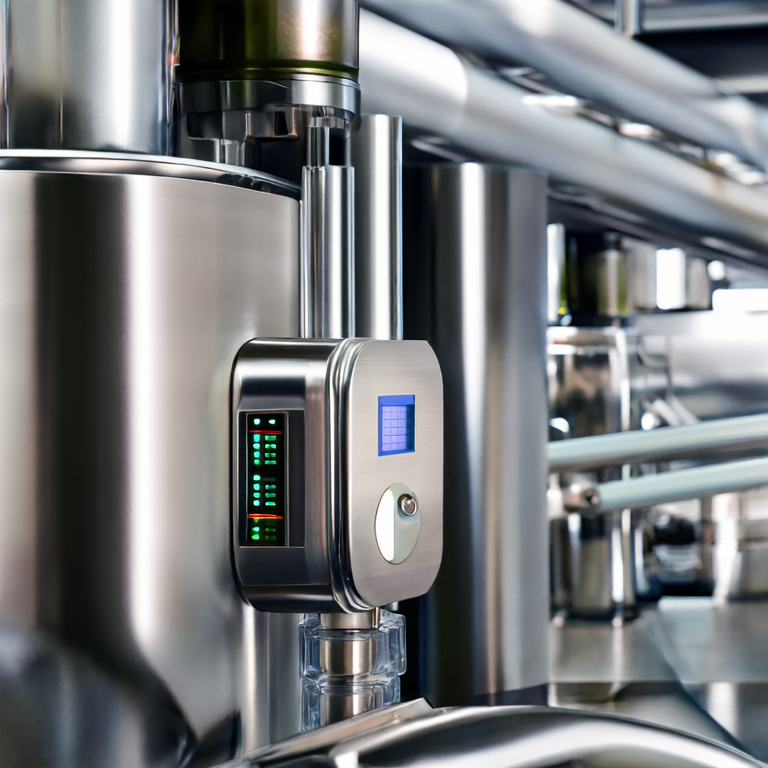
In the fast-paced beverage manufacturing industry, precise batch dosing is crucial for maintaining quality and efficiency. A compact electromagnetic flow transmitter significantly enhances this process by offering accurate flow measurements. This technology addresses common challenges faced by beverage factories, such as inconsistent dosing and equipment footprint limitations.
1. Understanding Batch Dosing
Batch dosing refers to the process of accurately measuring and dispensing ingredients in specific quantities during beverage production.
Key Aspects of Batch Dosing:
- Consistency in flavor and quality
- Reduction of waste and overuse of ingredients
- Automation of the dosing process
- Compliance with industry standards
2. The Role of Electromagnetic Flow Transmitters
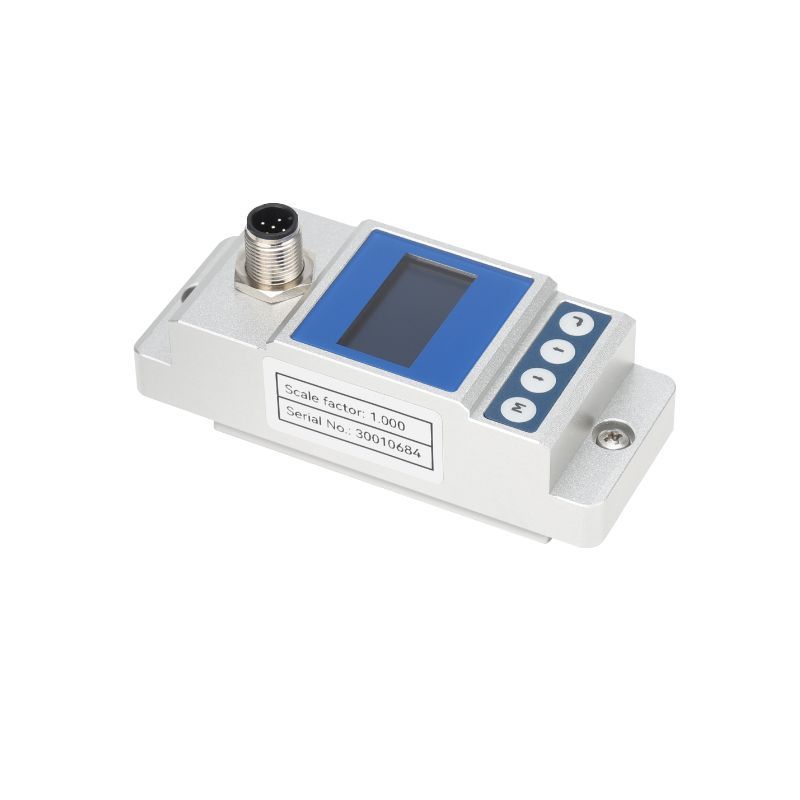
Electromagnetic flow transmitters play a vital role in measuring the flow rate of conductive liquids. They utilize electromagnetic fields to obtain precise measurements, making them ideal for batch dosing applications in beverage factories.
Advantages of Electromagnetic Flow Technology:
- No moving parts, reducing maintenance
- High accuracy and reliability
- Wide range of flow measurement capabilities
- Compatibility with various fluid types
3. Benefits of Compact Design
The compact design of modern electromagnetic flow transmitters offers several advantages for beverage factories striving for efficient operations.
Benefits of Compact Electromagnetic Flow Transmitters:
- Space-saving installation in facilities
- Easy integration into existing systems
- Lower weight for easier handling
- Cost-effectiveness in installation and operation
4. Increasing Accuracy and Efficiency
Accuracy in flow measurement is crucial for effective batch dosing. Compact electromagnetic flow transmitters offer high accuracy rates that can boost operational efficiency.
Factors Contributing to Improved Accuracy:
- Real-time measurement capabilities
- Minimized flow disturbance
- Enhanced calibration options
- Temperature and pressure compensation
5. Case Study: Beverage Factory Success
A renowned beverage factory implemented a compact electromagnetic flow transmitter to improve their batch dosing process.
Results:
- 30% reduction in ingredient waste
- 20% increase in production speed
- Enhanced flavor consistency across batches
- Lower maintenance costs due to the device\'s design
6. Comparison with Other Flow Measurement Techniques
| Measurement Technique | Accuracy | Maintenance Needs | Installation Complexity |
|---|---|---|---|
| Electromagnetic Flow Transmitter | High | Low | Easy |
| Mechanical Flow Meters | Medium | High | Moderate |
| Ultrasonic Flow Meters | Medium to High | Moderate | Complex |
7. Conclusion
The integration of compact electromagnetic flow transmitters in beverage factories facilitates improved batch dosing processes. The benefits include increased accuracy, reduced ingredient waste, and enhanced operational efficiency. By adopting this technology, manufacturers can achieve better product quality and operational effectiveness.
 gallopsensor" style="max-width: 100%; height: auto;"/>
Company Brand: gallopsensor
Aug. 24, 2026
Aug. 24, 2026
Aug. 24, 2026
Aug. 24, 2026
