Bidirectional Flow Measurement Capabilities of Electromagnetic Flow Transmitter
Oct. 09, 2025
electromagnetic flow transmitters are crucial tools in fluid dynamics and measurement, particularly due to their ability to accurately measure fluid flow in both directions. This capability is especially important in applications where understanding the bidirectional nature of flow is necessary, such as in wastewater management, process industries, and irrigation systems. This article delves into the bidirectional flow measurement capabilities of electromagnetic flow transmitters, their operational principles, advantages, and how to implement them effectively.
Understanding Electromagnetic Flow Transmitters
- What is an Electromagnetic Flow Transmitter?
- Definition and basic operational principles of electromagnetic flow measurement.
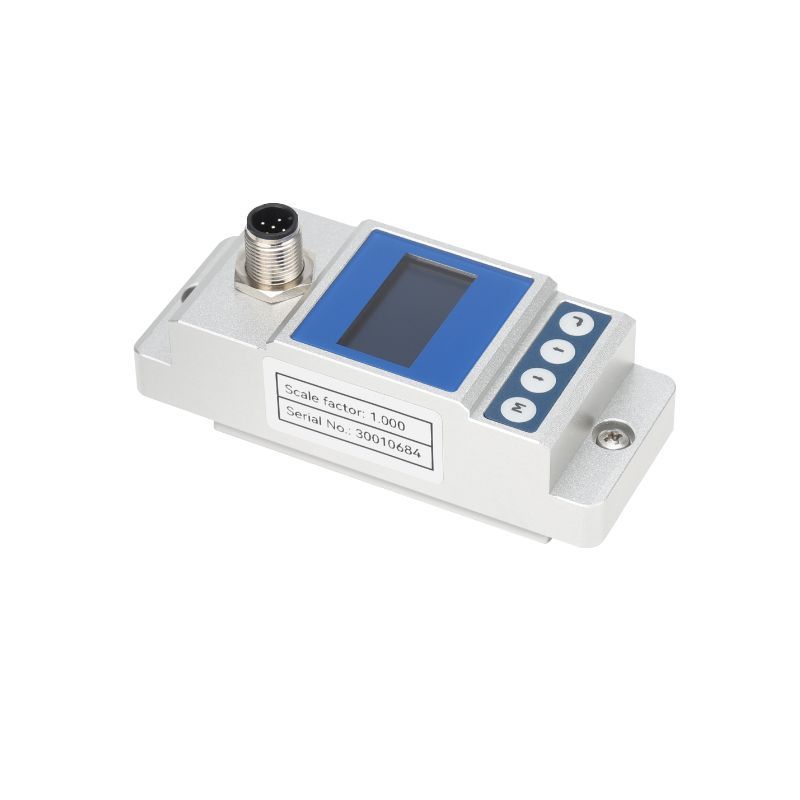
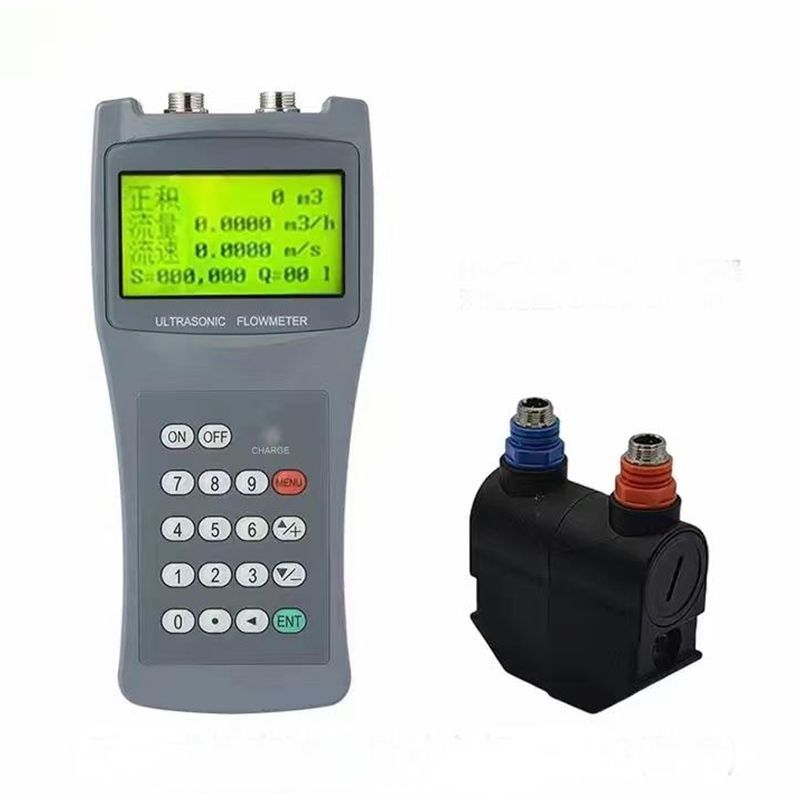
- Key components, including sensors and signal processors.
- How Does Bidirectional Flow Work?
- Mechanism behind bidirectional flow measurement.
- Role of magnetic fields in measuring the velocity of conductive fluids.
Applications of Electromagnetic Flow Transmitters
- Industrial Applications
- Usage in chemical processing industries.
- Importance in water and wastewater treatment facilities.
- Agricultural Applications
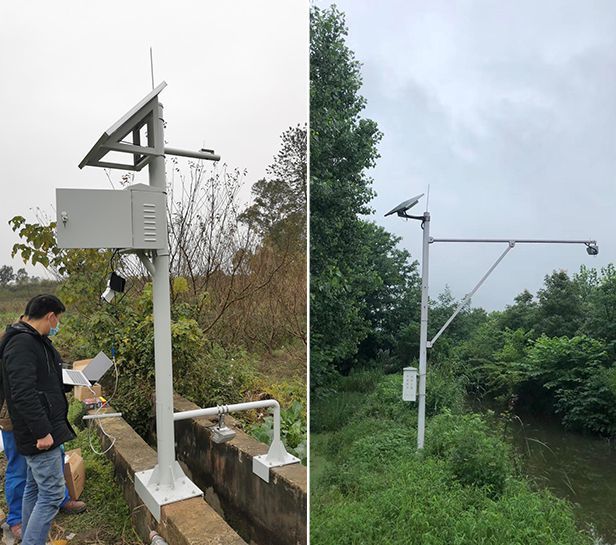
- Monitoring irrigation systems and improving water usage efficiency.
- Benefits for crop management and environmental sustainability.
Advantages of Using Electromagnetic Flow Transmitters
- High Accuracy and Reliability
- Evaluation of accuracy metrics in flow measurement.
- Comparing electromagnetic transmitters with other flow measurement technologies.
- Non-Intrusive Technology
- Details on the non-invasive nature of electromagnetic flow transmitters.
- Benefits of avoiding wear on the sensor and maintaining fluid integrity.
Implementing Bidirectional Flow Measurement
- Step-by-Step Installation Guide
- Preparation: Selecting the right transmitter model for your application.
- Installation: Mounting position and alignment considerations.
- Calibration: Steps to calibrate the system for accurate measurement.
- Data Interpretation and Analysis
- How to analyze bidirectional flow data effectively.
- Using software tools for visualization and reporting.
Challenges and Considerations When Using Electromagnetic Flow Transmitters
- Limitations of Electromagnetic Flow Measurement
- Discussing the types of fluids that can be measured (conductivity limitations).
- No-Slip Condition: Understand the effects of non-Newtonian fluids and gases.
- Maintenance Best Practices
- Regular checks to ensure sensor integrity and performance.
- Troubleshooting common issues and challenges.
Future Trends in Flow Measurement Technologies
- Advancements in Electromagnetic Technology
- Technological innovations improving measurement accuracy and reliability.
- The integration of IoT and smart technologies into flow measurement systems.
- The Role of Electromagnetic Flow Measurement in Sustainability
- How these technologies support environmental protection initiatives.
- Case studies of successful applications in enhancing water conservation.
Conclusion
In summary, the bidirectional flow measurement capabilities of electromagnetic flow transmitters make them invaluable for various industries. Understanding their applications, advantages, and operational mechanisms can significantly enhance fluid management and control in both industrial and agricultural contexts. For those looking to implement this technology, adhering to best practices in installation, calibration, and maintenance will further ensure reliable data and optimal performance.

Further Resources
- For details on electromagnetic flow technologies, visit the gallopsensor website.
- Industry recommendations and electrical safety standards can be found at NIST.
Aug. 24, 2026
Aug. 24, 2026
Aug. 24, 2026
Aug. 24, 2026
