Case Study: Ultrasonic Flow Meters in Industrial Effluent Monitoring
Mar. 24, 2026
Table of Contents
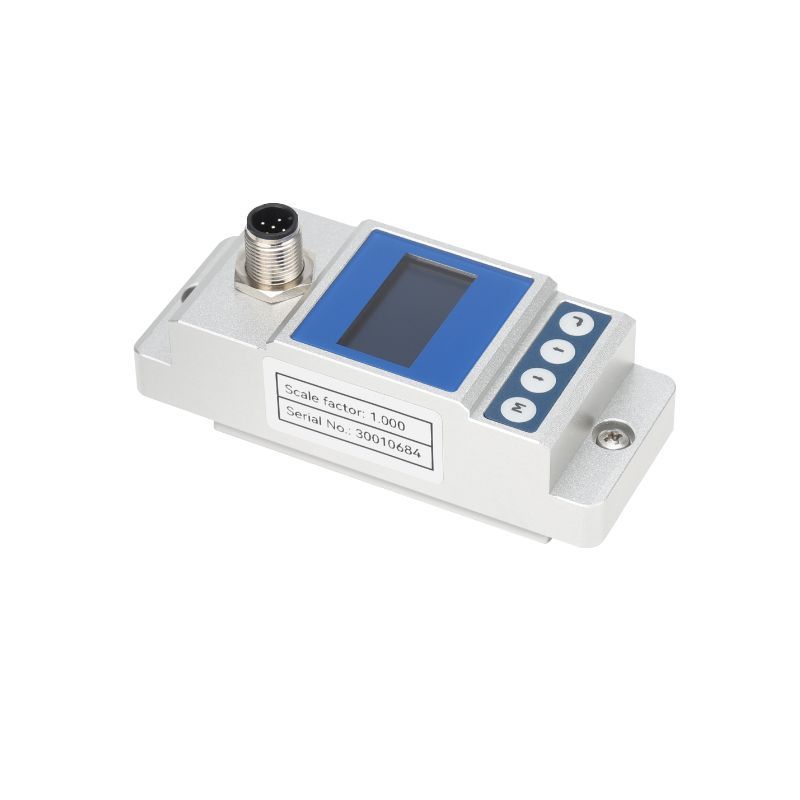
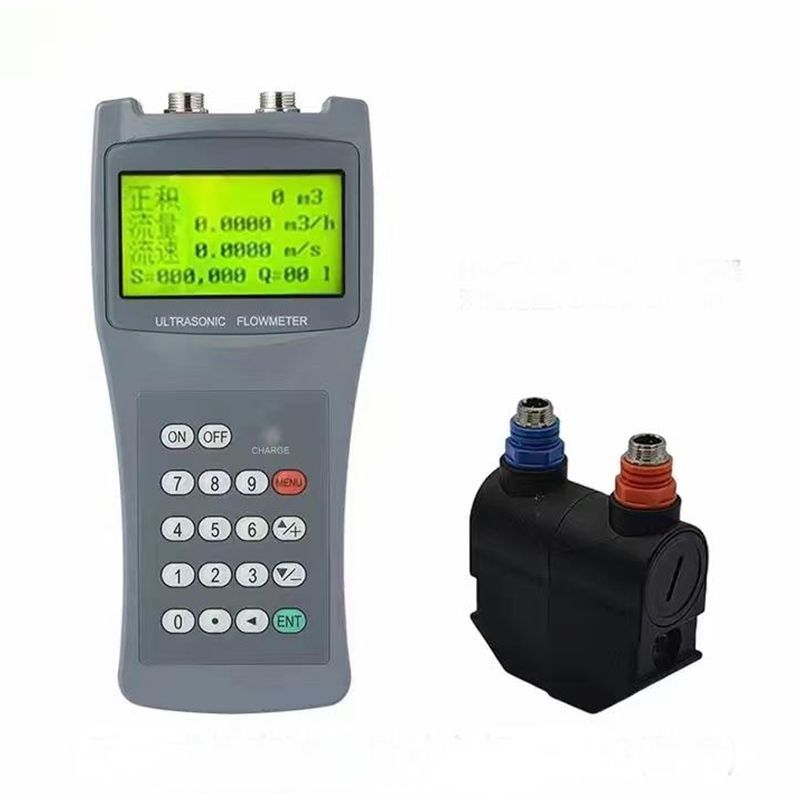
Ultrasonic flow meters play a crucial role in monitoring and optimizing the management of industrial effluent. Businesses face increasing pressure to ensure compliance with environmental regulations, reduce costs, and enhance operational efficiency. In this article, we delve into how ultrasonic flow meters can address these pain points, providing concrete data and case studies to exhibit effectiveness in industrial effluent monitoring.
1. Importance of Ultrasonic Flow Meters
- Accurate measurement of flow rates
- Non-invasive installation process
- Real-time data transmission
- Reduced maintenance costs
Accurate Measurement of Flow Rates
Ultrasonic flow meters are known for their precision in gauging liquid flow. In industrial applications, ensuring accurate flow measurements directly correlates with efficient operations and compliance with regulations.
Non-invasive Installation Process
The installation of these devices does not require cutting into pipes, which minimizes downtime during setup. This feature is especially beneficial in busy industrial environments.
Real-Time Data Transmission
These meters provide immediate insights into flow conditions, enabling companies to react swiftly to any irregularities in effluent discharge.
Reduced Maintenance Costs
Due to their non-contact nature, ultrasonic flow meters often require less maintenance than conventional methods, leading to lowered operational costs over time.
2. Case Study Overview
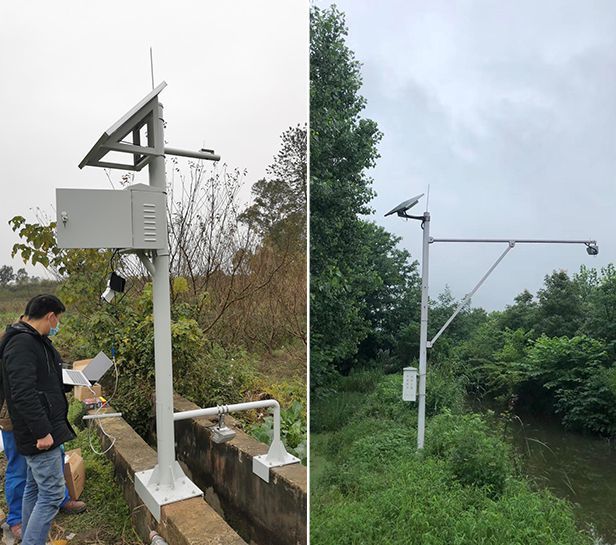
In this section, we analyze a specific case where an industrial facility adopted ultrasonic flow meters to improve its effluent monitoring process. Our case study focuses on a manufacturing plant located in Europe that faced challenges related to effluent management.
3. Monitoring Industrial Effluent
Monitoring effluent is vital for several reasons:
- Compliance with environmental regulations
- Protecting local water bodies
- Improving process efficiency
Compliance with Environmental Regulations
With stringent regulations in various regions, industries are obligated to constantly monitor discharges to avoid fines and legal issues.
Protecting Local Water Bodies
Effective monitoring helps prevent contamination of natural water bodies, ensuring the protection of ecosystems and public health.
Improving Process Efficiency
Real-time monitoring translates into better operational control, reducing waste and thereby enhancing profitability.
4. Comparison Table of Monitoring Methods
| Method | Accuracy | Installation Complexity | Maintenance | Cost |
|---|---|---|---|---|
| Ultrasonic Flow Meters | High | Low | Low | Medium |
| Magnetic Flow Meters | High | Medium | Medium | High |
| Mechanical Flow Meters | Medium | High | High | Low |
5. Step-by-Step Process for Implementation
The process starts with understanding the effluent characteristics and the specific requirements for monitoring. Below is a flowchart that walks through the basic steps involved in implementing ultrasonic flow meters:
//image.chukouplus.com/tools_upload/T_1695/file/20260109/a16f143ace37f971a3d0c42c745311f6.png
- Assess effluent characteristics
- Select appropriate ultrasonic meter
- Install the hardware
- Configure software for data collection
- Start monitoring and report generation
6. Conclusion
Ultrasonic flow meters represent a significant advancement in the realm of industrial effluent monitoring. With their accuracy, ease of installation, and low maintenance requirements, they solve pressing challenges faced by manufacturers. The case study outlined provides robust data and insights into the benefits of adopting this technology, reinforcing its essential role in today’s industrial landscape. By choosing ultrasonic flow meters, companies can enhance compliance and operational efficiency while protecting the environment.
In summary, incorporating ultrasonics into effluent monitoring not only satisfies regulatory demands but also positions businesses for sustainable growth in an increasingly eco-conscious market. To stay compliant and efficient, consider the advantages of ultrasonic flow meter solutions from gallopsensor.
Aug. 24, 2026
Aug. 24, 2026
Aug. 24, 2026
Aug. 24, 2026
