Centralized Flow Monitoring for Multi-Site Water and Wastewater Systems
Mar. 31, 2026
Table of Contents
1. Introduction
Centralized flow monitoring is essential for optimizing management in multi-site water and wastewater systems. By utilizing advanced technology, organizations can achieve real-time data collection, enhanced visibility, and improved compliance with regulations. The need for accurate flow measurement has never been greater, given the increasing challenges in resource management, environmental constraints, and financial efficiency. Implementing ultrasonic flow meters can provide significant insights, enabling facilities to respond proactively to changing conditions.
2. Pain Points in Multi-Site Flow Monitoring
Managing multiple sites can be overwhelming. Here are the primary challenges:
Inconsistent Data Collection
Accurate data collection is crucial. Variations can lead to poor decision-making.
Lack of Real-Time Insights
Without real-time monitoring, issues may escalate before they are even detected.
Complex Compliance Requirements
Meeting regulations at various sites can be challenging without a centralized solution.
Resource Wastage
Wasting water due to undetected leaks or inefficiencies can be costly.
High Operational Costs
Monitoring systems that require frequent maintenance can significantly drive up costs.
3. Benefits of Centralized Flow Monitoring
Centralized flow monitoring offers numerous advantages:
Improved Data Accuracy
Utilizing ultrasonic flow meters ensures precise measurements across multiple sites, reducing error rates.
Enhanced Decision-Making
Real-time data allows for informed and timely decisions, improving operational efficiency.
Streamlined Compliance Monitoring
Maintaining compliance is easier with centralized reporting tools that track all metrics in one place.
Cost Reduction
Lower operational costs can be achieved through better resource management and reduced manual monitoring.
Early Problem Detection
Identify and resolve issues before they escalate, minimizing risks to operations.
4. Key Technologies for Centralized Monitoring
Several technologies play a role in centralized flow monitoring:
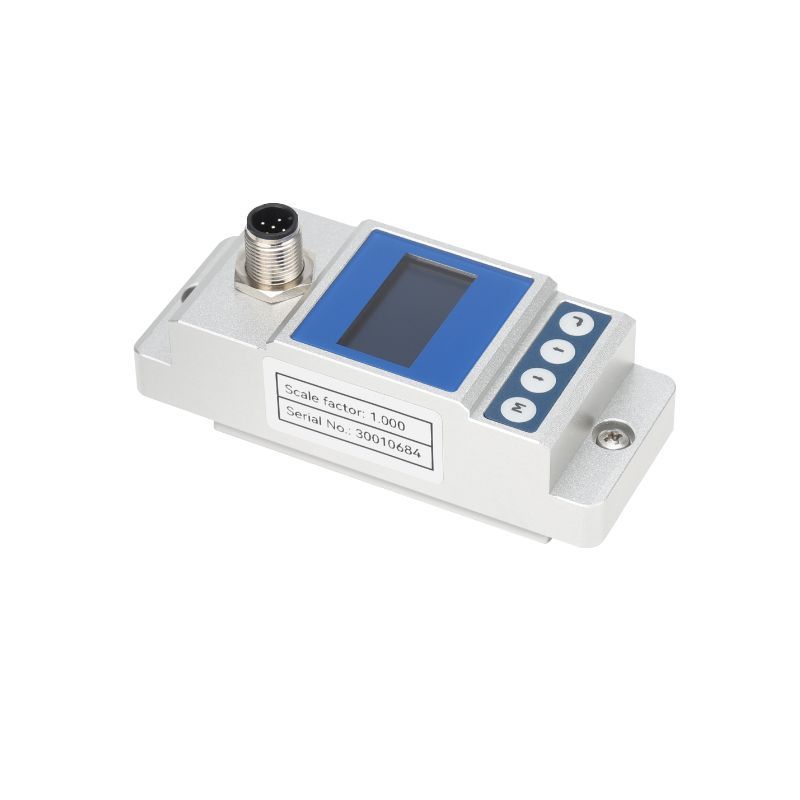
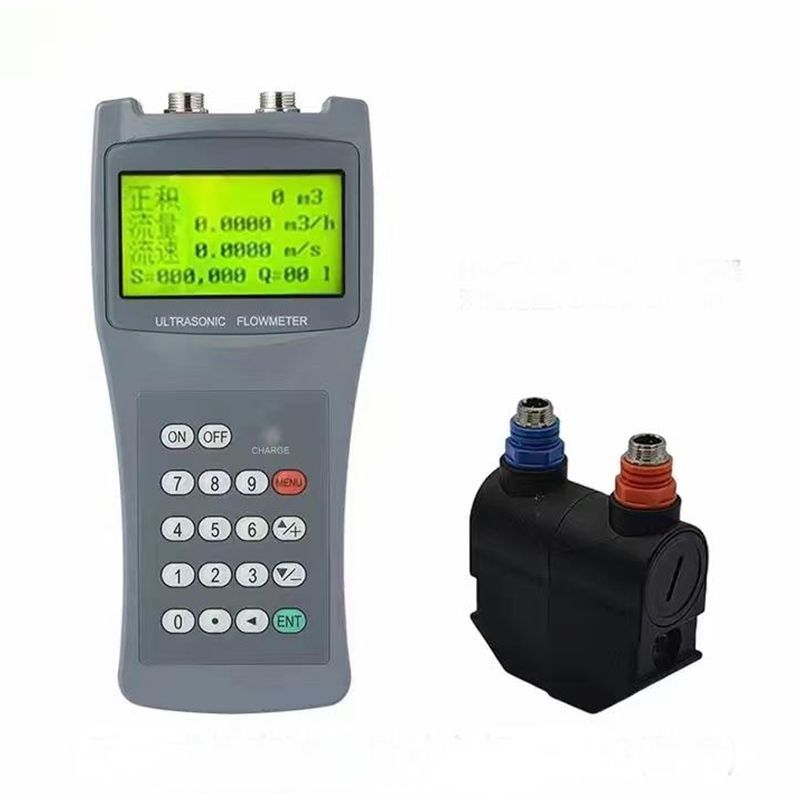
Ultrasonic Flow Meters
These devices use sound waves to measure flow rates and are ideal for various applications, offering non-invasive installation.
Cloud-Based Data Solutions
Cloud technology facilitates the storage and management of data, enabling access from anywhere.
Integration with SCADA Systems
Integrating flow meters with Supervisory Control and Data Acquisition (SCADA) systems enhances monitoring capabilities.
Advanced Analytics Tools
Data analytics tools can process flow data, providing insights and trend predictions.
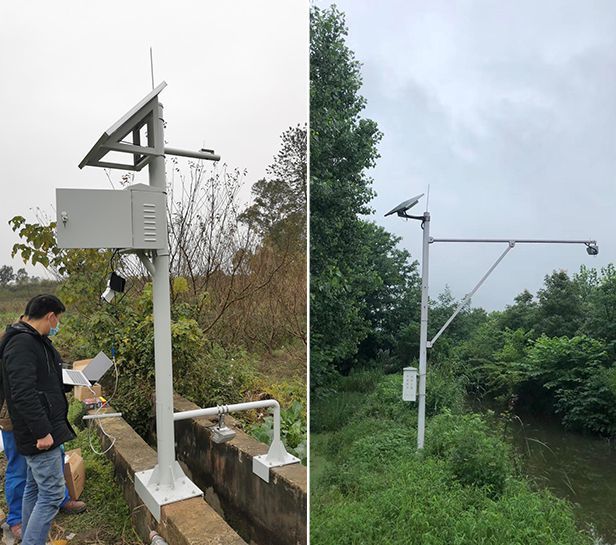
IoT Sensors
IoT technology allows for remote monitoring and control of flow rates, improving responsiveness to changes.
5. Implementation Steps for Effective Monitoring
Implementing a centralized monitoring system involves several key steps:
Assess Current Systems
Evaluate existing flow monitoring systems to identify gaps and inefficiencies.
Select Appropriate Technologies
Choose technologies that align with your specific monitoring needs, like ultrasonic flow meters and cloud solutions.
Plan Integration with Existing Infrastructure
Ensure chosen technologies can integrate seamlessly into your current systems.
Implement Pilot Testing
Conduct a pilot test to measure efficiency and data accuracy before full-scale deployment.
Launch Full Implementation
Roll out the centralized system across all sites, ensuring all staff are trained on new technologies.
6. Case Studies Demonstrating Effectiveness
Here are examples illustrating the value of centralized flow monitoring:
| Company | Problem | Solution | Outcome |
|---|---|---|---|
| City Water Utility | High water waste | Installed ultrasonic flow meters | Reduced water loss by 30% |
| Wastewater Management Firm | Compliance failures | Implemented centralized monitoring system | Achieved 100% compliance |
| Industrial Manufacturing | High operational costs | Adopted IoT solutions for flow monitoring | Cut costs by 20% |
7. Conclusion
Centralized flow monitoring is not just a trend; it is a necessity for modern water and wastewater management. By overcoming common challenges through advanced technologies such as ultrasonic flow meters, companies can achieve better data accuracy, operational efficiency, and compliance. Prioritizing centralized solutions will ultimately lead to significant cost savings and more sustainable resource management practices.
Aug. 24, 2026
Aug. 24, 2026
Aug. 24, 2026
Aug. 24, 2026
