Challenges and Solutions for Accurate Flow Measurement in Harsh Industrial Environments
Jan. 16, 2026
Table of Contents
1. Common Challenges in Flow Measurement
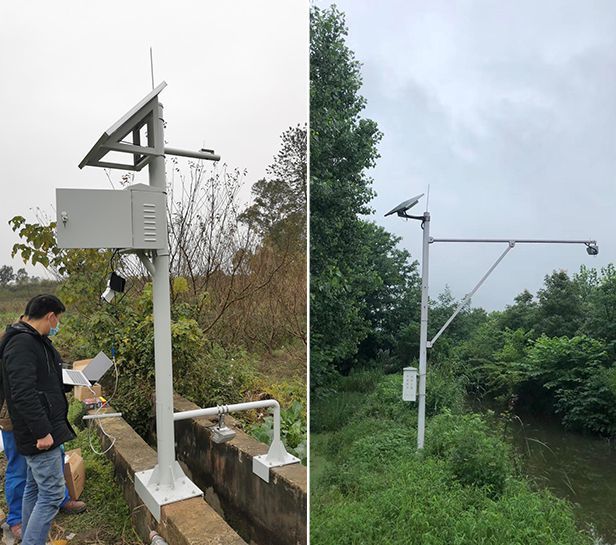
Accurate flow measurement in harsh industrial environments presents multiple challenges. These situations often pertain to extreme temperatures, corrosive chemicals, and fluctuating pressure. Understanding these pain points is crucial for ensuring reliable data collection.
1. **Environmental Conditions**: Extreme weather can affect sensor performance, leading to inaccurate readings.
2. **Material Compatibility**: Equipment must withstand corrosive materials that can degrade measurement tools.
3. **Installation Issues**: Improper setup can result in errors, including turbulence that affects data accuracy.
4. **Signal Interference**: Electrical noise and vibrations can distort the signals from flow measurement devices.
5. **Maintenance Requirements**: Frequent upkeep is often necessary in harsh conditions, leading to downtime and increased operational costs.
Environmental Factors
Harsh environments like chemical plants or oil rigs can reach temperatures as high as 200°C and expose materials to acids or bases. This can lead to sensor failure and downtime.
Material Compatibility
According to research, over 30% of flow meters fail due to material corrosion issues, emphasizing the importance of material selection.
2. Solutions for Enhancing Accuracy
Implementing effective solutions can significantly improve the accuracy of flow measurements in challenging industrial settings.
1. **Use of Robust Materials**: Choose flow meters constructed from high-performance materials like PVDF or Hastelloy.
2. **Regular Calibration**: Frequent calibrations can mitigate accuracy decline due to environmental factors.
3. **Advanced Technology**: Opt for ultrasonic flow meters that utilize state-of-the-art technology for enhanced precision.
4. **Proper Installation**: Ensure meters are installed according to manufacturer guidelines to avoid installation-related errors.
5. **Signal Conditioning Tools**: Use signal filters to minimize interference caused by ambient conditions.
Robust Materials
Using advanced materials can enhance sensor longevity and reduce failures by up to 50% in aggressive environments.
Signal Conditioning Tools
Employing signal conditioning technologies can reduce error rates by over 20%, allowing for more accurate readings.
3. Importance of Choosing the Right Technology
Selecting the appropriate technology directly influences measurement accuracy and overall performance.
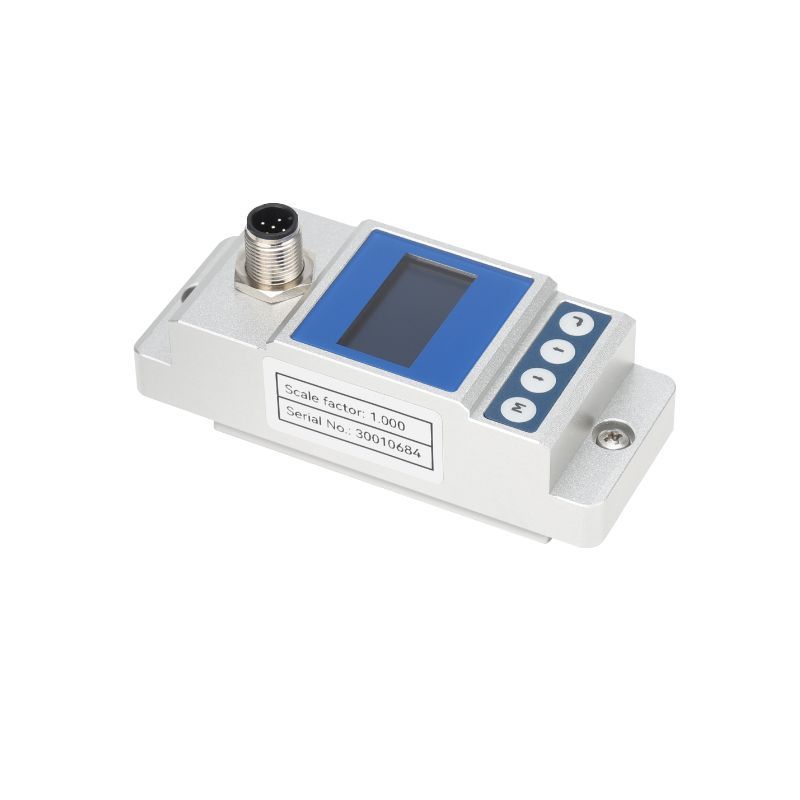
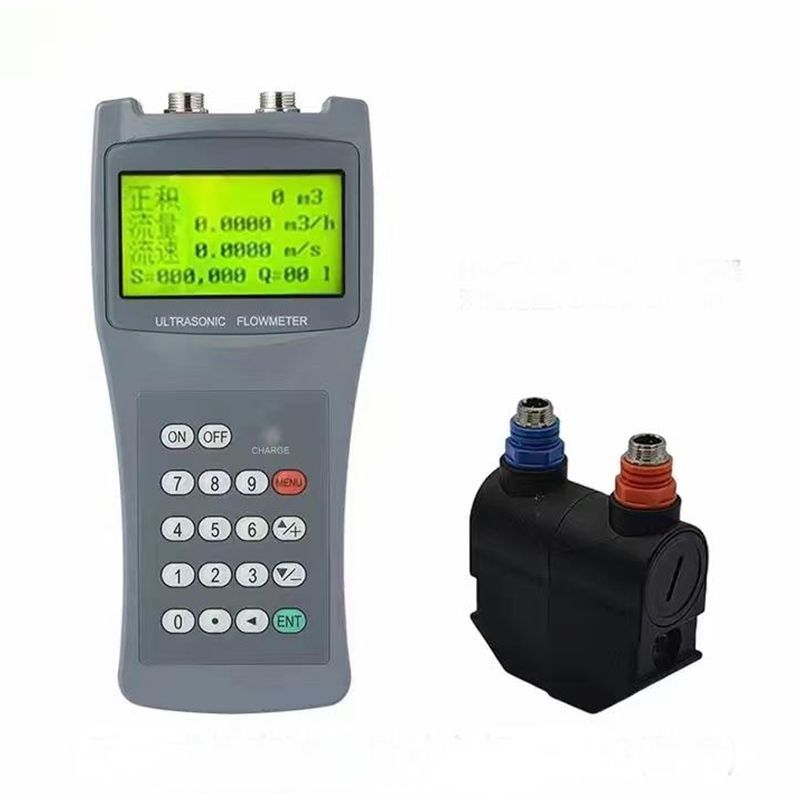
1. **Ultrasonic Flow Meters**: These are less affected by pressure and temperature variations, making them ideal for harsh conditions.
2. **Electromagnetic Flow Meters**: Suitable for conductive fluids, these meters can handle a range of harsh environments.
3. **Vortex and Orifice Meters**: Also reliable, they have specific applications based on fluid characteristics.
Ultrasonic Flow Meters
These devices use sound waves to determine the flow rate of fluids, providing high accuracy and reliability.
Case Study Comparison
| Technology | Accuracy Rate | Maintenance Needs |
|---|---|---|
| Ultrasonic | ± 0.5% | Low |
| Electromagnetic | ± 0.2% | Medium |
| Vortex | ± 1.0% | High |
4. Case Studies of Successful Implementation
Examining real-world applications helps illustrate the effectiveness of various solutions.
1. **Oil and Gas Industry**: A leading oil company improved measurement accuracy by 40% through the application of ultrasonic meters in their pipelines.
2. **Chemical Manufacturing**: A major chemical manufacturer reported a 30% reduction in maintenance costs after switching to corrosion-resistant materials in flow meters.
3. **Water Treatment Facilities**: Implementing advanced signal conditioning reduced the error margin by 15%, resulting in increased data reliability.
Oil and Gas Case Study
By utilizing ultrasonic flow meters, this company streamlined operations, leading to significant financial savings.
Chemical Manufacturing Case Study
Switching materials not only improved accuracy but also extended the lifecycle of the equipment installed.
5. Conclusion and Future Trends
Accurate flow measurement in harsh industrial environments is increasingly critical as industries grow and evolve. By understanding the challenges and implementing advanced solutions, businesses can achieve remarkable accuracy.
1. **Investment in Technology**: Companies must consider investing in next-generation measurement technologies for better performance.
2. **Ongoing Training for Staff**: Regular training ensures that staff can effectively manage and maintain advanced flow measurement systems.
3. **Emphasis on Flexibility**: Future systems should adapt quickly to varying conditions, addressing fluctuating industrial needs.
Future of Flow Measurement
Innovations in the field point towards more autonomous, accurate systems that will further reduce the challenges faced by industries.
In conclusion, tackling the challenges of flow measurement requires strategic planning, investment in the right technology, and ongoing training. By embracing modern solutions, industries can ensure accuracy in even the most difficult environments.
Aug. 24, 2026
Aug. 24, 2026
Aug. 24, 2026
Aug. 24, 2026
