Choosing the Right Mounting Position for Radar Flow Meters
Jul. 24, 2026
Selecting the optimal mounting position for radar flow meters is critical in achieving accurate measurements and reliable performance in various industrial applications. Many users struggle with inconsistencies in flow data due to incorrect installation, leading to incorrect readings and operational inefficiencies. In fact, studies indicate that improper installation can lead to inaccuracies of up to 30% in flow measurement results. Understanding how to select the right position is essential not just for newly installed systems but also for existing setups requiring calibration. Here, we provide practical solutions tailored to different operational scenarios, ensuring improved accuracy and enhanced efficiency.
Understanding the Importance of Mounting Position
Radar flow meters utilize microwave radar technology to provide non-contact measurements of fluid flow. However, improper mounting can interfere with signal transmission, leading to flow measurement errors. Correct positioning is vital for minimizing disturbances such as turbulence, obstructions, and false echoes, allowing for optimal operation. An optimal position promotes accurate readings, minimizes maintenance costs, and enhances overall system reliability.
Key Factors to Consider for Radar Flow Meter Installation
1. Avoiding Obstruction
Why: Obstructions can lead to erroneous readings, sometimes skewing the data by up to 25%.
Operation Method: Ensure that the area around the radar meter is free from structural elements such as piping, valves, or equipment that could reflect radar waves. A clear line of sight improves measurement accuracy.
Suitable Scenario: Ideal for environments with multiple pipes or valves to ensure clear signal transmission.
2. Optimal Height Installation
Why: Installing at the correct height minimizes potential issues with turbulent flow.
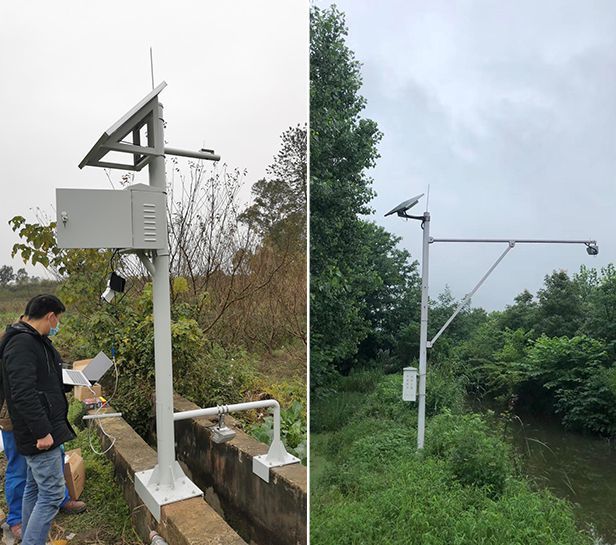
Operation Method: The radar sensor should be mounted at least 3-5 times the diameter of the pipe above the highest expected liquid level.
Suitable Scenario: Essential for large tanks or pipes, ensuring the radar waves are not affected by surface movement.
3. Aligning with Flow Direction
Why: Proper alignment can decrease measurement errors significantly, reducing potential discrepancies by nearly 15%.
Operation Method: Position the radar flow meter directly inline with the direction of flow to ensure accurate readings.
Suitable Scenario: Particularly beneficial in horizontal pipelines.”
4. Considering Temperature and Pressure Variations
Why: Environmental factors can influence radar signal, potentially leading to measurement inaccuracies.
Operation Method: Choose a mounting location where local temperature and pressure are stable and easy to monitor.
Suitable Scenario: Ideal for environments where temperature and pressure fluctuate frequently, such as chemical processing plants.
5. Monitoring Specific Gravity
Why: Different media can alter radar wave propagation, leading to inaccuracies.
Operation Method: Consider the specific gravity of the fluid when installing to calibrate accordingly.
Suitable Scenario: Especially important in applications involving liquids with varying densities.
Summarizing Key Points
Choosing the right mounting position for radar flow meters is paramount to ensure accuracy and reduce operational errors. Key factors include avoiding obstructions, ensuring optimal height and alignment, considering environmental variations, and accounting for specific gravity. By following these guidelines, users can enhance the performance of flow meters and reduce costly recalibration and maintenance.
FAQ
1. What is the ideal height for installing a radar flow meter?
The radar flow meter should be installed at least 3-5 times the diameter of the pipe above the highest expected liquid level to minimize turbulence.
2. Can environmental factors affect the performance of a radar flow meter?
Yes, factors like temperature and pressure can influence radar signal propagation, so it’s essential to consider stable environmental conditions during installation.
3. How can I ensure accurate readings in a system with multiple pipes?
Maintain a clear line of sight for the radar waves and avoid any obstructions within the measurement zone to improve accuracy.
4. Where can I find high-quality radar flow meters?
Brands like Gallopsensor offer a range of reliable radar flow meters suitable for various industrial applications.
For detailed specifications and installation guides, you can refer to the product documentation available on the Gallopsensor website.
Aug. 24, 2026
Aug. 24, 2026
Aug. 24, 2026
Aug. 24, 2026
