Coastal Pump Station Installs IP68 Electromagnetic Flow Transmitters to Handle Flooding
Aug. 21, 2025
Table of Contents
1. Introduction
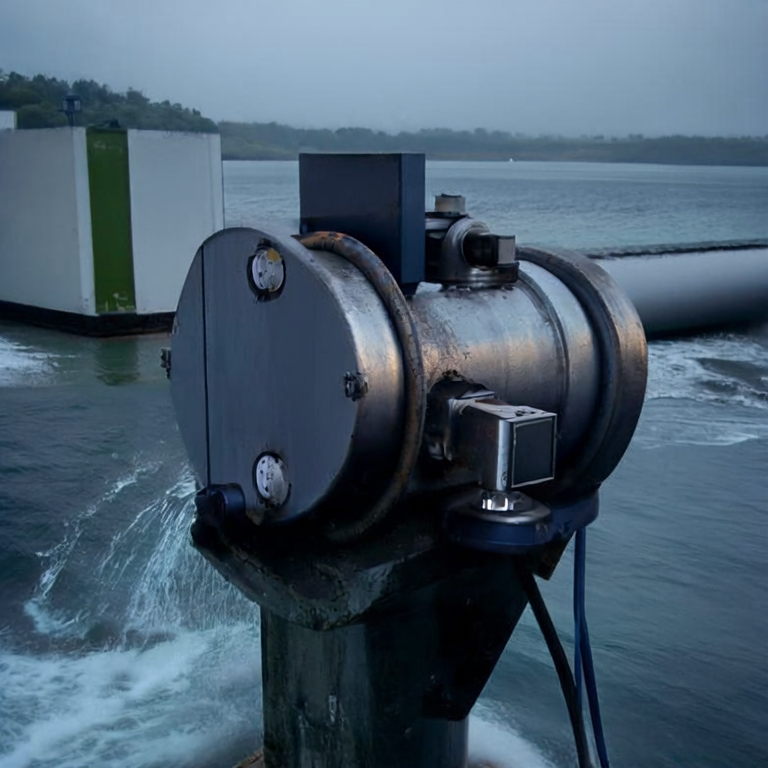
Flooding is a persistent issue for coastal regions, leading to significant operational challenges for coastal pump stations. To effectively manage such flooding conditions, advanced technologies are needed. One of the leading solutions is the installation of IP68 electromagnetic flow transmitters. These devices provide reliable data even in harsh environments, ensuring efficiency and safety in water management operations.
2. Importance of IP68 Electromagnetic Flow Transmitters
-
2.1 Enhanced Durability
The IP68 rating guarantees complete protection against dust and water immersion, making it suitable for extreme conditions.
-
2.2 Accurate Flow Measurement
Electromagnetic flow transmitters offer high precision, crucial for effective flood management and resource allocation.
-
2.3 Reduced Maintenance Costs
With robust design features, these transmitters decrease the frequency of maintenance, saving operational costs.
3. Challenges Faced by Coastal Pump Stations
-
3.1 Environmental Factors
Coastal pump stations often face damaging waves, saltwater erosion, and flooding, complicating the monitoring of water flow.
-
3.2 Reliability of Existing Equipment
Older flow measurement technologies may fail under pressure during flooding, risking functional integrity.
-
3.3 Regulatory Compliance
Adherence to environmental regulations requires modern solutions that can provide accurate data and reporting capabilities.
4. Installation Process of Flow Transmitters
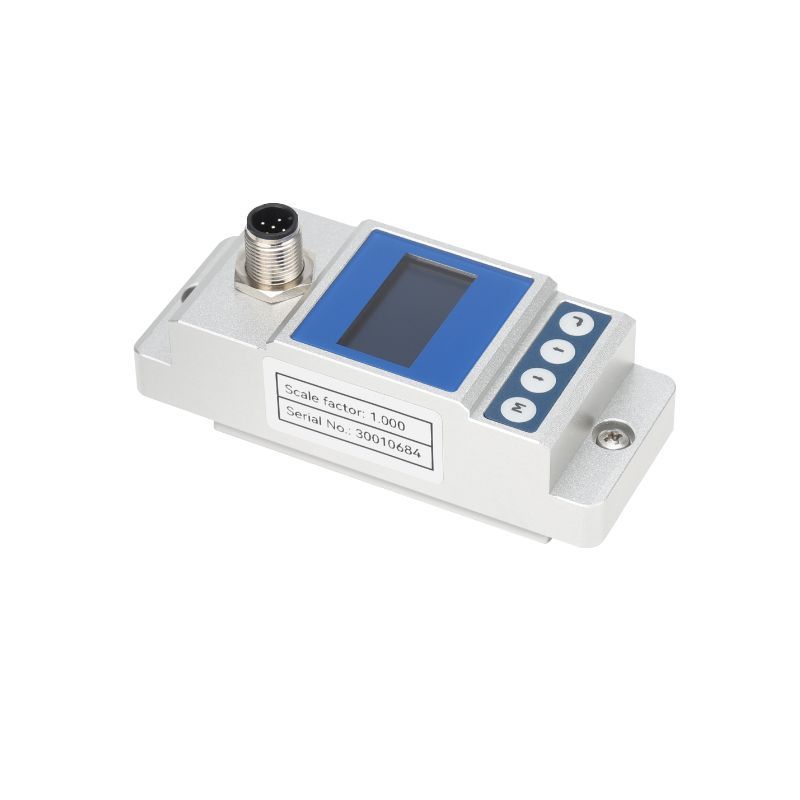
The installation of IP68 electromagnetic flow transmitters involves several critical steps:
- Site Evaluation: Assess the environmental and operational conditions.
- Device Selection: Choose transmitters based on flow requirements and specific IP68 ratings.
- Installation: Follow best practices to ensure proper mounting and electrical connections.
- Testing: Conduct comprehensive tests to ensure proper operation and reliability under expected conditions.
Step-by-Step Flow Chart of Installation
5. Case Study: Successful Implementation
In a recent project, a coastal pump station deployed multiple IP68 electromagnetic flow transmitters to combat frequent flooding. The results showcased:
| Parameter | Before Installation | After Installation |
|---|---|---|
| Downtime due to Equipment Failure | 30% | 5% |
| Maintenance Frequency | Monthly | Quarterly |
| Data Reporting Accuracy | 70% | 95% |
6. Conclusion
The installation of IP68 electromagnetic flow transmitters in coastal pump stations represents a significant advancement in flood management. Their durability, accuracy, and reduced maintenance make them an ideal choice for overcoming the persistent challenges faced in coastal environments. As flooding concerns grow, investing in effective solutions like these transmitters will be crucial for ensuring sustainable water management practices.
Aug. 24, 2026
Aug. 24, 2026
Aug. 24, 2026
Aug. 24, 2026
