Comparing 24VDC, 220VAC, and Battery-Powered Ultrasonic Flow Meters
Mar. 24, 2026
Understanding Ultrasonic Open Channel Flow Meters
What is an Ultrasonic Flow Meter?
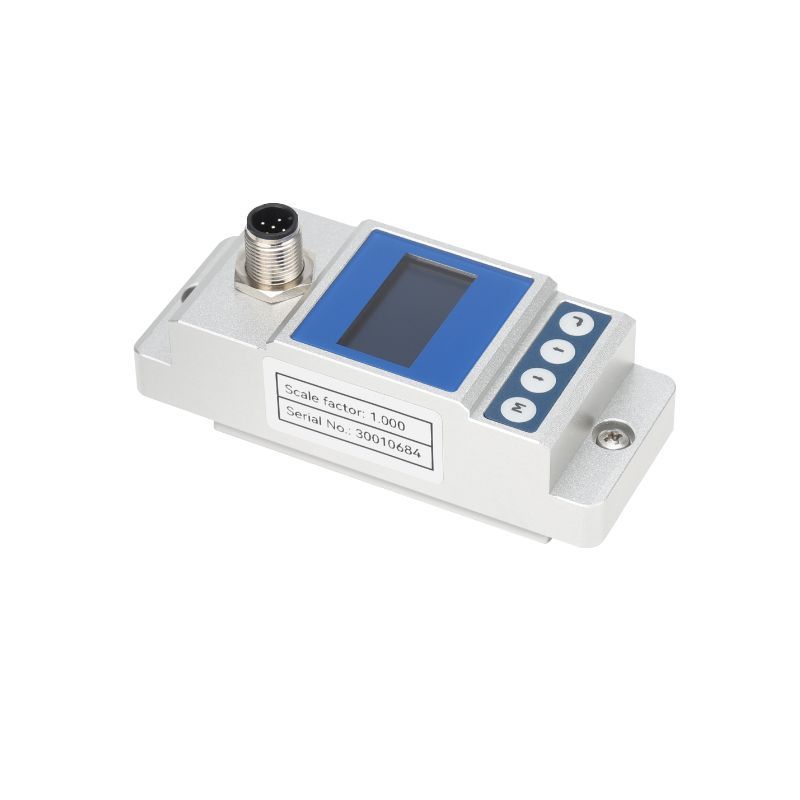
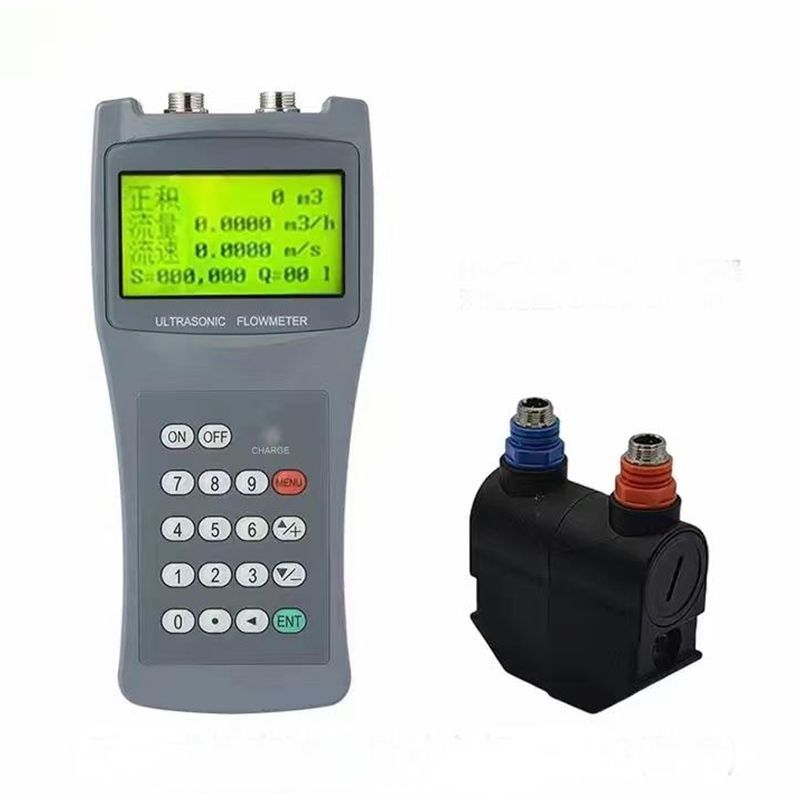
Ultrasonic flow meters utilize sound waves to measure the flow rate of liquids and gases. They are commonly used in various industrial applications due to their accuracy and reliability.
Importance of Type Selection
Choosing the right type of ultrasonic flow meter is crucial based on application, power availability, and required accuracy. This article compares 24VDC, 220VAC, and battery-powered models to help you make an informed decision.
Core Parameter Comparison of Flow Meters
Key Specifications for Evaluation
Below is a core parameter table summarizing the main specifications for each type of ultrasonic flow meter, including working voltage, flow range, and application suitability.
| Type | Working Voltage | Flow Range | Typical Applications |
|---|---|---|---|
| 24VDC | 24V | 0.1 - 10,000 L/min | Industrial processes, closed systems |
| 220VAC | 220V | 1 - 10,000 L/min | Municipal water supply, large-scale applications |
| Battery-Powered | Battery | 0.5 - 5,000 L/min | Remote areas, portable applications |
Real-World User Experience and Performance
Battery Life and Stability
User feedback indicates that battery-powered ultrasonic flow meters typically offer around 6-12 months of battery life depending on usage. However, stability can vary based on environmental factors, which can affect measurement accuracy.
Performance in Different Conditions
24VDC and 220VAC meters tend to perform better in stable environments but require a constant power source, making them less adaptable than battery-powered options. Battery-powered meters excel in portability but may face challenges in long-term reliability.
Advantages and Disadvantages of Each Type
Pros and Cons at a Glance
The following lists the advantages and disadvantages of each type of ultrasonic flow meter:
- 24VDC:
- Advantages:
- Consistent performance in industrial settings.
- Easier integration with existing electrical systems.
- Disadvantages:
- Requires constant power, limiting portability.
- Advantages:
- 220VAC:
- Advantages:
- High-capacity flow measurement capabilities.
- Robust for large-scale municipal applications.
- Disadvantages:
- Less suitable for temporary or remote installations.
- Advantages:
- Battery-Powered:
- Advantages:
- Highly portable and ideal for field use.
- Operational in areas without power supply.
- Disadvantages:
- Limited battery life may necessitate frequent replacements.
- Performance can be affected in extreme conditions.
- Advantages:
Recommendations for Target Users
Choosing the Right Flow Meter for Your Needs
To assist potential users, here are recommendations based on application type:
- For industrial processes and installations where consistent power is available, opt for 24VDC ultrasonic flow meters.
- For large-scale applications like municipal water systems, the 220VAC ultrasonic flow meter is the optimal choice.
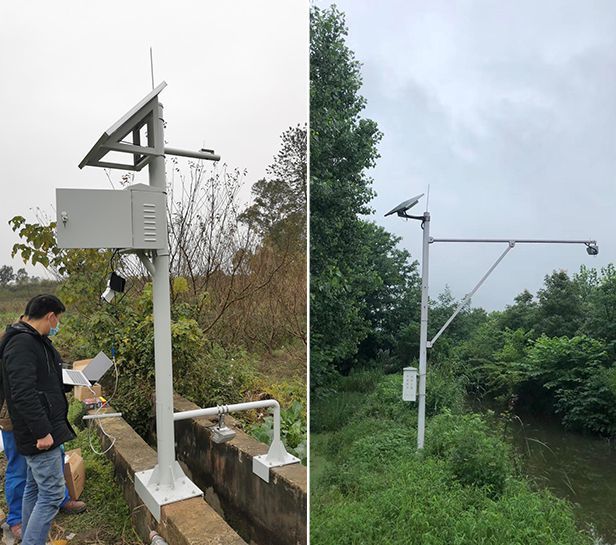
- For temporary or remote installations, battery-powered ultrasonic flow meters provide the required flexibility and mobility.
Conclusion: Making the Best Choice
In conclusion, ultrasonic open channel flow meters have varied applications and benefits based on their power type. Evaluating your requirements against the practical differences of 24VDC, 220VAC, and battery-powered ultrasonic flow meters will ensure you choose the most suitable option for your needs. For reliable measurement solutions, consider gallopsensor to provide you with the best ultrasonic flow meters tailored to your specific applications. 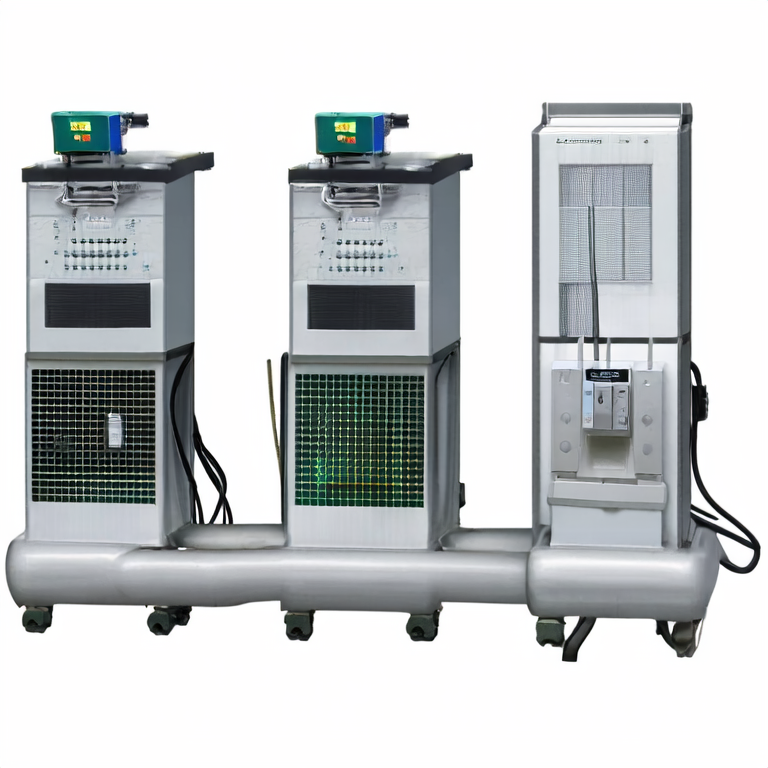
Aug. 24, 2026
Aug. 24, 2026
Aug. 24, 2026
Aug. 24, 2026
