Future of Digital Water Management: Ultrasonic Flow Meters in Smart Cities
Jan. 15, 2026
Introduction
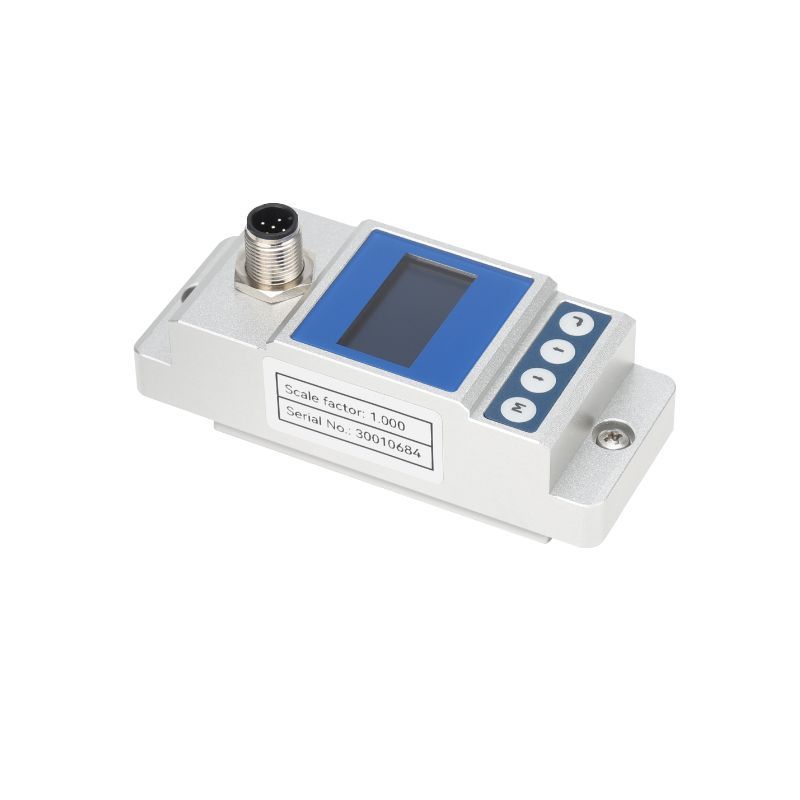
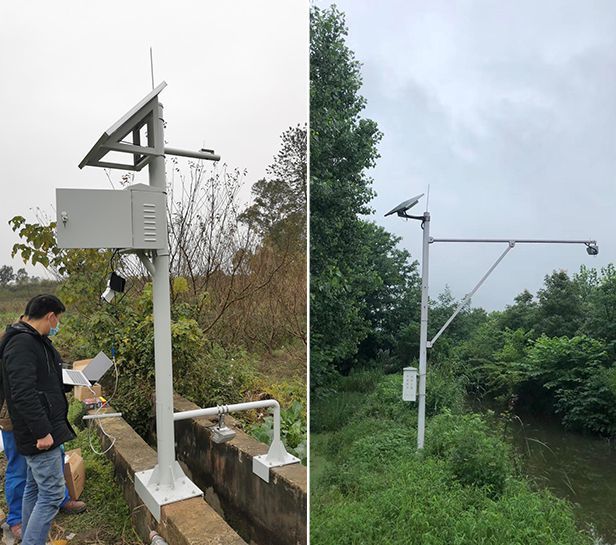
The ultrasonic open channel flow meter is revolutionizing water management in smart cities. Water scarcity and poor management lead to significant challenges. Effective monitoring is crucial for sustainable urban development. In this digital age, innovative solutions are essential to enhance resource management. Ultrasonic flow meters provide accurate measurements and support smart infrastructure.

Summary Answer
Ultrasonic flow meters allow for precise measurement of water flow in open channels, making them crucial for modern smart city management.
1. Benefits of Ultrasonic Flow Meters
1.1 Accurate Measurements
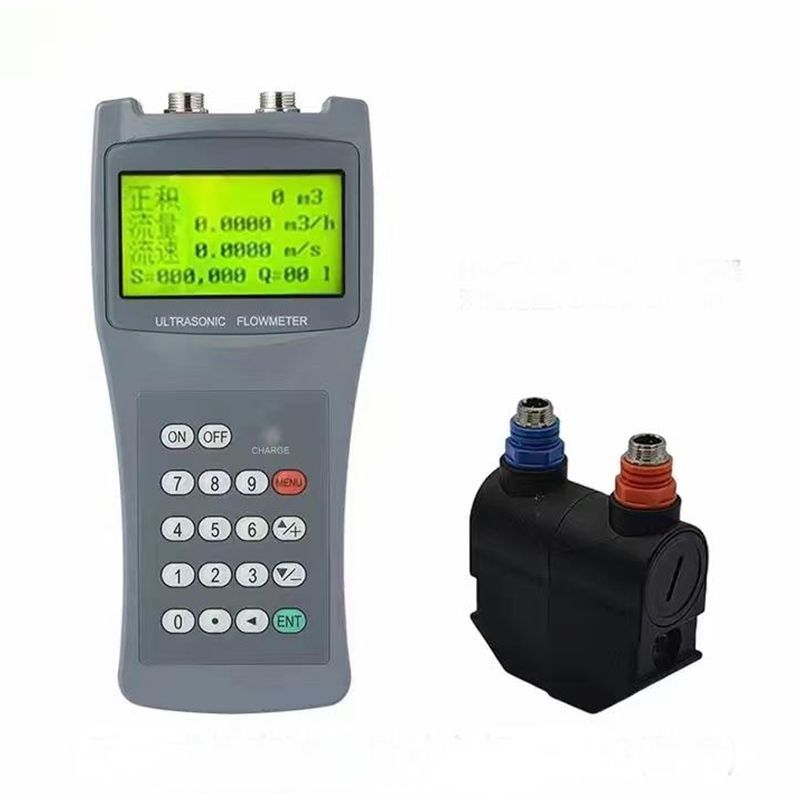
Ultrasonic flow meters use sound waves to determine flow rates. This technology offers high accuracy, minimizing errors in calculations.
1.2 Cost-Effective Solutions
Compared to other flow measurement methods, ultrasonic flow meters require less maintenance and provide long-term savings for cities.
1.3 Real-Time Data
These meters provide instantaneous data, enabling quick decisions in managing water resources. This feature helps cities respond to leaks or blockages effectively.
1.4 Environmental Impact
By ensuring accurate water usage monitoring, ultrasonic flow meters contribute to reducing waste, aiding environmental sustainability.
1.5 Integration with Smart Systems
Ultrasonic flow meters easily integrate with smart city systems, allowing for remote monitoring and data analysis. This feature streamlines operations and enhances management efficiency.
2. How Ultrasonic Flow Meters Work
The technology behind ultrasonic flow meters is fascinating. Here's a step-by-step flow chart explaining the process:
| Step | Description |
|---|---|
| 1 | The meter emits ultrasonic pulses into the flowing water. |
| 2 | The pulses travel downstream and reflect back to the meter. |
| 3 | The meter calculates the flow rate based on the time difference between sending and receiving the pulses. |
| 4 | Finally, the data is displayed or sent digitally for analysis. |
3. Implementation in Smart Cities
3.1 Case Studies
Many cities worldwide have adopted ultrasonic flow meters. For instance, a pilot project in Singapore reduced water waste by 30% using these meters. Cities can benefit similarly by installing ultrasonic meters across their water management systems.
3.2 Challenges and Solutions
While effective, implementation can pose challenges such as initial costs or technical training. However, many manufacturers offer support and training programs to assist cities in overcoming these obstacles.
Conclusion
In summary, the ultrasonic open channel flow meter is a vital component in the future of digital water management for smart cities. By providing accurate data and cost-effective solutions, these meters support sustainable practices. As urban areas continue to grow, the importance of these technologies will only increase.
FAQ
What is an ultrasonic flow meter?
An ultrasonic flow meter measures the flow of liquids using sound waves, providing accurate data for water management.
How does it benefit smart cities?
It enhances water resource management, reduces waste, and integrates easily into smart systems for more efficient monitoring.
Are ultrasonic flow meters expensive?
While the initial cost may be higher than traditional meters, the long-term savings on maintenance and water loss make them cost-effective.
Can they operate in all conditions?
Ultrasonic flow meters function effectively in various conditions, including varying temperatures and fluid types.
Is training required to use them?
Some training may be necessary, but many manufacturers provide guidance and support for effective implementation.
What is the future of flow measurement technology?
As technology advances, we can expect even more accurate, efficient, and integrated flow measurement solutions for water management.
Aug. 24, 2026
Aug. 24, 2026
Aug. 24, 2026
Aug. 24, 2026
