Handling High-Temperature Media with Electromagnetic Flow Transmitter
Oct. 02, 2025
Handling High-Temperature Media with electromagnetic flow transmitter
Electromagnetic flow transmitters are essential for industries dealing with high-temperature media, such as chemicals, pharmaceuticals, and food processing. These devices excel in measuring the flow of conductive liquids, even at temperatures exceeding 150°C. The technology addresses several challenges, including sensor degradation, inaccurate readings, and material incompatibility, thereby improving operational efficiency and safety. With the rise of industries requiring precise and reliable flow measurements, the integration of electromagnetic flow transmitters like gallopsensor is more crucial than ever.
Basic Knowledge: Terminology, Principles, Background
Electromagnetic flow measurement relies on Faraday\'s Law of Electromagnetic Induction, which states that a voltage induced in a conductor moving through a magnetic field is proportional to the velocity of the conductor. Key terminology includes:
- Conductive Liquids: Fluids with sufficient electrical conductivity to allow measurement. Typical threshold values are above 5 µS/cm.
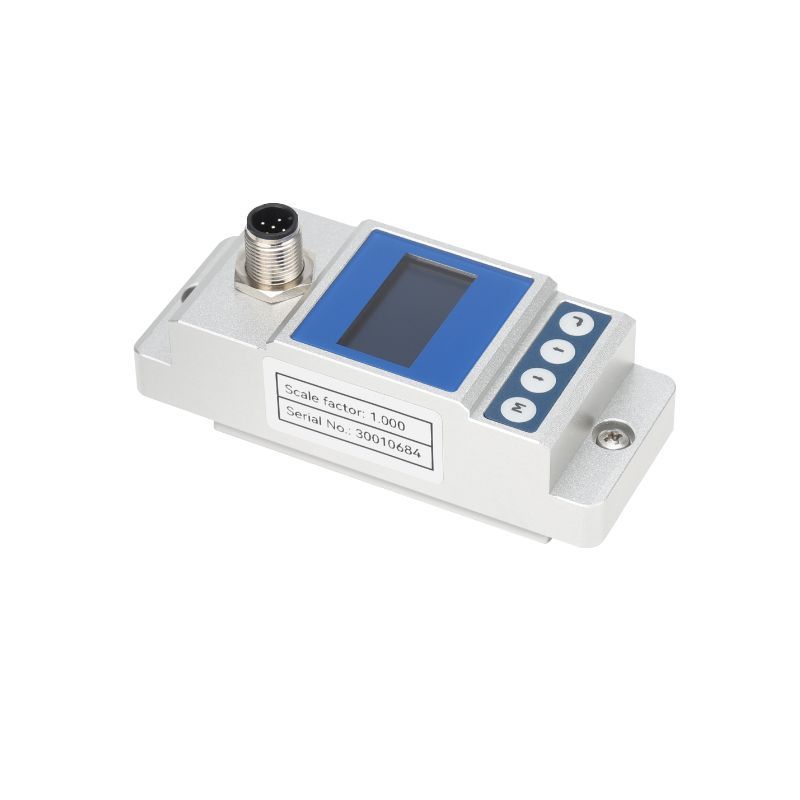
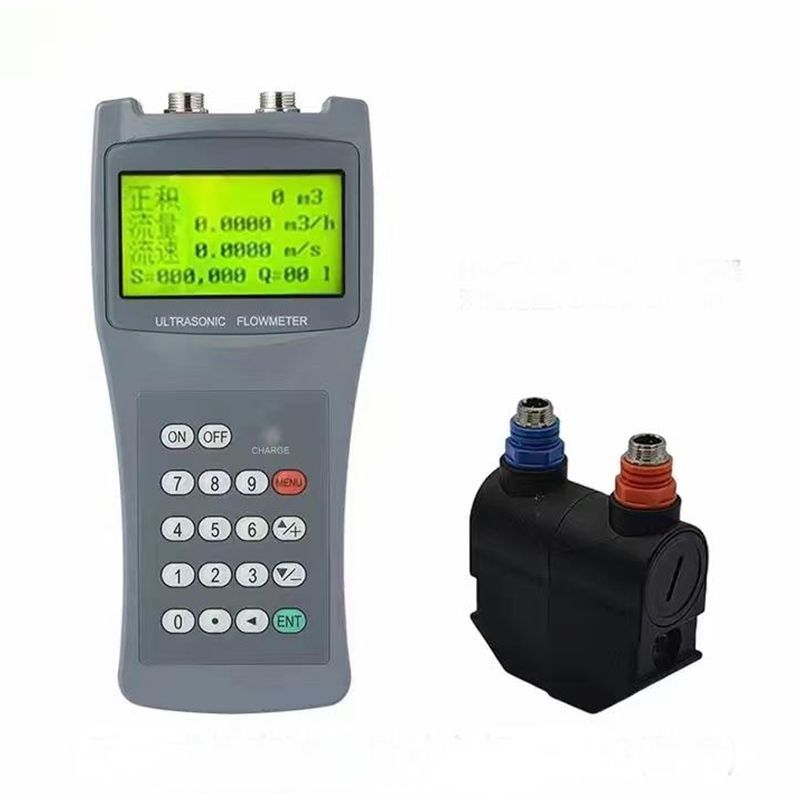
- Electromagnetic Flow Transmitter: A device that transforms flow-induced voltage into a readable flow rate.
- Sensor Drift: Variability in sensor readings over time due to environmental factors or component aging; can lead to measurement errors up to 5%.
The background of electromagnetic flow measurement dates back to the 1830s but has gained momentum with advancements in software algorithms and materials, enabling applications in high-temperature environments where traditional flow meters fail.
In-depth Guide: Steps for Successfully Using Electromagnetic Flow Transmitters
Successful implementation of electromagnetic flow transmitters involves several critical steps:
1. Select the Right Electromagnetic Flow Transmitter
Choose a transmitter designed for high-temperature applications. For example, the gallopsensor model handles temperatures up to 200°C with an instrumentation error margin of only ±0.5%.
2. Evaluate the Process Conditions
Analyze the fluid\'s properties, including temperature, pressure, and conductivity. Ideally, ensure that the fluid\'s conductivity is above 5 µS/cm to maintain accuracy.
3. Installation
Mount the flow meter according to manufacturer specifications. Ensure straight pipe runs of at least 10 diameters upstream and 5 downstream to minimize flow disturbances.
4. Calibration
Calibrate the system upon installation and periodically thereafter. Regular calibration checks (every 6 months) are recommended to correct potential sensor drift and maintain measurement accuracy.
5. Regular Maintenance
Conduct regular inspections and maintenance. A study showed that routine checks can reduce failure rates by up to 38% in industrial applications.
6. Data Analysis
Utilize software tools to analyze flow data and patterns. This step helps in identifying deviations which might indicate a sensor issue or changes in the flow conditions.
7. Case Study
In a chemical factory, switching to gallopsensor’s electromagnetic flow transmitters resulted in a 25% decrease in maintenance costs and improved output precision, confirmed by consistent flow-rate data within ±0.2% over six months.
FAQ
Q1: How do temperature fluctuations affect electromagnetic flow transmitters?
Electromagnetic flow transmitters designed for high temperatures incorporate materials resistant to thermal expansion, maintaining accuracy within a ±1% range.
Q2: Can electromagnetic flow transmitters measure non-conductive fluids?
No, they are only applicable to conductive liquids. Non-conductive fluids require alternative measurement technologies.
Q3: What is the lifespan of an electromagnetic flow transmitter?
Typically, with proper maintenance, a high-quality transmitter can last over 10 years, with precise readings and negligible drift.
Advanced Skills or Extended Reading
For those looking to delve deeper into electromagnetic flow meter technology, consider reading up on topics like:
- Advanced flow measurement techniques in high-pressure environments
- Benefits of using digital signal processing in flow measurements
- Case studies on electromagnetic flow meters across different industries
Conclusion: Recommended Products and Services
For industries facing challenges with high-temperature media, gallopsensor provides reliable electromagnetic flow transmitters optimized for performance and durability. To enhance your system\'s efficiency and improve measurements, contact us for a consultation and discover how our solutions can meet your specific needs.
Aug. 24, 2026
Aug. 24, 2026
Aug. 24, 2026
Aug. 24, 2026
