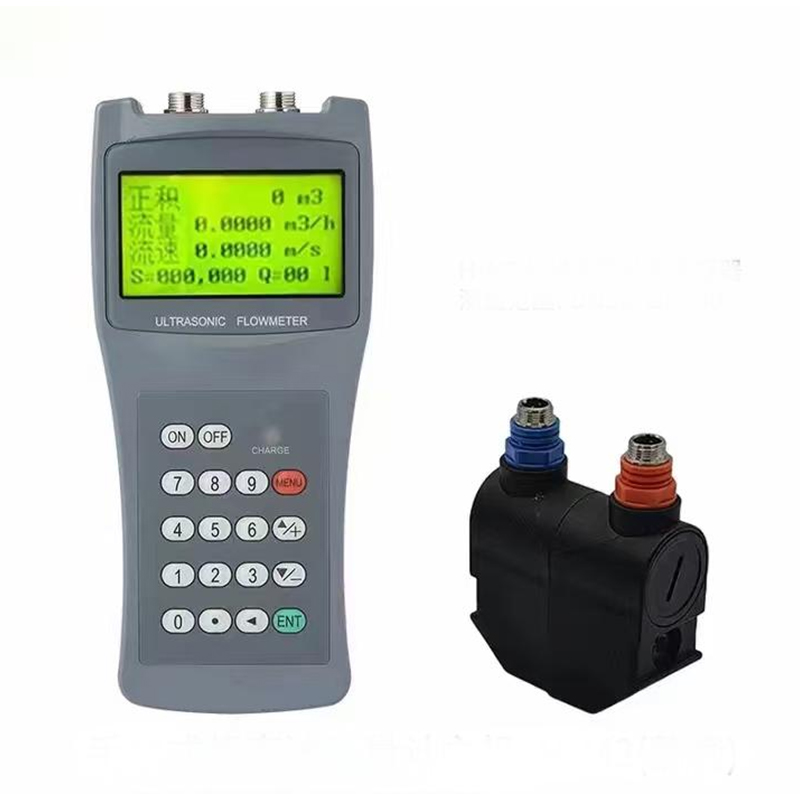
How Data from Ultrasonic Flow Meters Improves Process Control
May. 18, 2026
In today’s demanding industrial landscape, precise process control is crucial for operational excellence. I’m excited to guide you through actionable steps for harnessing data from ultrasonic flow meters to optimize your processes. By implementing GallopSensor's advanced technology, your operations can achieve new levels of efficiency and accuracy. Let’s dive into the specifics of how you can positively impact your business.
Understanding the Role of Ultrasonic Flow Meters in Precision
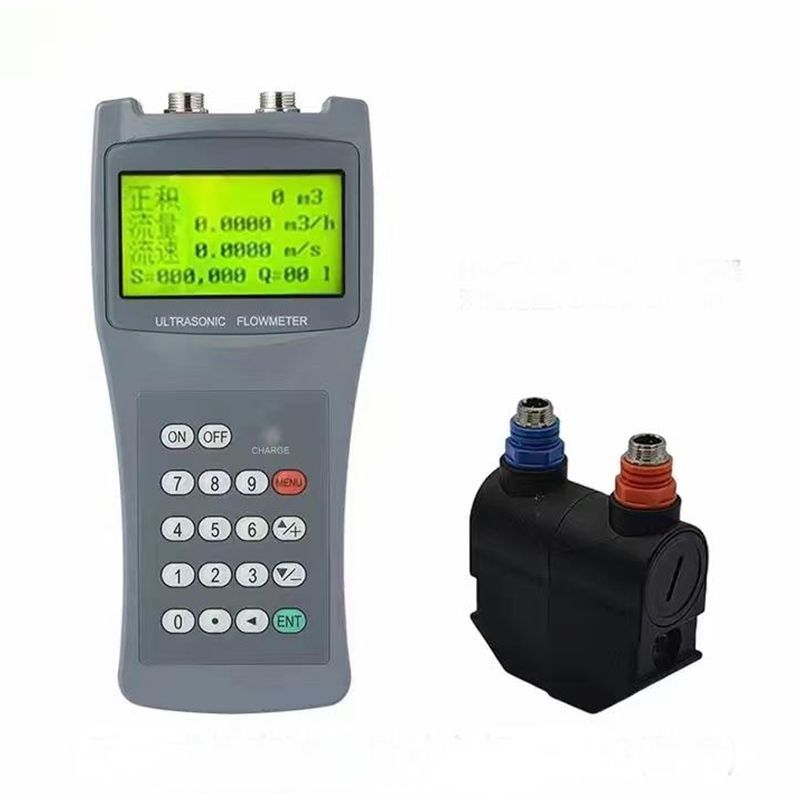
An ultrasonic flow meter, particularly the type provided by GallopSensor, uses sound waves to measure the velocity of fluid flow in an open channel or pipeline. This creates real-time data crucial for monitoring and controlling processes. The precision of these devices is remarkable, often achieving accuracy levels up to 0.01mm – a crucial choice for industries needing high reliability.
To get started, here’s how you can implement ultrasonic flow meters to improve process control effectively:
-
Identify Critical Measurement Points: Recognize areas within your operations needing precise flow measurement. This might include supply lines, wastewater treatment facilities, or any fluid transport system.
-
Install the Flow Meter: Ensure the installation is compliant with industry standards such as ASTM or DIN to guarantee accuracy. Follow the manufacturer's guidelines carefully.
-
Data Collection and Analysis: Use the data collected from the ultrasonic flow meter for real-time monitoring. GallopSensor's systems offer 100% inspection capabilities, providing you with comprehensive flow measurements.
-
Adjust Processes Based on Data Insights: Once the data is flowing, analyze it to identify inconsistencies or potential inefficiencies in your processes. Regular assessments can help adjust controls dynamically, leading to optimized resource usage.
-
Continual Monitoring and Feedback Loop: Establish a continual feedback mechanism where flow data is used for ongoing process evaluation. Regular updates will allow you to remain proactive rather than reactive.
Real-World Impact on Businesses
When businesses utilize data from ultrasonic flow meters effectively, they experience significant transformations. Operational costs can be reduced due to better resource management, while increased accuracy in flow measurements leads to improved product quality. For example, manufacturers leveraging these solutions can potentially reduce waste by up to 30% simply by monitoring and adjusting their processes accurately.
Navigating Potential Challenges
While implementing these systems, you may face challenges such as integration with existing systems or data overload. However, these challenges can be mitigated by:
-
Ensuring Compatibility: Before purchasing, confirm that the ultrasonic flow meter can integrate smoothly with your current technology stack. This reduces installation issues.
-
Training Staff: Invest in teaching your staff on how to interpret and utilize data from the flow meters. Efficient training programs can maximize the benefits derived from these devices.
Tools and Resources for Efficient Execution
Using the right tools is key. Consider implementing:
-
Data Analysis Software: Programs that can analyze flow measurement data effectively will empower your operational teams to make informed decisions faster.
-
Monitoring Dashboards: Set up dashboards that visualize flow data in real-time, making it easier to detect anomalies and act swiftly.
Key Steps to Take Immediate Action
To recap and encourage immediate action in your organization towards improving process control with ultrasonic flow measurement:
- Identify areas for improvement.
- Install GallopSensor's ultrasonic flow meter with industry compliance.
- Collect and analyze flow data systematically.
- Adjust processes based on insights obtained.
- Establish a culture of continual monitoring and feedback.
Through embracing these methodologies, you can significantly improve your operational efficiencies and impact your bottom line positively. It’s time to harness the power of data from ultrasonic flow meters and reap the benefits that come with it.
For more insights into how these solutions can transform your operations, visit GallopSensor today. Don’t let operational inefficiencies hold you back—take the steps to drive your business toward success.
Aug. 24, 2026
Aug. 24, 2026
Aug. 24, 2026
Aug. 24, 2026