How RS485 and 4-20mA Outputs Enhance Open Channel Flow Monitoring
Mar. 30, 2026
Understanding the Problems with Flow Measurement and Open Channel Flow Monitoring
Flow measurement is critical in various industries, including water treatment, agriculture, and manufacturing. Users often face challenges like inaccurate readings and delayed response times when monitoring open channel flow. These problems can result in operational inefficiencies, increased costs, and regulatory non-compliance. A common scenario involves wastewater treatment facilities struggling with inconsistent flow data, leading to fines and environmental risks. By integrating RS485 and 4-20mA outputs in flow monitoring systems, users can significantly enhance their operational reliability and data accuracy.
Preparing for Enhanced Open Channel Flow Monitoring
To effectively utilize RS485 and 4-20mA outputs for monitoring open channel flow, you will need specific materials and tools:
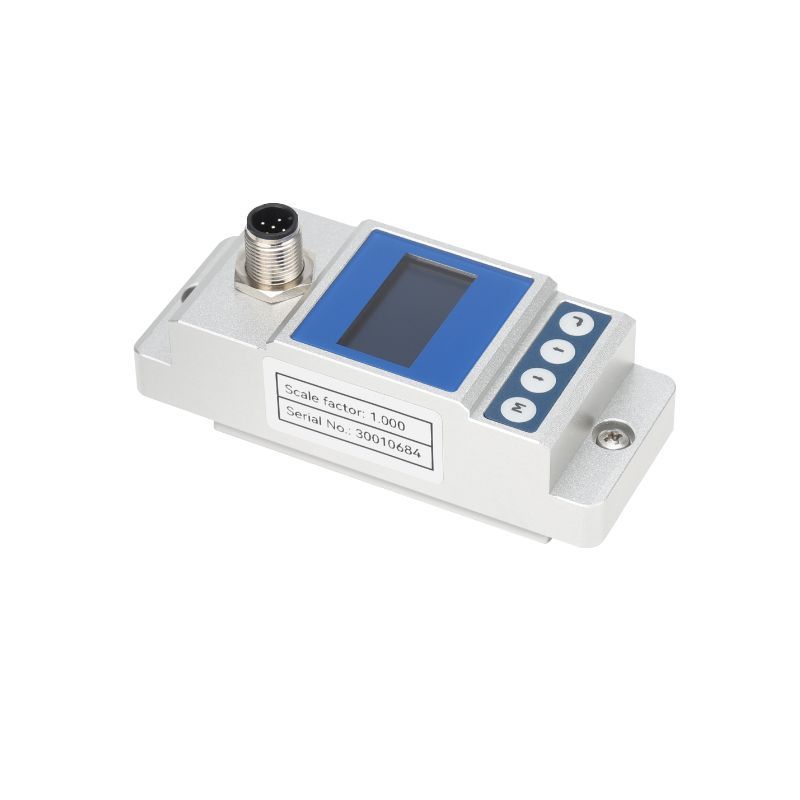
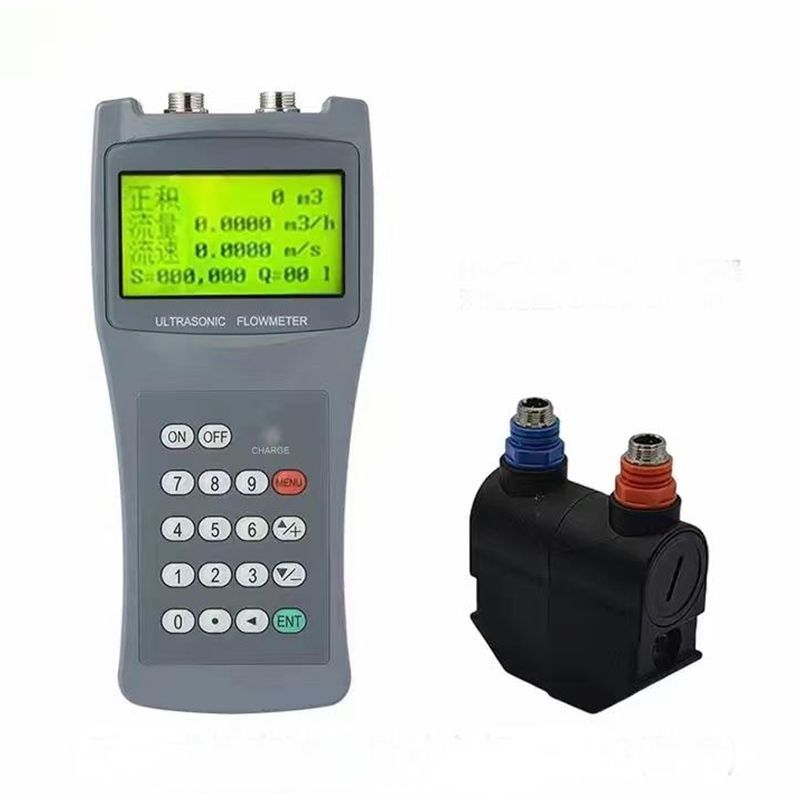
- ultrasonic open channel flow meter: Consider a reliable brand such as gallopsensor, which provides accurate flow measurement data.
- RS485 Communication Cable: Standardized for reliable data transmission over long distances.
- 4-20mA Signal Converters: Essential for converting flow meter signals into a standardized format for monitoring systems.
- Data Logger: To effectively record flow measurements over time.
Step-by-Step Guidance for Implementing RS485 and 4-20mA Outputs
- Choose the Right Ultrasonic Flow Meter: Select a model from gallopsensor that’s suited for your channel size, usually capable of measuring flows with an accuracy of ±2%. For instance, a device that can operate in flow rates from 0.1 to 20 m/s would be appropriate for various applications.
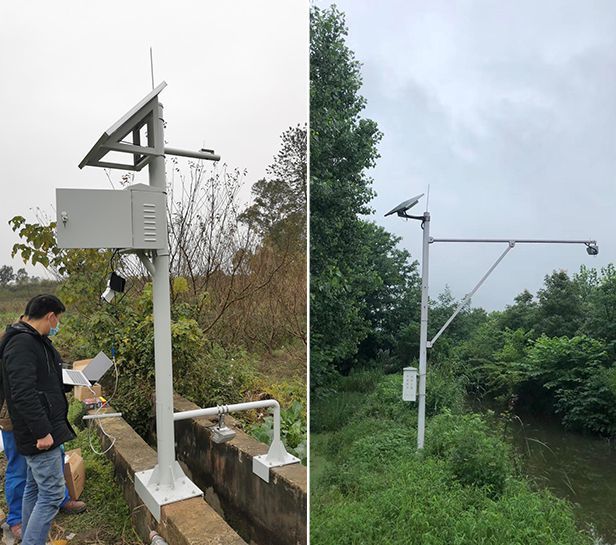
- Install the Flow Meter: Position the ultrasonic flow meter at a carefully selected point in the channel. Follow manufacturer guidelines for installation to ensure accurate measurements. Here’s a standard reference image: Installation Guide.
- Wiring the RS485 Output: Connect the RS485 communication cable from the flow meter to the data logger or monitoring system, ensuring that you adhere to the pin configuration specifications provided in the flow meter’s manual.
- Setting Up the 4-20mA Configuration: Use the 4-20mA output for analog signaling; configure your data logger accordingly to interpret this signal effectively. This setup allows the system to relay flow measurements as a continuous current, improving response times.
- Calibrate the System: Once installed, conduct calibration using known flow rates to ensure the meter provides accurate readings, which can help optimize plant operations significantly.
- Monitor and Analyze Data: Utilize the data logger to continuously monitor flow rates and collect data over time to assess performance and troubleshoot any irregularities.
Common Errors and Solutions
Users may encounter several common issues when implementing RS485 and 4-20mA outputs:
- Inconsistent Data: Ensure proper calibration and check wiring connections. A loose connection can lead to fluctuating readings.
- Signal Loss: Long runs of RS485 may require repeaters to maintain signal quality; map out cable runs to avoid excessive length without boosts.
- Noise in Analog Signal: Implement twisted pair cables for the 4-20mA signal to minimize electromagnetic interference, which can distort measurements.
Summary and Suggestions
Integrating RS485 and 4-20mA outputs with ultrasonic open channel flow meters can significantly enhance monitoring accuracy in various industrial applications. Adopting proper installation techniques, maintaining equipment, and routinely checking performance will ensure optimal functionality. Users like Tom, a water treatment manager, reported a 50% reduction in flow measurement errors after upgrading their system with Gallopsensor technology. Embrace these advancements to improve efficiency and compliance in your operations.
Frequently Asked Questions
What industries benefit most from RS485 and 4-20mA outputs?
Industries such as water and wastewater treatment, agriculture, chemical manufacturing, and HVAC systems see significant benefits. Accurate data helps them maintain compliance with regulations and optimize processes.
How does RS485 communication compare to traditional methods?
RS485 supports long distances and multiple devices on a single network, improving scalability and reducing installation complexity compared to traditional analog or serial communication methods.
Can I use 4-20mA outputs with existing equipment?
Yes, provided the equipment can accept analog signals. Most modern monitoring systems are compatible with 4-20mA outputs, improving integration without extensive upgrades.
Aug. 24, 2026
Aug. 24, 2026
Aug. 24, 2026
Aug. 24, 2026

