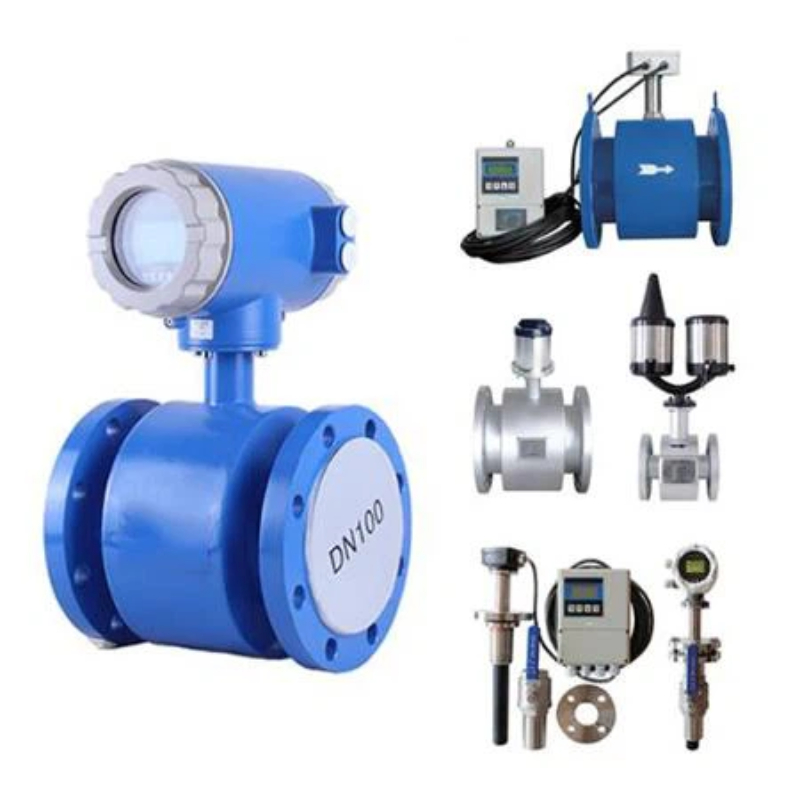
How to Calibrate Ultrasonic Open Channel Flow Meters for Precise Measurement
Apr. 07, 2026
Calibrating ultrasonic open channel flow meters is critical for ensuring precise flow measurement and optimal performance in various applications, from wastewater treatment to industrial processes. In this guide, I will provide clear, actionable steps that will help you calibrate these devices efficiently, empowering your business to achieve reliable results and enhance operational efficiency.
To begin, it’s essential to gather the necessary tools and resources before diving into the calibration process. You will need a flow calibration rig, a precision measuring device (capable of precision to 0.01 mm), and an understanding of your specific flow meter specifications. Having these tools readily available is crucial for ensuring a smooth calibration process.
Step-by-Step Calibration Process
-
Prepare Your Ultrasonic Open Channel Flow Meter
Ensure that the flow meter is clean and free of debris. Review the manufacturer’s specifications on installation parameters to ensure proper alignment. -
Set Up the Calibration Rig
Install the flow calibration rig in a controlled environment, ideally following the standards set by ASTM or DIN. This setup will allow for effective flow simulation. -
Select the Calibration Points
Choose at least five distinct flow levels across the meter’s operational range. Mapping these points helps establish a complete calibration curve. -
Simulate Flow Conditions
Using the calibration rig, adjust the flow to your predetermined calibration points. Allow the flow to stabilize for several moments before taking measurements. -
Record the Measurements
Use a high-precision measuring device to document flow rate at each point. I recommend ensuring that your readings are taken under consistent conditions to avoid discrepancies. -
Compare with Meter Readings
Cross-reference your measured values against those displayed by the ultrasonic open channel flow meter. Identify any discrepancies, as they will indicate adjustments needed for accurate calibration. -
Adjust the Flow Meter
Based on your findings, navigate the user interface of the flow meter to input corrections. Refer to the manufacturer's manual for specific instructions on how to calibrate it effectively. -
Validate Calibration
Once adjustments are made, conduct a secondary test at your selected calibration points to confirm accuracy. The ultimate goal is achieving 100% accuracy in flow measurement.
Addressing Common Challenges
During the calibration process, you may encounter potential challenges such as unstable flow rates or incorrect readings due to environmental factors. Here’s how to overcome these problems:
- Use of Data Logging: Utilize data logging tools to monitor flow stability over time. This can help identify any variables affecting measurements.
- Temperature Fluctuations: Ensure that the flow medium temperature remains consistent, as variations can significantly affect data.
- Regular Maintenance: Follow a routine maintenance schedule for your flow meter and calibration equipment to prevent discrepancies.
Recommended Tools and Resources
To streamline your calibration process further, consider these resources:
- Flow Calibration Rig: Ensure that it is designed for the specific flow measurement range and complies with industry standards.
- Precision Measurement Devices: Look for tools that offer digital readouts to eliminate human error.
- Manufacturer’s Resources: Check the manufacturer, like GallopSensor, for troubleshooting guidelines and assistance.
Conclusion: Key Steps for Immediate Action
In summary, calibrating ultrasonic open channel flow meters involves preparing your equipment, setting up a calibration rig, simulating flow conditions, and accurately recording and adjusting measurements. By following these steps, you can significantly improve the precision of your flow measurements, addressing pivotal challenges faced by many operators in the field.
Ready to get started? Head to GallopSensor for more resources on ultrasonic open channel flow meters and take control of your calibration process today!
Aug. 24, 2026
Aug. 24, 2026
Aug. 24, 2026
Aug. 24, 2026