How to Integrate Ultrasonic Flow Meters with IoT Platforms
May. 11, 2026
Understanding Ultrasonic Flow Meters
What are Ultrasonic Flow Meters?
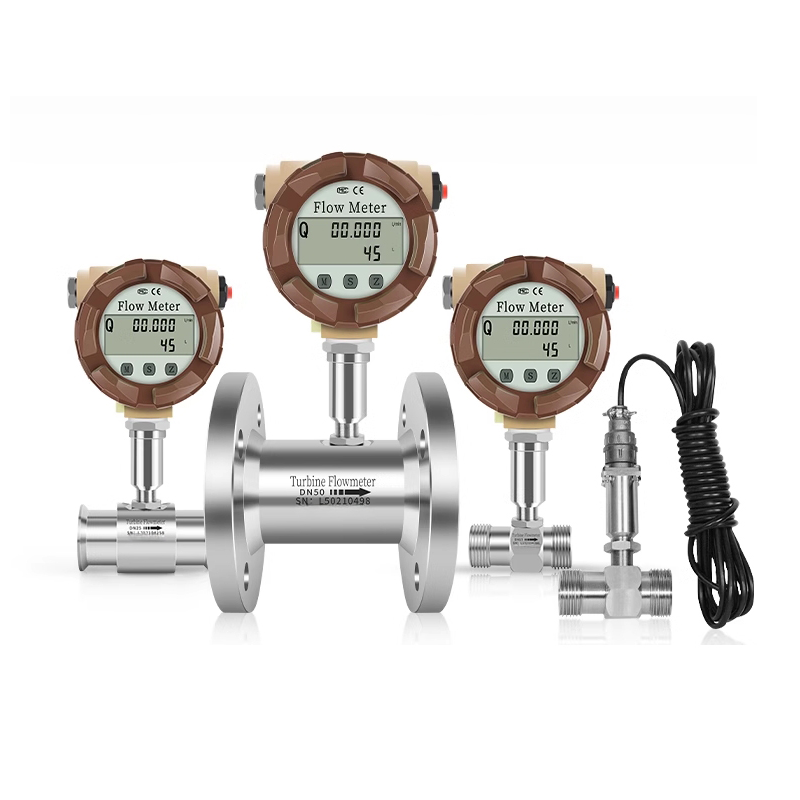
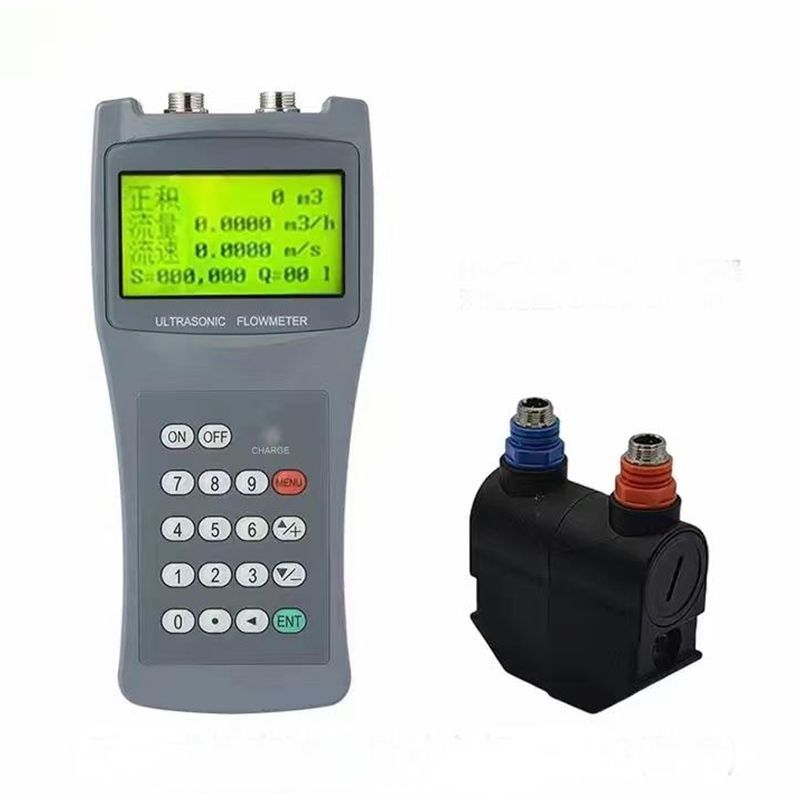
Ultrasonic flow meters are instruments used to measure the flow rate of liquids or gases by using ultrasonic waves. They provide high accuracy and are widely used in various industries due to their non-invasive nature.
Key Features of Ultrasonic Flow Meters
- High accuracy
- Non-invasive installation
- Wide measurement range
- Low maintenance
Required Tools for Integration
List of Required Tools
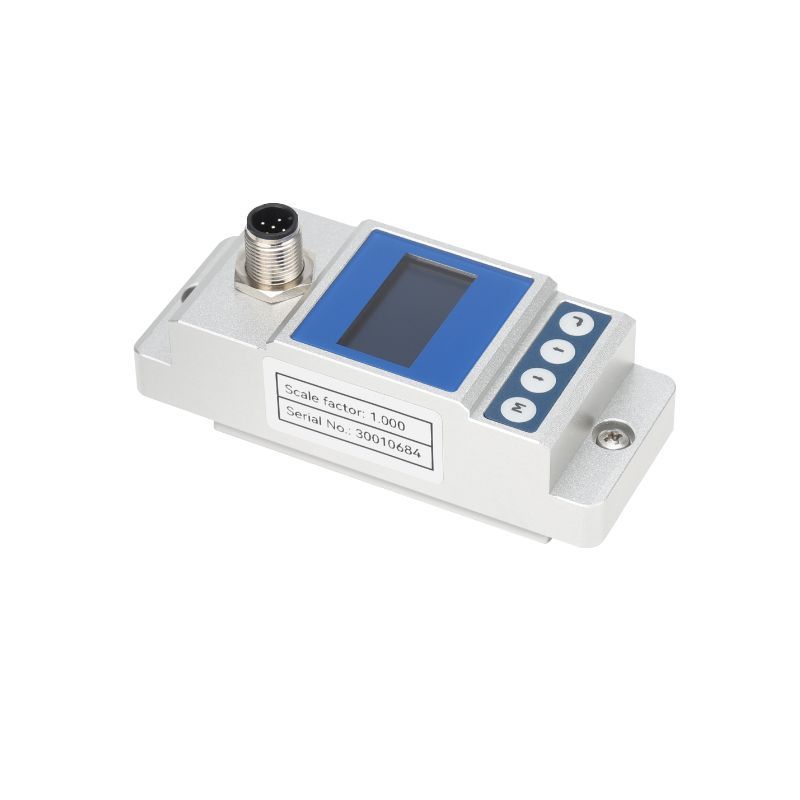
- Ultrasonic flow meter
- IoT platform (e.g., AWS IoT, Azure IoT)
- Data logger or gateway device
- Internet connection
- Configuration software or app
- Sensors for environmental data (if applicable)
Step-by-Step Integration Process
First Step: Setting Up the Ultrasonic Flow Meter
Install the ultrasonic flow meter in the desired location. Ensure proper orientation and calibration according to the manufacturer’s guidelines.
Second Step: Configuring the Meter
Using the included configuration software, input necessary parameters such as pipe diameter, fluid type, and expected flow rates. Test the setup to ensure accurate readings.
Third Step: Connecting to IoT Platform
Integrate the flow meter with your selected IoT platform:
- Connect the meter to a data logger or gateway if required.
- Set up the IoT platform account and create a new project.
- Follow the platform's guide to connect the hardware, inputting any necessary device IDs.
Fourth Step: Data Transmission Setup
Configure the data transmission settings to send flow measurement data to the IoT platform. Ensure the update frequency meets your needs.
Fifth Step: Monitoring and Alerts
Set up monitoring dashboards and alerts within the IoT platform to observe flow rates and receive notifications on anomalies or maintenance requirements.
Common Mistakes to Avoid
Incorrect Installation
Improper installation can lead to inaccurate readings. Always follow manufacturer instructions closely.
Ineffective Calibration
Failing to calibrate the meter correctly can compromise measurement accuracy. Regular calibration checks are essential.
Poor Connectivity
Ensure a stable internet connection for effective data transmission. Check for any connectivity issues post-installation.
Lack of Regular Maintenance
Neglecting routine maintenance can result in performance degradation. Schedule regular inspections to ensure reliability.
Conclusion
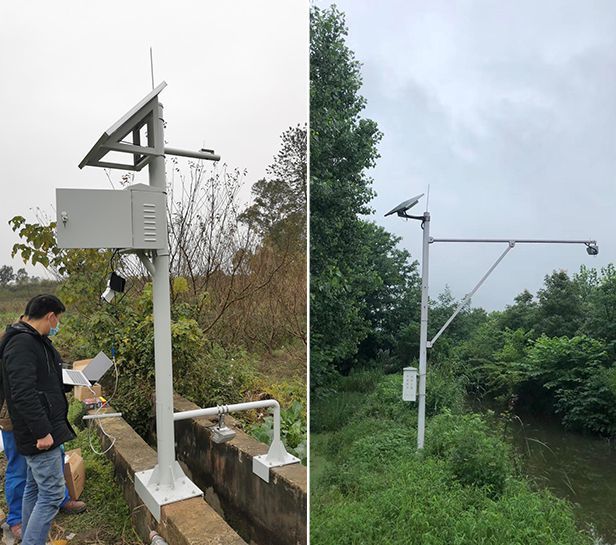
Integrating an ultrasonic flow meter with an IoT platform can provide significant benefits in data collection and management. By following these detailed steps and avoiding common mistakes, you can streamline your operations effectively. For quality products, consider Gallopsensor's ultrasonic open channel flow meters, which you can explore further at Gallopsensor.
Aug. 24, 2026
Aug. 24, 2026
Aug. 24, 2026
Aug. 24, 2026