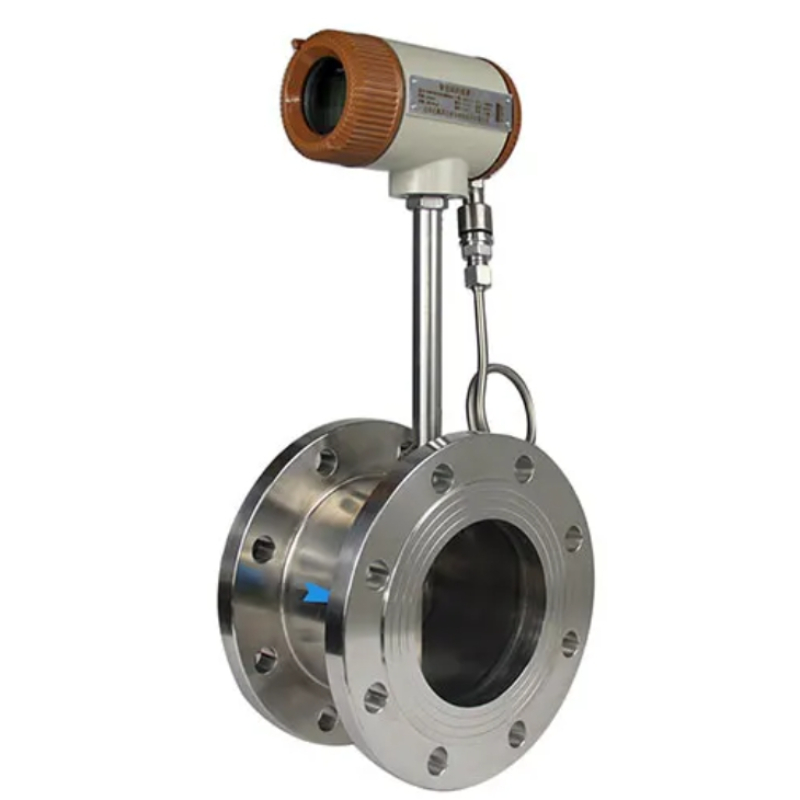
How to Integrate Ultrasonic Open Channel Flow Meters with SCADA Systems
Apr. 15, 2026
How to Integrate Ultrasonic Open Channel Flow Meters with SCADA Systems: A Step-by-Step Guide
Integrating ultrasonic open channel flow meters with SCADA (Supervisory Control and Data Acquisition) systems can significantly enhance your flow measurement capabilities, providing real-time data and improving operational efficiency. In this guide, I promise to provide you with clear, actionable steps to seamlessly execute this integration. By the end of this article, you'll be equipped with a step-by-step process that addresses your specific needs, regardless of your technical background.
Step 1: Understand Your Flow Measurement Requirements
Before diving into the integration process, it's crucial to have a solid understanding of your flow measurement requirements. Consider the following:
- Precision: Does your application require flow measurement precision to 0.01mm?
- Flow Type: Are you measuring open channel flow (e.g., rivers, wastewater)?
- Data Output Needs: Do you require continuous monitoring, or periodic data logging suffices?
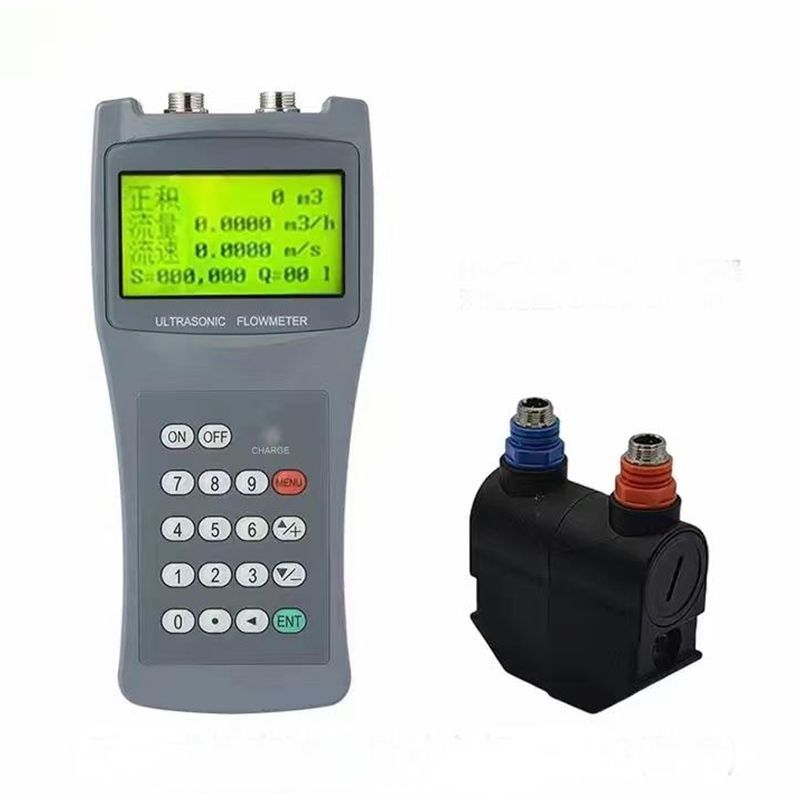
Identifying these parameters will help guide your choice of ultrasonic flow meter, such as those provided by GallopSensor. These meters conform to ASTM standards, ensuring accuracy and reliability in varying conditions.
Step 2: Choose the Right Equipment
Selecting the appropriate ultrasonic open channel flow meter is vital for successful integration. Key features to consider:
- Measurement Range: Match the meter’s range with your expected flow characteristics.
- Output Compatibility: Ensure your meter has output formats compatible with your SCADA system (e.g., Modbus, 4-20 mA).
- Environmental Tolerance: Make sure the device can withstand local conditions such as temperature and humidity.
GallopSensor devices have been tested to meet stringent international standards, making them ideal for various applications.
Step 3: Set Up the Ultrasonic Flow Meter
Installation is often where challenges arise. Follow these best practices to simplify the setup:
- Positioning: Install the flow meter at a straight section of the channel; this ensures reliable readings.
- Calibration: Calibrate the meter according to the manufacturer's guidelines to ensure accuracy.
- Wiring and Connections: Connect the meter to your SCADA system using proper cabling, ensuring minimal electromagnetic interference.
I recommend utilizing 24-hour response troubleshooting services to address any potential installation issues promptly.
Step 4: Integrate with SCADA Systems
For effective integration, follow these steps:
- Data Protocol Configuration: Configure the data protocols according to the SCADA system’s requirements (e.g., configuring Modbus parameters).
- Create Data Points: Establish data points in the SCADA system corresponding to each output from the ultrasonic flow meter.
- Set Alerts: Configure alerts for specific flow measurement thresholds to facilitate immediate response actions.
GallopSensor provides extensive support documentation and resources to guide you through this integration process.
Step 5: Testing and Validation
Once integrated, undertake rigorous testing to validate the flow measurements. This step is critical to ensure:
- Accuracy of Readings: Compare SCADA data against known reference points.
- System Stability: Monitor system performance over time to ensure consistent readings.
Utilizing industry standards (such as DIN and ISO) during validation enhances trust in the data collected.
Overcoming Potential Challenges
Throughout this process, you may encounter certain challenges such as:
- Incompatible Inputs: If your SCADA system doesn’t support your chosen meter's output, consult with your system vendor for possible solutions.
- Environmental Factors: Water turbulence or obstructions might affect readings. Implement baffles or elevation changes to minimize interference.
Tools and Resources for Efficient Execution
To enhance execution efficiency, consider these resources:
- Training and Workshops: Attend workshops by manufacturers like GallopSensor for hands-on training.
- Monitoring Software: Use advanced monitoring and analytics software for better data interpretation.
- Online Forums: Engage with industry peers on forums to share experiences and solutions.
Conclusion: Take Action Now!
Integrating ultrasonic open channel flow meters with SCADA systems can streamline your flow measurement processes, enhance accuracy, and maximize operational efficiency. By following the outlined steps—understanding your requirements, selecting the right equipment, setting up, and integrating your systems—you can simplify the implementation process effectively.
Now is the time to take action. Invest in GallopSensor ultrasonic flow meters, leverage your SCADA capabilities, and transform your flow measurement strategy into a more responsive and precise operation today. Don’t hesitate to visit GallopSensor for additional resources and support. Your operational efficiency depends on it!
Aug. 24, 2026
Aug. 24, 2026
Aug. 24, 2026
Aug. 24, 2026