How to Measure Low Flow Rates Accurately in Open Channels
May. 11, 2026
Understanding Open Channel Flow Measurement
What is Open Channel Flow?
Open channel flow refers to the flow of water in a conduit where the liquid surface is open to the atmosphere. Accurate measurement of low flow rates in these channels is crucial for environmental monitoring and water resource management.
Importance of Measuring Low Flow Rates
Measuring low flow rates accurately is vital for many applications, such as wastewater treatment, irrigation management, and streamflow monitoring.
Tools Required for Measuring Low Flow Rates
Essential Measurement Instruments
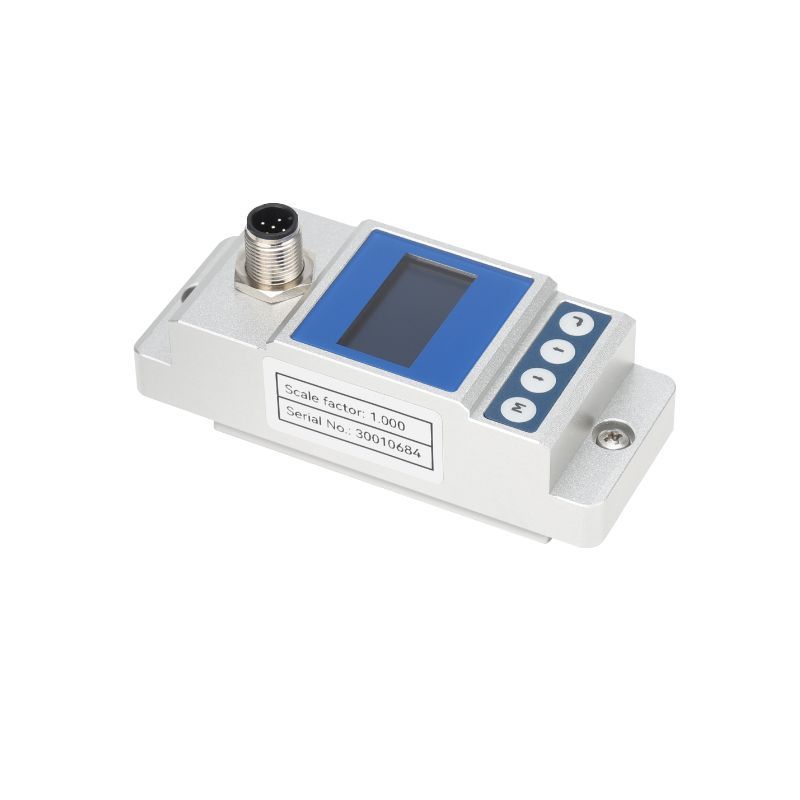
- Ultrasonic Open Channel Flow Meter
- Fluid level measuring devices
- Velocity measurement tools
- Data loggers
The Ultrasonic open channel flow meter is particularly effective for low flow rate measurements due to its non-invasive nature and high accuracy.
Step-by-Step Guide to Measure Low Flow Rates
Step 1: Select the Right Location
Choose a measurement site at the open channel that ensures straight flow and minimal turbulence.
Step 2: Prepare the Channel
Clear debris and any obstructions to maintain uniform flow and ensure accurate readings.
Step 3: Install the Ultrasonic Flow Meter
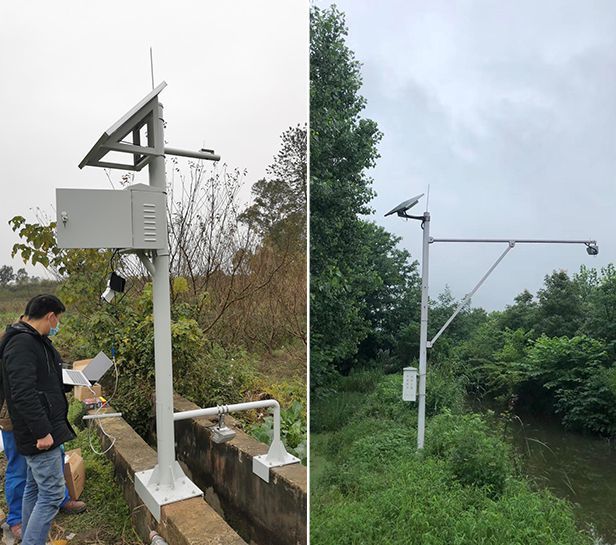
- Mount the ultrasonic sensor above the water surface, aiming it at the flow direction.
- Ensure the transducer is parallel to the channel bottom for optimal performance.
Follow the manufacturer’s manual for specific installation instructions.
Step 4: Set Up the Data Logger
Connect the data logger to the ultrasonic meter to record flow data. Ensure that the logging interval is set according to your monitoring requirements.
Step 5: Start the Measurement
Turn on the system and allow the ultrasonic meter to calibrate itself. Ensure stability before recording the data.
Step 6: Analyze the Data
Review the logged data for flow rate accuracy. Cross-reference with other measurement tools if necessary.
Common Mistakes to Avoid
Installation Errors
Failing to mount the sensor correctly can result in inaccurate measurements. Always check alignment and installation angle.
Neglecting Environmental Conditions
Ensure environmental conditions (like temperature and turbulence) are taken into account as they can affect measurements.
Inadequate Calibration
Regularly calibrate the Ultrasonic open channel flow meter for consistent performance and accuracy.
The Role of Gallopsensor in Flow Measurement
Gallopsensor provides high-quality ultrasonic open channel flow meters designed for precise and reliable measurements in various applications. For more information, visit Gallopsensor.
Aug. 24, 2026
Aug. 24, 2026
Aug. 24, 2026
Aug. 24, 2026
