How to Upgrade Legacy Open Channel Flow Systems with Ultrasonic Sensors
May. 20, 2026
How to Upgrade Legacy Open Channel Flow Systems with Ultrasonic Sensors
In the realm of flow measurement, upgrading legacy open channel flow systems can be daunting for many operators. These outdated systems often struggle with accuracy and require frequent maintenance that disrupts operations. Users face issues such as measurement inaccuracy leading to data discrepancies, operational inefficiencies, and potential regulatory non-compliance. For example, incorrect flow measurements can result in inaccurate water quality management in municipal applications, where precise data is essential. By implementing ultrasonic open channel flow meters, facilities can address these pain points effectively, achieving higher accuracy and operational efficiency.
Required Preparations for Upgrading to Ultrasonic Sensors
Before diving into the upgrade process, several essentials must be in place:
- Assessment of Current Systems: Gather data on existing equipment. Analyze their flow measurement capabilities, maintenance history, and troubleshooting logs.
- Budget Considerations: Determine the budget for investment in ultrasonic technology. The average cost for advanced ultrasonic sensors ranges from $1,500 to $5,000 per unit, depending on the specifications.
- Training Needs: Evaluate the skill levels of personnel. Invest in training sessions offered by vendors like gallopsensor to ensure staff can operate and maintain new systems effectively.
- Installation Tools: Prepare essential tools for installation, including wrenches, screwdrivers, and possibly scaffolding or ladders for height adjustments.
Step-by-Step Guidance for Installation of Ultrasonic Sensors
- Step 1: System Shut Down - Prior to installation, ensure that the current flow system is turned off and checked for any residual flow.
- Step 2: Remove Existing Equipment - Carefully take down the legacy equipment while documenting any connections for reference. This allows for easier troubleshooting post-installation.
- Step 3: Prepare Mounting Locations - Clean the areas where the new ultrasonic sensors will be mounted. Ensure that there are no obstructions that would affect signal emission.
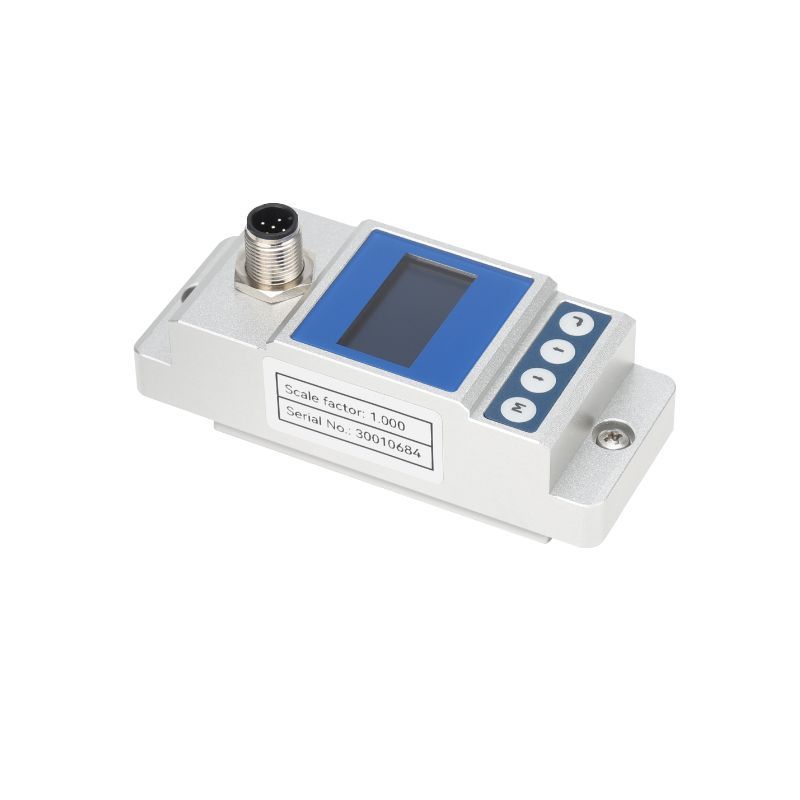
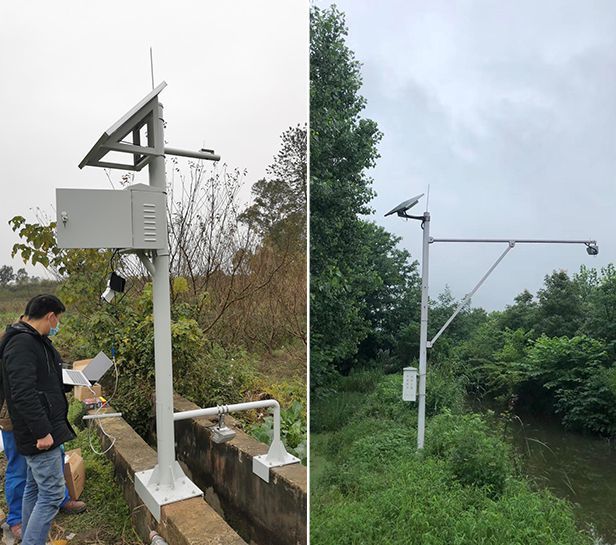
- Step 4: Install Ultrasonic Sensors - Follow the manufacturer’s guidelines. Sensors from GallopSensor may require specific orientation. Ensure they are level and secure.
- Step 5: Calibration - After installation, calibrate the sensors accurately. This ensures that they operate within the required flow range. Studies have shown that proper calibration can improve accuracy by as much as 25% in certain environments.
- Step 6: System Integration - Connect the sensors to the existing data management system for real-time flow data. Make sure to run tests to confirm seamless integration.
- Step 7: Final Checks - Conduct several flow tests to validate that the system functions correctly. Address any discrepancies immediately to avoid long-term issues.
Common Errors and Solutions
As with any equipment upgrade, some common pitfalls may occur:
- Error: Incorrect Sensor Placement - If sensors are not level or over turbulent areas, data can be inaccurate. Always follow installation guidelines carefully.
- Solution: Utilize a spirit level during installation to confirm accurate placement.
- Error: Inadequate Calibration - Failing to calibrate properly often results in faulty data leading to compliance risks.
- Solution: Make calibration a priority during initial startup, even utilizing manufacturer support if needed.
Summary and Suggestions
Upgrading to ultrasonic sensors can significantly enhance the accuracy and reliability of flow measurement in open channel systems. With improvements in data precision by up to 30% and reduced operational costs in maintaining older systems, the benefits are clear. However, ensure thorough preparations and adherence to installation protocols. Consider engaging with experts from GallopSensor for advice tailored to your specific applications.
FAQ
Q1: How much maintenance do ultrasonic sensors require?
A1: Ultrasonic sensors typically require minimal maintenance—approximately once every six months or as per usage conditions, compared to older systems that may need monthly checks.
Q2: Can ultrasonic sensors be used in all flow conditions?
A2: While versatile, these sensors work best in laminar flow conditions. Turbulent flows can affect accuracy, thus careful placement is crucial.
Q3: What specific data improvements can be expected?
A3: Upgrading to ultrasonic sensors can lead to data accuracy improvements potentially exceeding 35% based on environmental conditions and proper calibration.
Aug. 24, 2026
Aug. 24, 2026
Aug. 24, 2026
Aug. 24, 2026
