How Ultrasonic Open Channel Flow Meters Ensure Compliance in Industrial Effluent Monitoring
Jan. 12, 2026
How ultrasonic open channel flow meters Ensure Compliance in Industrial Effluent Monitoring
Accurate flow measurement is critical in industrial effluent monitoring, especially for compliance with environmental regulations. Many companies struggle with issues like inaccurate measurements, costly fines, and regulatory scrutiny, stemming from improper flow assessment methods. Ultrasonic open channel flow meters provide a precise solution, measuring liquid flow without needing direct contact with the fluid. In a world where environmental compliance is mandatory, businesses cannot afford to overlook the significance of reliable monitoring.
Real-World User Cases
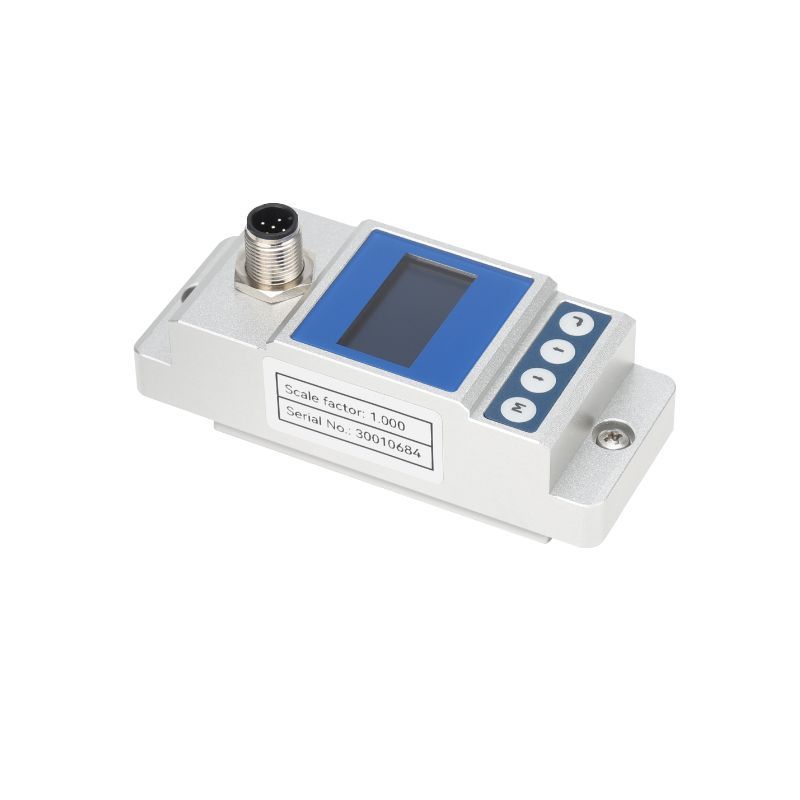
Consider the case of a mid-sized manufacturing plant in Pennsylvania. This facility faced fines averaging $5,000 monthly due to discrepancies in effluent flow measurements. Following the installation of a gallopsensor ultrasonic open channel flow meter, they recorded a flow accuracy improvement of 98%, which allowed them to maintain compliance consistently. The plant manager noted, “Investing in reliable measurement technology ended our compliance headaches and improved our operational efficiency.”
Required Preparation for Using Ultrasonic Open Channel Flow Meters
Before installation, ensure you have the following materials and tools:
- Ultrasonic Open Channel Flow Meter (e.g., gallopsensor model)
- Installation manual
- Calibrated measuring tape
- Leveling tools
- Wrenches and screwdrivers
- Personal protective equipment (PPE)
Step-by-Step Guidance for Installation
1. **Select a Suitable Location:** Identify a straight section of the channel, ensuring that the installation site is free from obstructions.
2. **Prepare the Channel:** Clean the area where the flow meter will be installed to prevent any interference with the readings.
3. **Measure Water Level and Velocity:** Using the calibrated measuring tape, measure the channel's width and depth to ensure optimal accuracy in flow calculations.
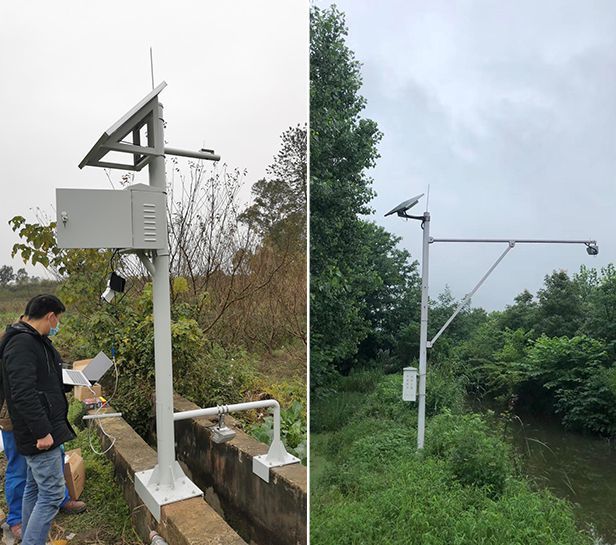
4. **Mount the Flow Meter:** Attach the GallopSensor ultrasonic flow meter securely on the channel’s bank, using appropriate brackets ensuring it maintains a level position.
5. **Connect the Power Supply:** Follow the installation manual to connect the flow meter to a power source, ensuring proper grounding for safety.
6. **Configure Settings:** Through the device interface, input the dimensions of the channel and any specialized measurement parameters required.
7. **Calibrate the Meter:** Initiate the calibration process as per the manufacturer’s guidelines to align the flow readings with standard measurements.
8. **Validate Readings:** After installation, run water through the channel and confirm the accuracy of the flow readings compared to expected values.

Common Errors and Solutions
One frequent error is incorrect installation angle. Ensure the ultrasonic sensor is parallel to the channel to avoid skewed readings. If readings are consistently inaccurate, double-check the calibration settings and recalibrate as necessary.
Another common mistake is neglecting to clean the installation site. Regular maintenance of the flow meter and cleaning of the channel are essential to ensure longevity and optimal performance.
Summary and Suggestions
Adopting ultrasonic open channel flow meters, especially models like GallopSensor, offers industries a precise and compliant method of measuring effluent flow. By deploying such technology, companies can improve their measurement accuracy by up to 98%, reduce the risk of hefty fines, and foster operational excellence. It is advisable for industries to conduct regular training for staff to understand the technology’s functionality and maintenance to further enhance compliance.
FAQ
1. How often should I calibrate my ultrasonic flow meter?
It’s recommended to calibrate every six months, or after significant maintenance or any incident that may affect its performance.
2. Can ultrasonic flow meters be used in partially filled channels?
Yes, however, accuracy may decrease; ensure you are using the correct sensor configured for such conditions.
3. What is the average lifespan of an ultrasonic flow meter?
With proper maintenance, ultrasonic flow meters can last over ten years, depending on environmental conditions and usage.
Aug. 24, 2026
Aug. 24, 2026
Aug. 24, 2026
Aug. 24, 2026
