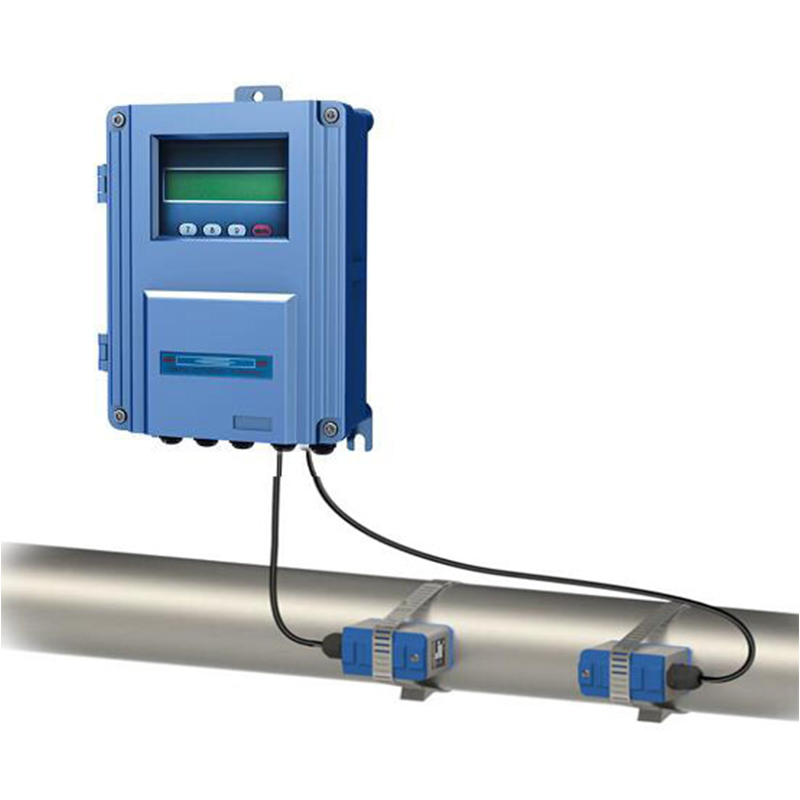
How Ultrasonic Open Channel Flow Meters Handle Debris and Solids
May. 14, 2026
When it comes to accurate flow measurement, particularly in open channels, encountering debris and solids can pose significant challenges for users. If you're struggling with ensuring precise readings in the presence of particulate matter, this guide provides clear, actionable steps leveraging the advanced technology of ultrasonic open channel flow meters, notably from GallopSensor. With the right approach, you can maximize the efficiency of your flow measurement processes without compromising accuracy.
Understanding the Challenge
Ultrasonic open channel flow meters excel in non-invasive flow measurement, significantly improving operational efficiency. However, one common problem arises when debris, such as leaves or sediment, interferes with the ultrasonic signal. Addressing this issue is crucial, as inaccurate measurements can lead to financial losses, regulatory violations, and operational disruptions.
Step-by-Step Approach to Handle Debris and Solids
Step 1: Choose the Right Ultrasonic Flow Meter
To start, selecting the appropriate ultrasonic open channel flow meter is pivotal. GallopSensor's models are specifically designed to overcome challenges posed by debris—boasting precision up to 0.01 mm and a robust performance profile. Look for features such as:
- Self-cleaning functions: These automatically reduce the buildup of solids.
- High-frequency ultrasonic signals: These enhance echo quality, providing clearer readings even in turbulent conditions.
Step 2: Installation and Placement
For optimal performance, installation location matters greatly. Follow these considerations:
- Mount the sensor above the channel: This minimizes the chances of direct debris interference.
- Ensure proper leveling: An unlevel installation can skew results, making it essential to utilize built-in leveling aids or bubble levels.
Step 3: Calibration and Regular Maintenance
Calibration is vital for accurate measurements. Use GallopSensor’s user-friendly calibration software to perform the following:
- Conduct regular checks: At least every six months based on ASTM D6021 standards on flow measurement accuracy.
- Clean the sensor surface: Regularly remove any build-up that may hinder performance.
Real-World Effects
By adopting the specified steps, businesses can expect significant improvements in flow accuracy, often achieving 100% inspection rates in various applications ranging from wastewater treatment to irrigation systems. This newfound precision not only enhances compliance with local regulations but also optimizes operational costs through better resource management.
Challenges and Solutions
While implementing this process, challenges such as inconsistent water levels and environmental fluctuations may arise. Here’s how to mitigate these challenges:
- Use flow conditioning equipment: Install flumes or weirs to stabilize flow conditions.
- Adjust for temperature variations: Ensure that the flow meter settings compensate for any changes in water temperature, which can affect density and hence measurements.
Tools for Enhanced Efficiency
To streamline your implementation of ultrasonic open channel flow meters that handle debris and solids effectively, consider using:
- Ultrasonic flow meter calibration tools from GallopSensor for precise adjustments.
- Debris management systems like automated filtration systems that work in tandem with your meters to maintain optimal working conditions.
Summary & Next Steps
In conclusion, managing debris and solids when using ultrasonic open channel flow meters is achievable through careful selection, installation, and maintenance practices. By focusing on these key steps:
- Choose a high-quality ultrasonic flow meter like those offered by GallopSensor.
- Properly install and calibrate the device for optimal performance.
- Conduct regular maintenance to ensure sustained accuracy.
With these steps, you can enhance your flow measurement processes and mitigate the challenges posed by debris and solids. Don’t delay—consider visiting GallopSensor to explore state-of-the-art solutions that can resolve your flow measurement challenges today!
Aug. 24, 2026
Aug. 24, 2026
Aug. 24, 2026
Aug. 24, 2026