How Ultrasonic Open Channel Flow Meters Improve Wastewater Treatment Efficiency
Mar. 23, 2026
Understanding ultrasonic open channel flow meters
What Are Ultrasonic Open Channel Flow Meters?
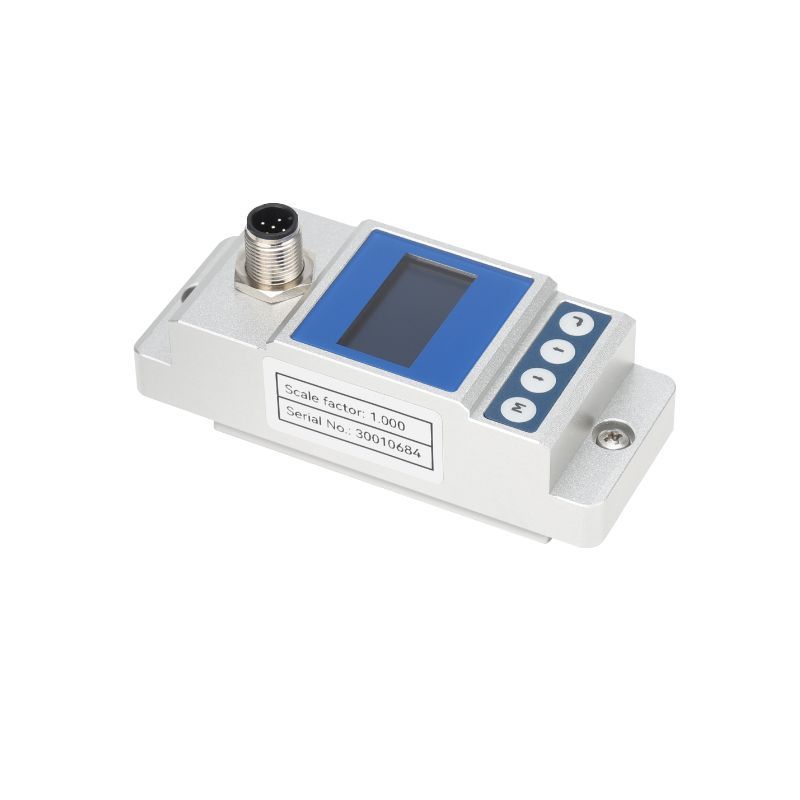
Ultrasonic open channel flow meters utilize sound waves to measure the flow rate of liquids in open channels. Unlike traditional flow meters, they can accurately measure flow without direct contact with the liquid, making them ideal for wastewater treatment facilities.
How Do They Work?
These meters emit ultrasonic pulses that travel through the air and reflect off the surface of the liquid. The time it takes for the pulse to return is measured, allowing for precise calculation of the flow rate. They are widely used in various applications, including:
- Wastewater treatment plants
- Irrigation channels
- Stormwater management
- Industrial processes
Benefits of Using Ultrasonic Open Channel Flow Meters
Improved Measurement Accuracy
One of the key advantages is their ability to provide highly accurate flow measurements under various conditions. This accuracy is crucial for effective wastewater management.
Reduced Maintenance Requirements
Ultrasonic meters are less prone to clogging and wear, reducing the need for regular maintenance and allowing for more consistent operation.
Enhanced Data Collection and Monitoring
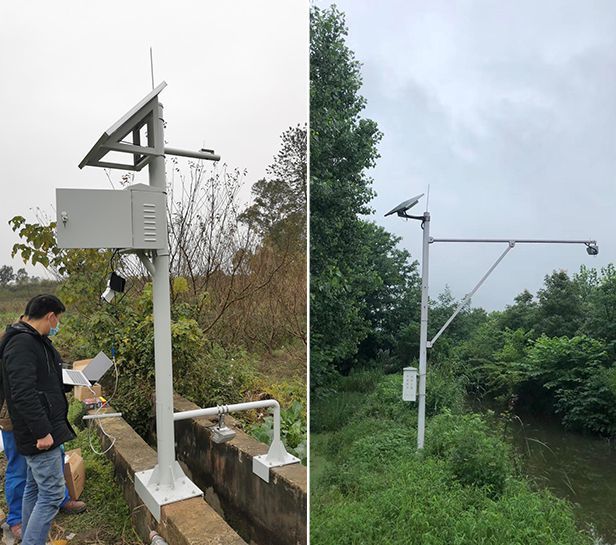
These devices can be integrated with remote monitoring systems, providing real-time data on flow rates. This helps in making informed decisions quickly.
Installation Steps for Ultrasonic Open Channel Flow Meters
Step-by-Step Installation Guide
Follow these steps for a successful installation of an ultrasonic open channel flow meter:
- Choose the Installation Site: Select a location that is accessible and free from obstructions to the flow.
- Gather Required Tools: Required tools include a level, wrenches, calibration tools, and a power source.
- Prepare the Channel: Ensure that the channel is clean and free from any debris that may affect the measurement.
- Mount the Meter: Secure the ultrasonic sensor at the appropriate height, typically at least 6 inches above the flow surface.
- Connect the Wiring: Properly connect the power and signal wiring according to the manufacturer's instructions.
- Calibrate the Meter: Following installation, calibrate the meter with the required flow parameters for accurate readings.
- Conduct a Test Run: Perform a test to ensure the meter is functioning correctly and providing accurate flow measurements.
Common Mistakes to Avoid During Installation
Overlooking Site Conditions
Ensure that there are no obstructions or reflections that could distort the ultrasonic signal, which could lead to inaccurate readings.
Incorrect Height Placement
Positioning the sensor too high or too low can affect performance. It’s crucial to maintain the manufacturer's recommended height for the best results.
Neglecting Calibration
Failing to calibrate the meter after installation can result in inaccurate measurements. Always follow calibration procedures before use.
Conclusion
Using an ultrasonic open channel flow meter can significantly enhance wastewater treatment efficiency by providing accurate data and reducing maintenance needs. At gallopsensor, we specialize in top-quality ultrasonic flow measurement solutions tailored for your needs. For more information, check our products and discover how they can benefit your operations.
Aug. 24, 2026
Aug. 24, 2026
Aug. 24, 2026
Aug. 24, 2026
