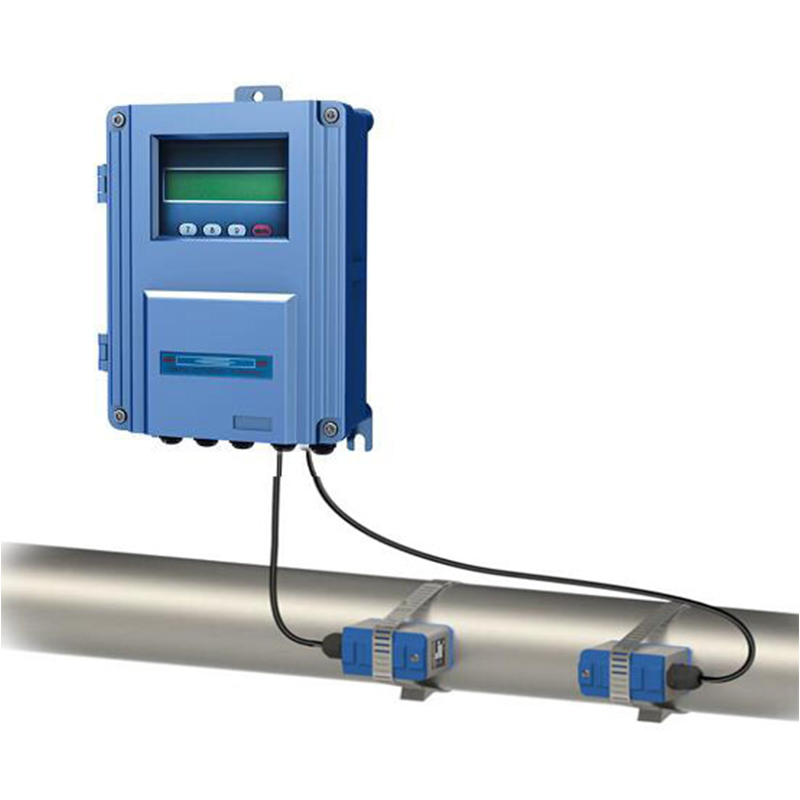
How Ultrasonic Open Channel Flow Meters Support Regulatory Compliance
May. 11, 2026
Understanding Regulatory Requirements for Flow Measurement
Identifying Key Regulations
To ensure compliance, it's crucial to identify the relevant regulations that apply to your industry. This includes environmental regulations and standards set by local and international bodies. Researching these guidelines will help you understand what parameters must be measured and reported.
The Importance of Accurate Flow Measurements
Accurate flow measurements are essential for meeting regulatory requirements. Inaccuracies can lead to potential fines and environmental impacts. Regular calibration and verification of measurement instruments are necessary to maintain compliance.
Choosing the Right Ultrasonic Open Channel Flow Meter
Factors to Consider When Selecting a Meter
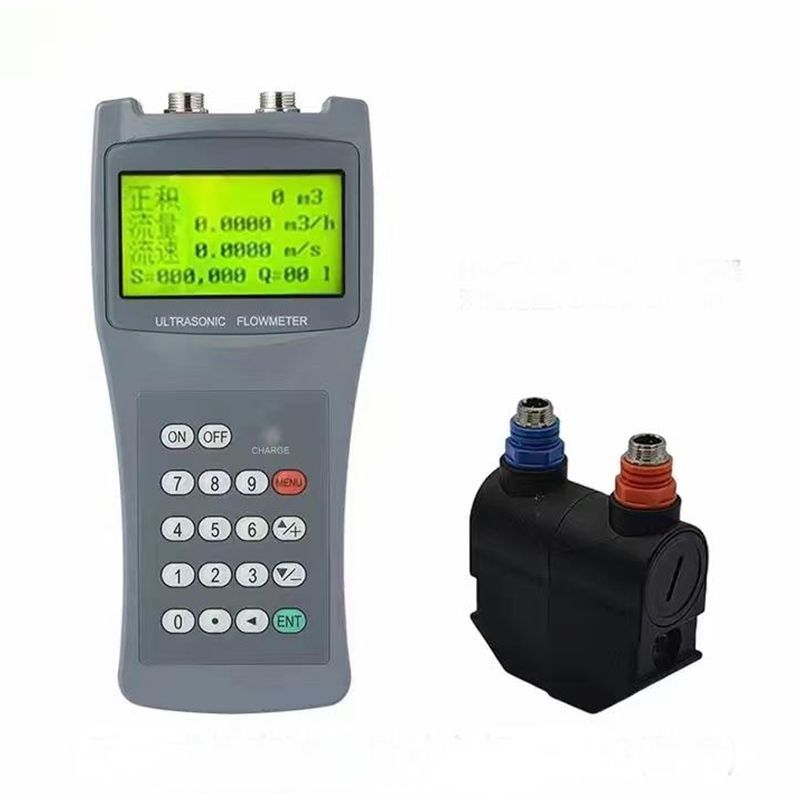
When selecting an ultrasonic flow meter, consider these factors:
- Flow range compatibility
- Accuracy and precision
- Installation requirements
- Material compatibility
- Cost and warranty considerations
Installation Guidelines for Ultrasonic Open Channel Flow Meters
Step-by-Step Installation Process
Follow these steps to install your ultrasonic flow meter for optimal performance:
- Gather Required Tools: Level, wrenches, drill, measurement tape, and spirit level.
- Prepare the Site: Ensure the channel is clean and accessible.
- Position the Meter: Install the meter at a location beneficial for flow dynamics.
- Secure the Meter: Use appropriate fasteners and ensure it is level.
- Connect Power and Signal Wires: Follow the manufacturer’s wiring diagrams.
- Test the Installation: Check for leaks and secure fittings.
Common Mistakes to Avoid
Avoid these common pitfalls during installation:
- Inadequate site preparation leading to inaccurate readings.
- Improper meter positioning causing flow disturbances.
- Neglecting to level the device, which affects data accuracy.
Regular Maintenance for Compliance
Establishing a Maintenance Schedule
Regular maintenance is key to ensuring the reliability of your ultrasonic meter:
- Calibrate the meter every six months or as required by regulations.
- Clean the sensor surfaces regularly to prevent buildup.
- Inspect wiring and connections for damage.
Documentation and Record-Keeping
It’s crucial to maintain proper documentation of measurements and maintenance activities as part of compliance. This includes:
- Calibration records
- Maintenance logs
- Verification reports
Leveraging Data for Regulatory Reporting
Understanding Data Requirements
Knowing what data to collect is essential for meeting compliance:
- Flow rates
- Volume of water used or discharged
- Times of peak flow
Using Software for Report Generation
Utilize data management software to streamline reporting. Steps include:
- Input data from flow meter readings.
- Generate reports according to regulatory formats.
- Store reports securely for audits.
By selecting the right ultrasonic open channel flow meter, following proper installation guidelines, and maintaining regulatory compliance through diligent data management, organizations can effectively manage their water usage while meeting legal standards. For more information on reliable flow meters, visit Gallopsensor.
Aug. 24, 2026
Aug. 24, 2026
Aug. 24, 2026
Aug. 24, 2026