How Ultrasonic Open Channel Flow Meters Support Remote Monitoring
Mar. 20, 2026
Introduction: Addressing User Problems with Ultrasonic Open Channel Flow Meters
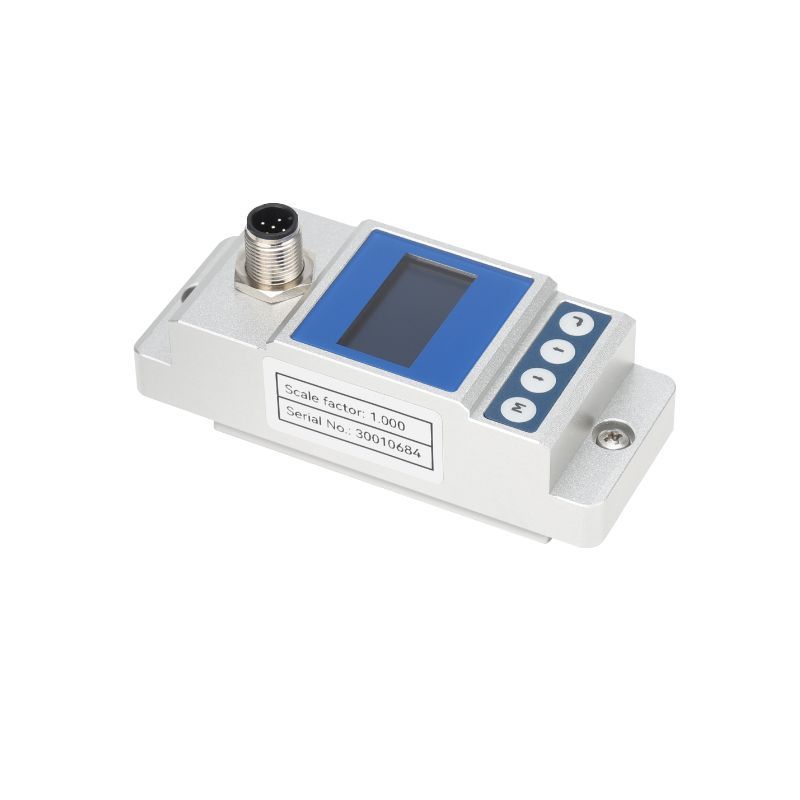
Effective flow measurement is a critical consideration for industries reliant on precise liquid management, such as wastewater treatment, irrigation, and industrial processes. Users often face significant challenges, such as inaccurate readings, high maintenance costs, and the inability to monitor flow remotely. The gallopsensor Ultrasonic Open Channel Flow Meter provides a reliable solution to these pain points, enabling seamless remote monitoring and offering an accurate measurement within ±1% error rate. The real intention behind utilizing this technology lies in the desire for efficiency and cost-effectiveness, ensuring that flow data is accessible for analysis without the need for constant physical presence.
Required Preparation: Materials and Tools
Before implementing an Ultrasonic Open Channel Flow Meter, you'll need the following materials and tools:
- gallopsensor Ultrasonic Open Channel Flow Meter: Ensure you have the right model for your application, capable of measuring the desired range.
- Installation Tools: Basic tools such as wrenches and screwdrivers for mounting the device securely.
- Calibration Equipment: Standard solutions to ensure the accuracy of the flow meter readings.
- Computer or Mobile Device: To access remote monitoring platforms, allowing real-time updates of flow measurements.
Step-by-Step Guidance on Installation and Setup of Ultrasonic Open Channel Flow Meters
Follow these detailed steps to successfully install and configure your Ultrasonic Open Channel Flow Meter:
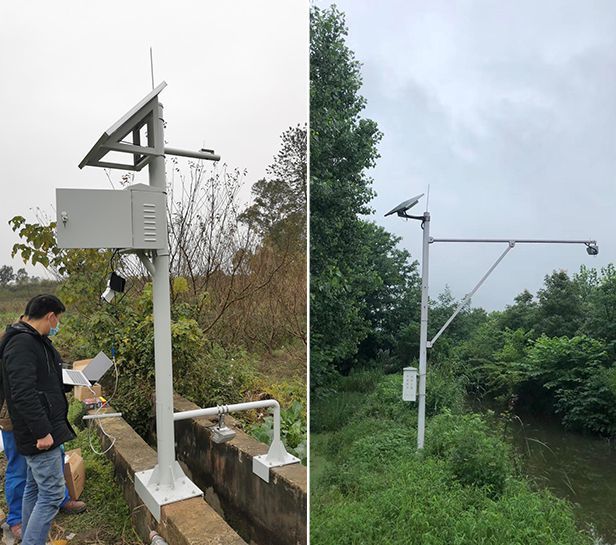
- Choose the Right Location: Select an installation site that allows for unobstructed measurement of flow, typically a straight channel section. This location should be accessible for maintenance.
- Prepare the Site: Ensure the channel is clean and free from debris that could disrupt flow measurements. Confirm that the walls of the channel meet specifications; ideally, a V-notch or trapezoidal shape improves accuracy.
- Mount the Sensor: Secure the Gallopsensor Ultrasonic Open Channel Flow Meter on the channel wall. Use appropriate mounting brackets and sealants to prevent leaks or contamination.
- Connect the Power Supply: Ensure that the flow meter is connected to a stable power source. Galvanized pipes are recommended to avoid electrical interference.
- Calibration: Start the calibration procedure as per the user manual. This typically requires you to input the channel dimensions and expected flow rates into the settings. The Gallopsensor meter supports both manual and automatic calibration.
- Connect to the Monitoring System: Utilize the provided software or app to establish a connection between the meter and your computer or mobile device. This allows you to monitor real-time data and receive alerts.
- Test the System: Once installed, run water through the channel to test the accuracy of the readings. Compare these readings against known benchmarks to confirm performance.

Common Errors and Solutions
Even with careful installation, users may encounter several common errors. Below are potential issues and their solutions:
- Inaccurate Readings: This could stem from improper alignment of the sensor. Ensure the sensor is mounted level to the water's surface and recheck calibration settings.
- Erratic Data Transmission: If the remote monitoring system is receiving inconsistent readings, check for obstacles that may be obstructing the signal, or consider upgrading the communication method (e.g., Wi-Fi instead of older protocols).
- High Maintenance Costs: Regular checks on the sensor's cleanliness can minimize maintenance. Schedule periodic cleaning and inspections to keep for consistent performance.
Summary and Suggestions
The Gallopsensor Ultrasonic Open Channel Flow Meter presents a potent solution to various industry challenges, particularly when it comes to remote flow monitoring. By offering precise data transmission and low maintenance needs, users can enhance their operational efficiency. To optimize your deployment, keep a regular maintenance schedule and invest in training for your staff to troubleshoot common issues. Future-proofing your operations by tracking water flow will contribute to sustainability goals and cost reduction.
FAQ
1. How does an Ultrasonic Open Channel Flow Meter work?
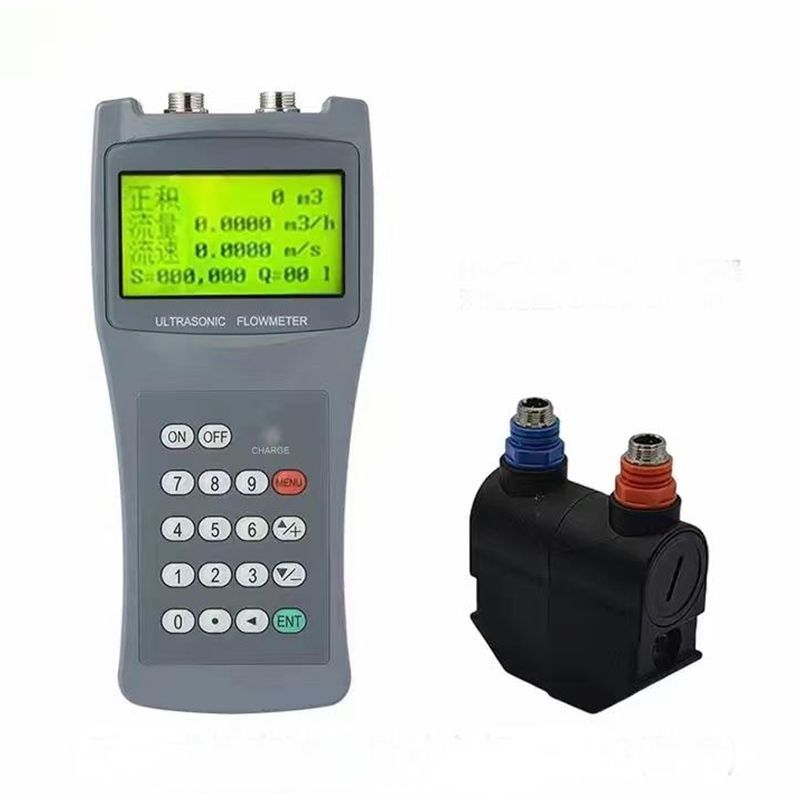
Ultrasonic flow meters utilize sound waves to measure the velocity of the liquid flowing in an open channel, translating these measurements into an accurate flow rate.
2. What is the expected lifespan of these flow meters?
Typically, a well-maintained Ultrasonic Open Channel Flow Meter has a lifespan of 10 to 15 years, depending on environmental conditions and usage.
3. Can I integrate this meter with existing systems?
Yes, the Gallopsensor flow meters are designed with compatibility in mind, easily integrating with existing data management and monitoring systems for comprehensive flow analytics.
Aug. 24, 2026
Aug. 24, 2026
Aug. 24, 2026
Aug. 24, 2026
