Improving Wastewater Treatment Efficiency with Non-Contact Flow Measurement
Jan. 20, 2026
Table of Contents
Introduction
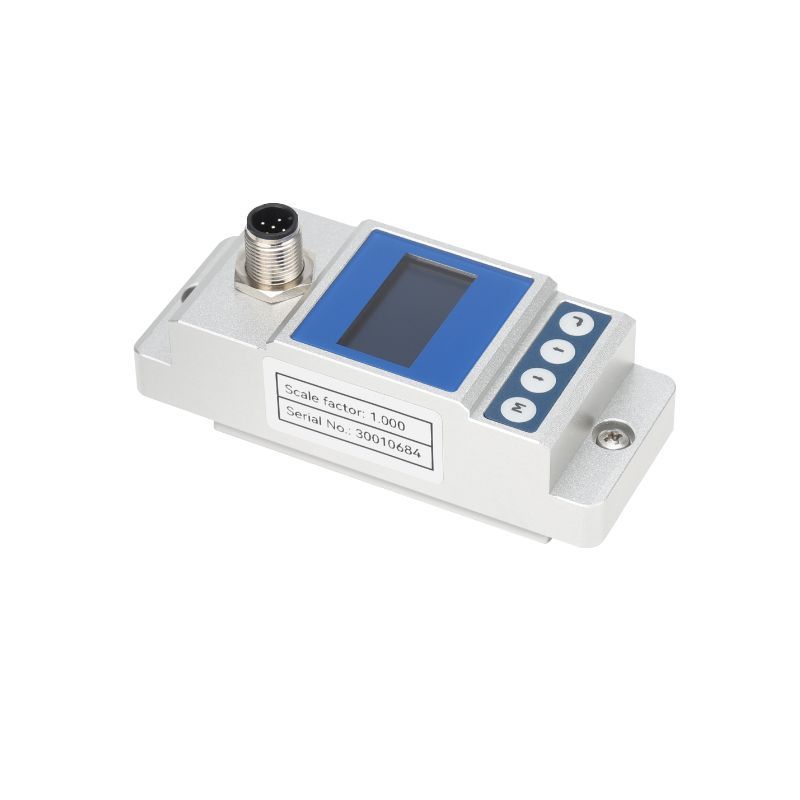
The ultrasonic open channel flow meter is a crucial tool in wastewater treatment efficiency. Many facilities struggle with measuring water flow accurately. Inaccurate flow measurement can lead to treatment delays and increased costs. Using non-contact technology offers a solution. This method ensures precise flow data without direct contact with the water. As a result, facilities can meet environmental standards more easily. 
Summary Answer
Non-contact flow measurement improves wastewater treatment efficiency by providing accurate flow data, reducing maintenance needs, and allowing for better compliance with environmental regulations.
1. Benefits of Non-Contact Flow Measurement
Non-contact flow measurement offers several benefits:
• Accuracy
Ultrasonic sensors provide reliable flow readings, which are essential for effective wastewater treatment.
• Reduced Maintenance
Since these meters do not touch water directly, they have fewer parts that wear out, leading to lower maintenance costs.
• Enhanced Compliance
Accurate measurements help treatment plants comply with local and federal regulations.
2. How Ultrasonic Open Channel Flow Meters Work
Understanding how ultrasonic open channel flow meters function is vital:
• Working Principle
These meters use sound waves to measure the velocity of water in an open channel. When water flows, it creates a Doppler effect in the sound waves, which the sensor detects.
• Installation Process
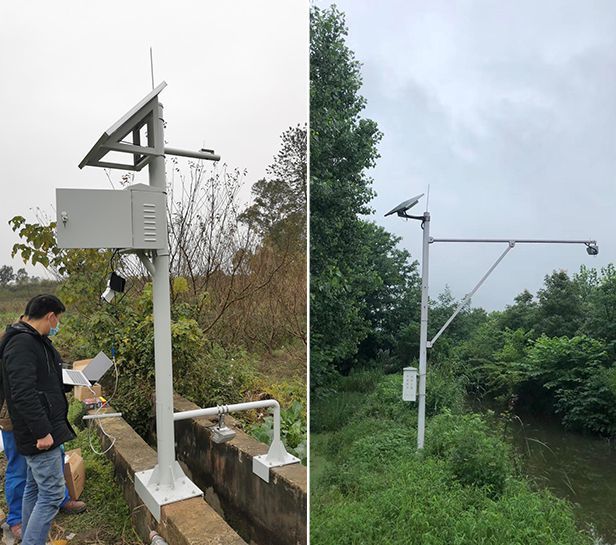
Installation involves placing the sensor above the open channel. Settings are adjusted to ensure optimal performance. A step-by-step flow chart illustrates the typical setup:
| Step | Description |
|---|---|
| 1 | Select installation site |
| 2 | Mount the sensor |
| 3 | Connect to power and data systems |
| 4 | Calibrate device |
3. Importance of Accurate Flow Measurement
Accurate flow measurement is crucial for several reasons:
• Operational Efficiency
Knowing the exact flow rate allows for better resource allocation and process management.
• Cost Effectiveness
With precise measurements, facilities can avoid over-treatment or under-treatment, saving costs in chemicals and energy.
• Environmental Responsibility
Accurate data helps in complying with environmental laws, minimizing ecological harm.
4. Common Applications in Wastewater Treatment
Ultrasonic open channel flow meters are used in various settings, including:
• Wastewater Treatment Plants
Used to monitor flow into treatment tanks to optimize treatment processes.
• Industrial Effluent Monitoring
Assists in tracking the discharge of industrial effluents.
• Stormwater Management
Helps in measuring runoff in stormwater systems.
FAQs
Here are some frequently asked questions:
• What is an ultrasonic flow meter?
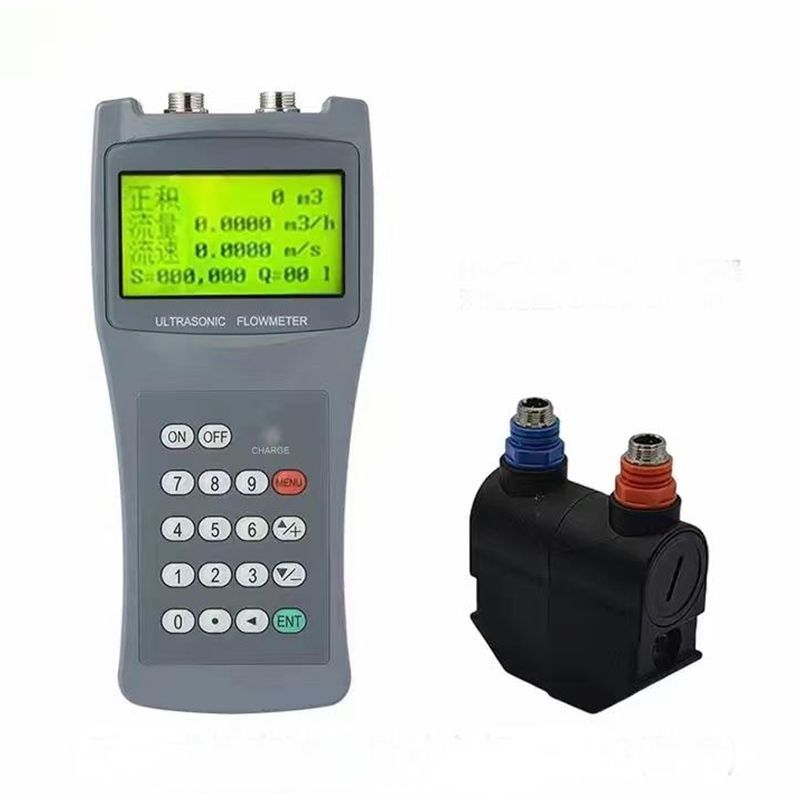
An ultrasonic flow meter measures the flow of liquids using sound waves.
• How does it differ from other flow meters?
It does not require direct contact with the fluid, making it less prone to wear and tear.
• Where can I find a reliable ultrasonic flow meter?
Look for a provider that specializes in fluid measurement technology, like gallopsensor.
Conclusion
Improving wastewater treatment efficiency with non-contact flow measurement is crucial for modern facilities. The ultrasonic open channel flow meter plays a significant role in achieving accurate flow data, reducing operational costs, and ensuring compliance with regulations. Adopting this technology can lead to more sustainable and efficient wastewater management practices.
Aug. 24, 2026
Aug. 24, 2026
Aug. 24, 2026
Aug. 24, 2026
