News
Oct. 17, 2025
The CE marking process is crucial for manufacturers and exporters of electromagnetic flow transmitters, particularly those entering the European Union market. Exporters often face barriers such as regulatory compliance, testing protocols, and documentation management. These challenges can lead to delays and increased costs, impacting a company’s bottom line. Understanding the CE marking steps
Oct. 16, 2025
The Water Regulations Advisory Scheme (WRAS) is essential for ensuring that water fittings do not cause contamination to drinking water. It is specifically crucial for engineers and water utilities who utilize sensitive equipment like electromagnetic flow transmitters. Failure to comply with WRAS requirements can lead to unauthorized installations, increased maintenance costs, or, worse,

Oct. 15, 2025
If you are involved in the manufacture, installation, or operation of electromagnetic flow transmitters for potable water systems, understanding the NSF-61 certification process is crucial. NSF-61 certification is vital for ensuring that the materials used in these devices do not leach harmful contaminants into drinking water, thus posing health risks to consumers. This article addresses the
Oct. 13, 2025
In industrial settings, professionals such as process engineers, maintenance managers, and plant technicians often face the challenge of ensuring efficient flow measurement and system integrity. Specifically, they require effective maintenance strategies for electromagnetic flow transmitters to avoid costly downtimes. Built-in data logging capabilities can dramatically streamline troubleshooting,
Oct. 10, 2025
Electromagnetic flow transmitters are essential devices used in various industries for measuring the flow of conductive liquids. However, when it comes to pulsating flow, these transmitters can face challenges in providing accurate readings. Implementing the right signal filtering options becomes crucial to enhance the performance and reliability of these devices. This article will explore

Oct. 09, 2025
Electromagnetic flow transmitters are crucial tools in fluid dynamics and measurement, particularly due to their ability to accurately measure fluid flow in both directions. This capability is especially important in applications where understanding the bidirectional nature of flow is necessary, such as in wastewater management, process industries, and irrigation systems. This article delves into
Oct. 08, 2025
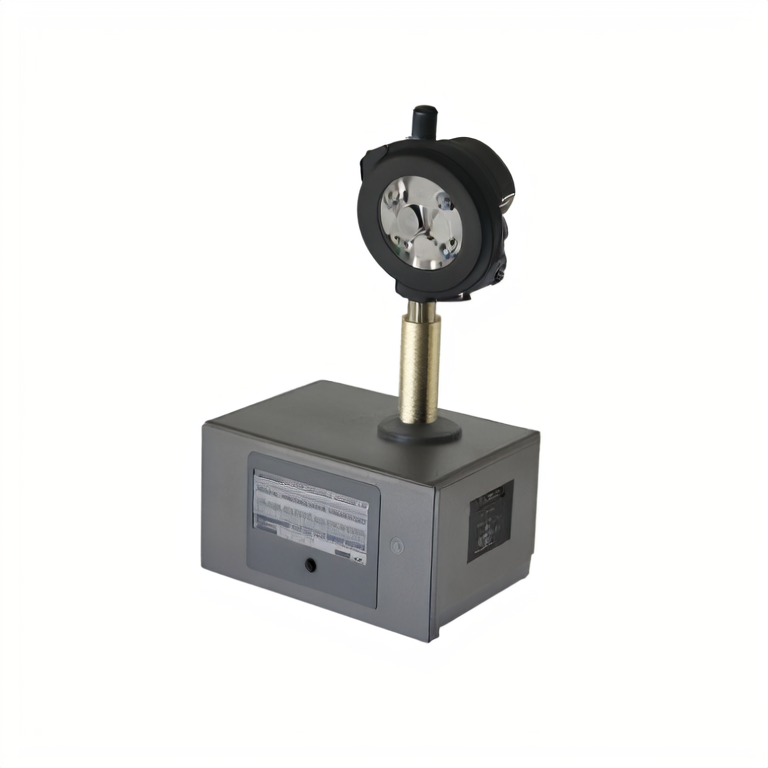
When installing electromagnetic flow transmitters, understanding pressure ratings is crucial for ensuring accurate measurement and system reliability. An electromagnetic flow transmitter measures the flow of conductive liquids by applying Faraday\'s law of electromagnetic induction. Proper pressure rating considerations are essential to prevent potential failures in the system, which can lead to

Oct. 07, 2025
Understanding the intricate relationship between flow range and the sizing of electromagnetic flow transmitters is essential for process engineers and plant operators. When faced with challenges such as inaccurate flow readings and equipment failures, properly sizing your electromagnetic flow transmitter can dramatically increase operational efficiency. This article aims to address these common
