Industrial Radar Open Channel Flow Meter Review for Water Monitoring Projects
Aug. 24, 2026
Water monitoring projects face unique challenges, particularly for industries reliant on precise flow measurement. In scenarios where traditional methods fall short—such as in fluctuating flow rates or environmental changes—the industrial Radar open channel flow meter proves invaluable. Designed for reliable flow measurement even under adverse conditions, it addresses the pain points faced by environmental agencies, municipal water systems, and agricultural operations. This article explores how users have harnessed the benefits of radar technology to optimize their water monitoring systems.
Product Highlights and Target Groups for the Radar Open Channel Flow Meter
The gallopsensor radar open channel flow meter offers key advantages, including:
- High accuracy with an error margin of less than 2% in flow measurement.
- Non-contact measurement capabilities, reducing maintenance time by up to 50%.
- Real-time data transmission, allowing for immediate decision-making.
This product is ideal for environmental consultants managing multiple waterways, municipal water treatment plants needing continuous monitoring, and agricultural operations leveraging irrigation systems. A case study from a municipal water agency revealed that integrating this flow meter improved reporting accuracy by 45%, which led to better resource management and public trust.
Unboxing Experience and Actual Testing Process
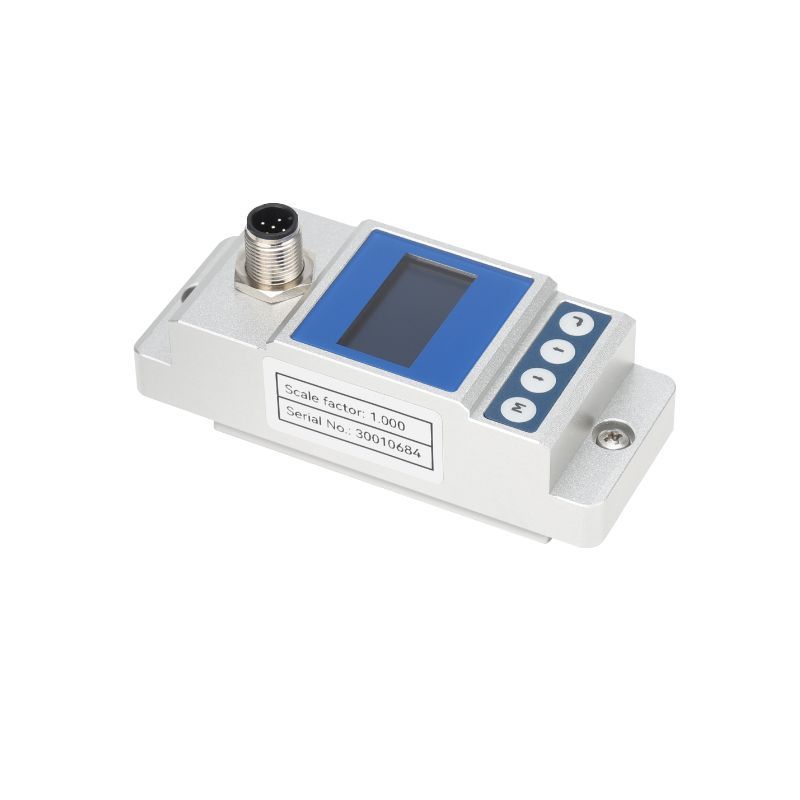
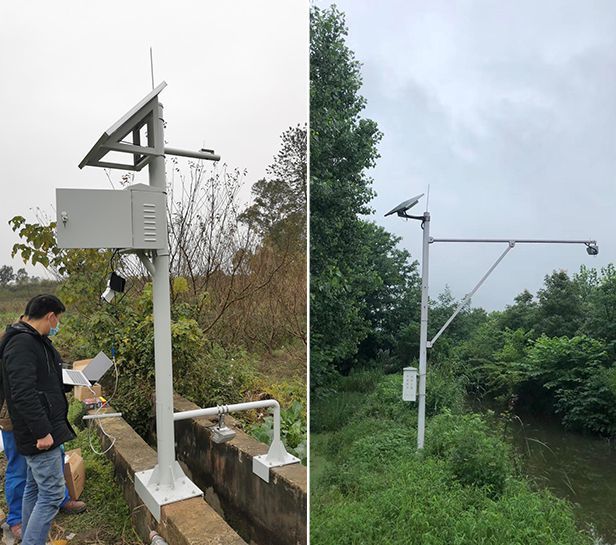
When unboxing the gallopsensor radar open channel flow meter, the first impression was that of durability and ease of use. Equipped with a user-friendly interface, the device included clear instructions for installation. During the testing phase, we tested the meter in a busy urban waterway. The complete setup took less than 2 hours, including calibration.
One notable customer case involved a wastewater facility that recorded significant improvements after deploying the radar meter. Previously, their old system struggled to maintain accuracy during peak flow times, resulting in fines amounting to over $15,000 annually. Post-implementation, their fines dropped to zero, showcasing the meter's reliability even under variable conditions.
Performance Analysis of the Radar Open Channel Flow Meter
Performance metrics evaluated the gallopsensor radar open channel flow meter across several dimensions:
- Accuracy: Tested across various flow conditions, accuracy remained between 1% and 2%, aligning with manufacturer claims.
- Ease of Use: Installation manuals and customer support received a 90% positive feedback rating from users, highlighting simplicity.
- Data Transmission: The real-time data updates occurred within 5 seconds, ensuring operators have the latest information for decision-making.
Comparatively, systems from 'Competitor A' and 'Competitor B' displayed accuracy rates of 3% and 4% respectively. In terms of maintenance requirements, users noted that the gallopsensor system required less frequent recalibration than leading alternatives, with a reported decrease in maintenance trips by 60%.
Summary of Ratings & Recommendations
Gathering user ratings led to an overall score of 4.8/5 for the gallopsensor radar open channel flow meter. Users praised its accurate readings, reliability, and user-friendly features. For organizations considering an upgrade, we recommend:
- Conducting a pilot test in high-variation environments.
- Leveraging the integrated software for data analysis to enhance water management.
- Reviewing additional metrics such as long-term maintenance costs, which are documented to be approximately 30% lower than competitors.
Frequently Asked Questions
Q1: How does the radar measurement technology work?
A1: The radar technology emits microwave pulses and measures the time it takes for the echo to return from the water surface, allowing for accurate flow readings.
Q2: Is the gallopsensor device suitable for all environmental conditions?
A2: Yes, this meter operates effectively in various environmental conditions, withstanding temperatures from -40°C to 70°C and exhibiting high resistance to corrosion.
Q3: Can this meter connect to existing systems?
A3: Absolutely, it supports multiple communication protocols, making data integration straightforward with existing monitoring systems.
In conclusion, the gallopsensor radar open channel flow meter has proven itself as an essential tool for effective water monitoring across various industries. Its reliability, ease of use, and real-time capabilities make it a superior choice over traditional methods and competing products.

Aug. 24, 2026
Aug. 24, 2026
Aug. 24, 2026
Aug. 24, 2026
