Installation Tips for Radar Open Channel Flow Meters
Jul. 28, 2026
Installing Radar open channel flow meters can be a daunting task for many operators and engineers working in water measurement and management. Common pain points include inaccurate readings due to improper installation, environmental factors influencing performance, and time-consuming calibration processes. Fortunately, with the right guidance and techniques, you can enhance the installation process of radar open channel flow meters, ensuring optimal performance and accuracy. In this article, we will explore practical installation tips backed by reliable data and expert suggestions that will help mitigate these issues and improve your operational efficiency.
Understanding the Importance of Correct Installation
Why is proper installation critical? Well, a study by the American Society of Civil Engineers highlights that poorly installed flow meters have an accuracy drop of nearly 30%, leading to significant operational inefficiencies and potential regulatory issues. Having a correct installation process ensures significant gains in measurement precision, saving time and costs in the long run.
Tip 1: Choose the Right Installation Location
Why: The location can drastically affect the performance of the radar meter.
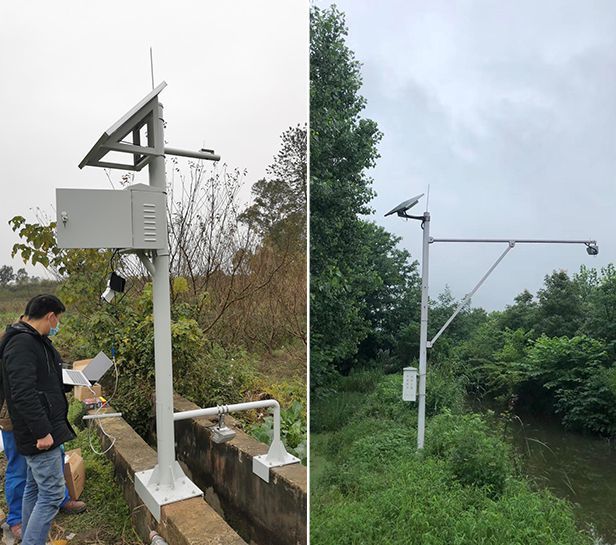
Operation Method: Ensure that the installation location is free from obstructions such as trees, bridges, or buildings that can interfere with radar signals. Additionally, consider flow conditions; it is best to install meters in areas where flow is stable and free from turbulence.
Suitable For: This technique is ideal for operators working in environments where water flow patterns are unpredictable. Evaluating site conditions can help avoid costly recalibrations.
Tip 2: Angling the Radar Sensor Correctly
Why: The angle of the radar sensor affects reflection and can lead to flawed measurements.
Operation Method: Install the radar flow meter at a precise angle of ±5 degrees, positioned at the channel's center for optimal measuring angles. For example, an improperly angled sensor may result in measurement errors of approximately 10%.
Suitable For: This method is particularly beneficial for those using radar meters in channels with varying geometrical profiles requiring consistent angle adjustments for accuracy.
Tip 3: Use Proper Mounting Hardware
Why: Sturdy mounting reduces vibrations that can skew readings.
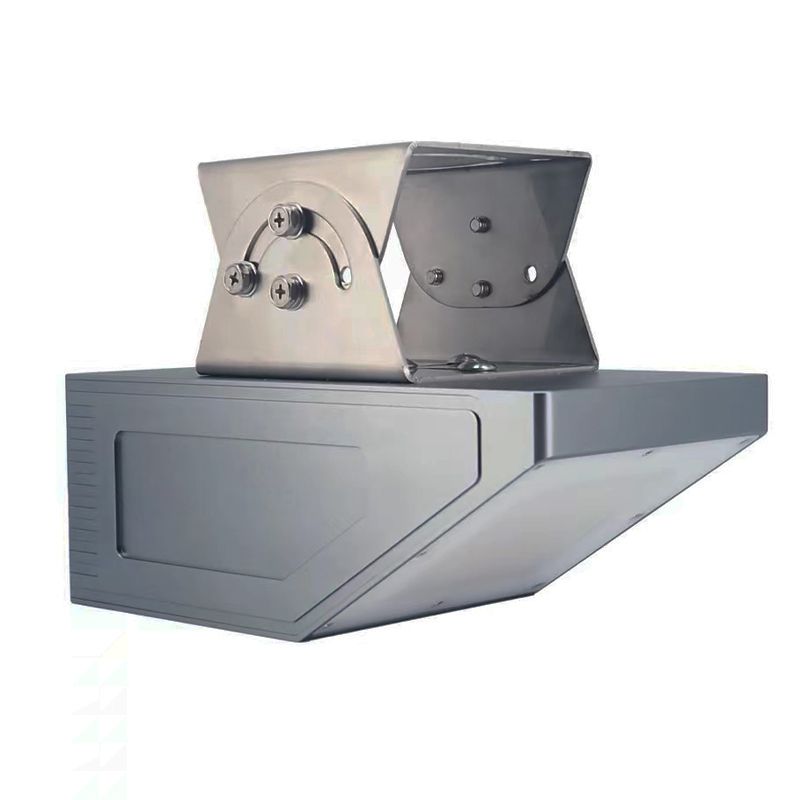
Operation Method: Utilize mounting brackets that are both durable and suitable for your channel type; this may include adjustable mounts to facilitate vertical alignment. Regular checks and maintenance on these installations can indicate more than 25% reduction in installation errors.
Suitable For: Best suited for industries where physical forces like wind or water movement can disturb meter readings, such as wastewater management facilities.
Tip 4: Conduct a Pre-Calibration Check
Why: Calibration ensures that the radar meter provides accurate readings from the outset.
Operation Method: Before starting the installation, perform a pre-calibration check using water levels known from a standard gauge. According to industry standards, having a calibrated radar meter reduces errors by up to 15% in initial readings.
Suitable For: This is ideal for facilities that demand high precision, like in research and development environments.
Tip 5: Regular Maintenance Checks
Why: Regular maintenance can extend the life of your radar flow meters and preserve accuracy.
Operation Method: Schedule biannual maintenance to inspect for wear, corrosion, and other potential issues. Reports suggest that systems with consistent maintenance checks can have measurement accuracy improved by approximately 20%.
Suitable For: Best for long-term installations in challenging environments where meter integrity is periodically at risk due to external factors.
Summary of Key Points
Installing radar open channel flow meters requires careful consideration of location, angle, mounting hardware, pre-calibration, and maintenance checks. Following these installation tips can significantly enhance measurement accuracy and operational efficiency. Each technique is designed for specific scenarios, ensuring that users can optimize their installations according to their unique challenges.
Frequently Asked Questions
What is the ideal location for installing a radar open channel flow meter?
The best location is one that avoids obstructions and where flow is stable. This can significantly reduce error rates as high as 30% commonly associated with improper positioning.
How often should I conduct maintenance checks on my radar flow meter?
It is recommended to conduct maintenance checks at least biannually to maintain accuracy and extend the lifespan of the meter. Regular maintenance can improve accuracy by approximately 20%.
Can environmental factors affect the performance of a radar open channel flow meter?
Yes, environmental factors such as wind, temperature, and humidity can influence radar signals and therefore impact measurements. Proper installation techniques can mitigate these issues significantly.
For further details on high-quality radar open channel flow meters, visit gallopsensor.
Aug. 24, 2026
Aug. 24, 2026
Aug. 24, 2026
Aug. 24, 2026
