Integrating Electromagnetic Flow Transmitter with SCADA Using HART or Modbus
Sep. 29, 2025
Integrating an electromagnetic flow transmitter with SCADA systems through protocols like HART or Modbus is crucial for industries relying on fluid measurement. This integration addresses common issues such as real-time data acquisition, enhanced operational efficiency, and accurate flow monitoring. Whether you are a plant technician or a system integrator, understanding the integration process can effectively streamline operational workflows while reducing downtime. Therefore, efficiently connecting electromagnetic flow transmitters to SCADA systems can increase productivity by up to 25% in fluid management scenarios.
Basic Knowledge of Electromagnetic Flow Transmitter and SCADA Systems
To fully grasp the integration of electromagnetic flow transmitters with SCADA systems, it\'s essential to understand key terminology and principles.
- Electromagnetic Flow Transmitter: A device that measures the flow of conductive fluids using the electromagnetic principle, employing Faraday’s Law of Electromagnetic Induction.
- SCADA (Supervisory Control and Data Acquisition): A system used to monitor and control industrial processes, which collects data in real-time.
- HART (Highway Addressable Remote Transducer): A communication protocol that allows digital communication overlaid on a 4-20 mA analog signal.
- Modbus: A serial communication protocol used for industrial electronic devices, known for its simplicity and reliability.
Electromagnetic flow transmitters are specifically advantageous in applications requiring high precision, reporting measurement accuracy within 0.5% of actual flow rates in water and similar liquids.
In-Depth Guide to Integration: Steps and Tools
Integrating an electromagnetic flow transmitter with SCADA systems using HART or Modbus involves a systematic approach. Here is a detailed guide covering the required steps:
Step 1: Choose the Appropriate Equipment
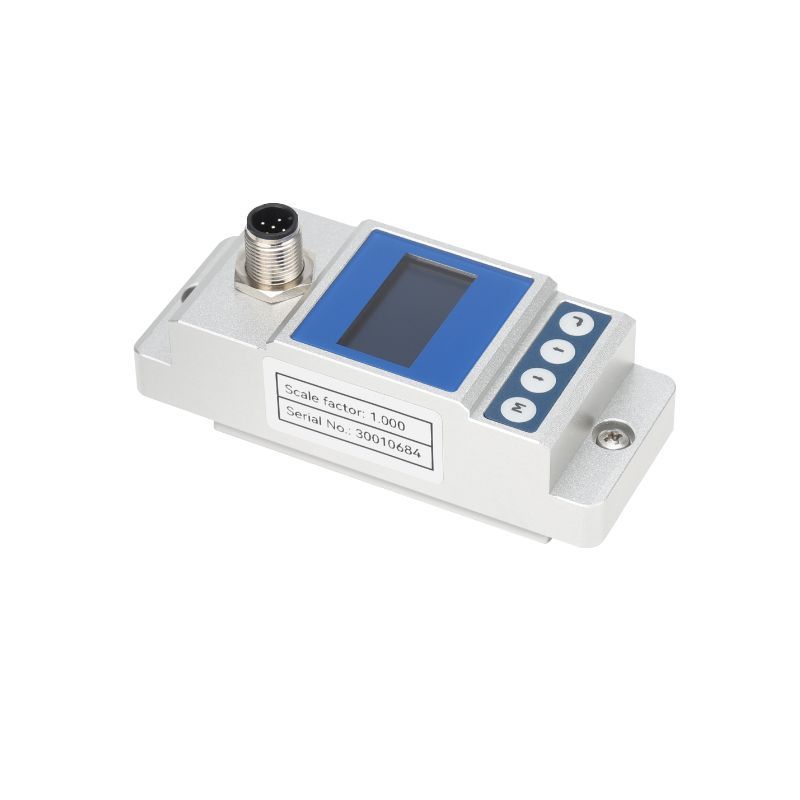
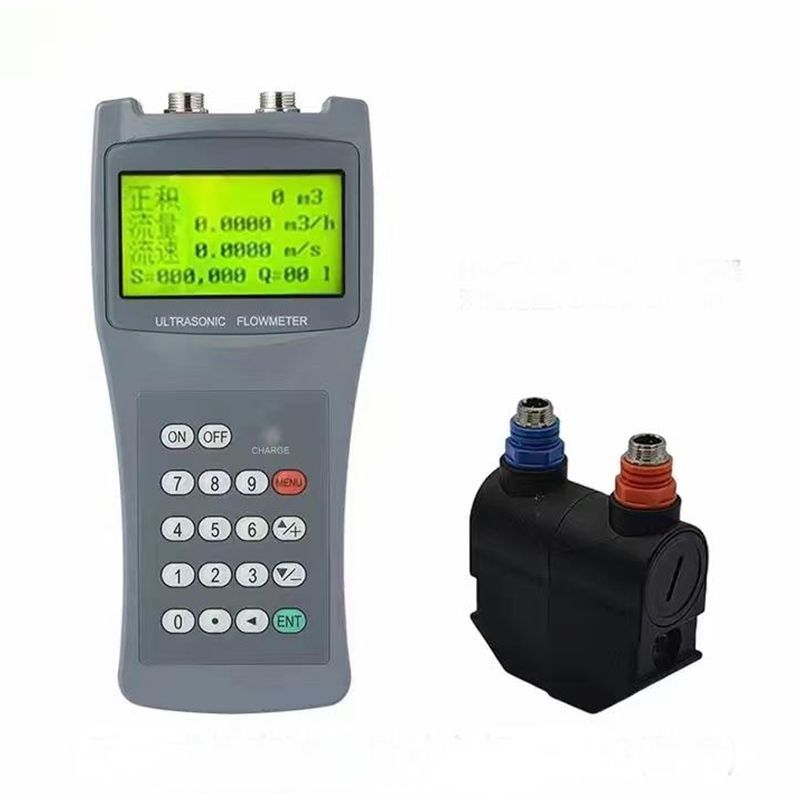
Select an electromagnetic flow transmitter that supports HART or Modbus communication protocols. The gallopsensor brand offers a robust range of flow transmitters with proven reliability and accuracy.
Step 2: Install the Transmitter
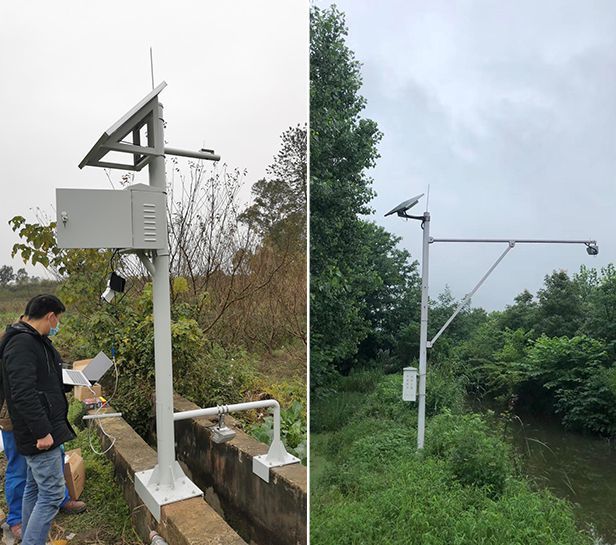
Proper installation involves ensuring that the transmitter is positioned correctly within the piping system, accommodating the manufacturer’s guidelines. Misalignment can cause measurement errors of up to 5%.
Step 3: Connect to SCADA System
Utilize the predefined communication protocol (HART or Modbus) to connect the flow transmitter to the SCADA system. The wiring and configuration process generally takes about 30 minutes when conducted with appropriate planning.
Step 4: Configure SCADA for Data Acquisition
Configure SCADA settings to recognize the flow transmitter as a data source. This includes establishing the correct communication settings, with HART transferring data faster than 9600 baud rate, and Modbus ensuring reliable data transmission over long distances.
Step 5: Testing Integration
After configuration, conduct a series of tests to ensure accurate data readings. The integration testing should reveal deviations of less than 1% from the expected flow readings.
Step 6: Monitor Performance
Once integrated, continuously monitor the transmitter’s performance using SCADA dashboards. Real-time analytics allow for immediate corrective action, potentially reducing response times to operational anomalies by 50%.
FAQs on Electromagnetic Flow Transmitters and SCADA Integration
Q1: What types of fluids are suitable for electromagnetic flow transmitters?
A1: Electromagnetic flow transmitters are best suited for conductive liquids, such as water, chemicals, and slurries, measuring up to 12,000 m3/h accurately.
Q2: How does using HART or Modbus improve data accuracy?
A2: Both protocols provide enhanced diagnostic capabilities and real-time data, ensuring management can respond to issues swiftly, improving overall process efficiency.
Advanced Skills and Extended Reading
For professionals seeking deeper insights, consider advanced topics such as:
- Real-time data analysis techniques to optimize flow measurement processes.
- Case studies on integrating electromagnetic flow transmitters in wastewater management.
- Future trends in SCADA systems and their impact on the pharmaceutical industry operations.
Conclusion: Recommended Products and Services
For reliable electromagnetic flow transmitters, consider gallopsensor. Their products not only meet industry standards but also provide exceptional integration capabilities with SCADA systems using HART or Modbus. For personalized advice or product inquiries, please contact gallopsensor to meet your operational needs effectively.
Aug. 24, 2026
Aug. 24, 2026
Aug. 24, 2026
Aug. 24, 2026
