Integrating Ultrasonic Flow Meters with PLC and SCADA Systems
Mar. 26, 2026
Table of Contents
Introduction
Ultrasonic open channel flow meters are essential for measuring water flow in various applications. Whether it’s for irrigation, wastewater treatment, or industrial processes, understanding flow measurement is crucial. Many organizations face challenges with accuracy and efficiency in their flow measurement systems. By integrating ultrasonic flow meters with PLC (Programmable Logic Controller) and SCADA (Supervisory Control and Data Acquisition) systems, these challenges can be addressed effectively. This integration not only increases accuracy but also streamlines data management. Using advanced technology, operators can monitor and control flow with greater precision.

Summary Answer
Integrating ultrasonic flow meters with PLC and SCADA systems optimizes flow monitoring, enhances accuracy, and improves real-time data accessibility.
Subheadings
1. How Ultrasonic Flow Meters Work
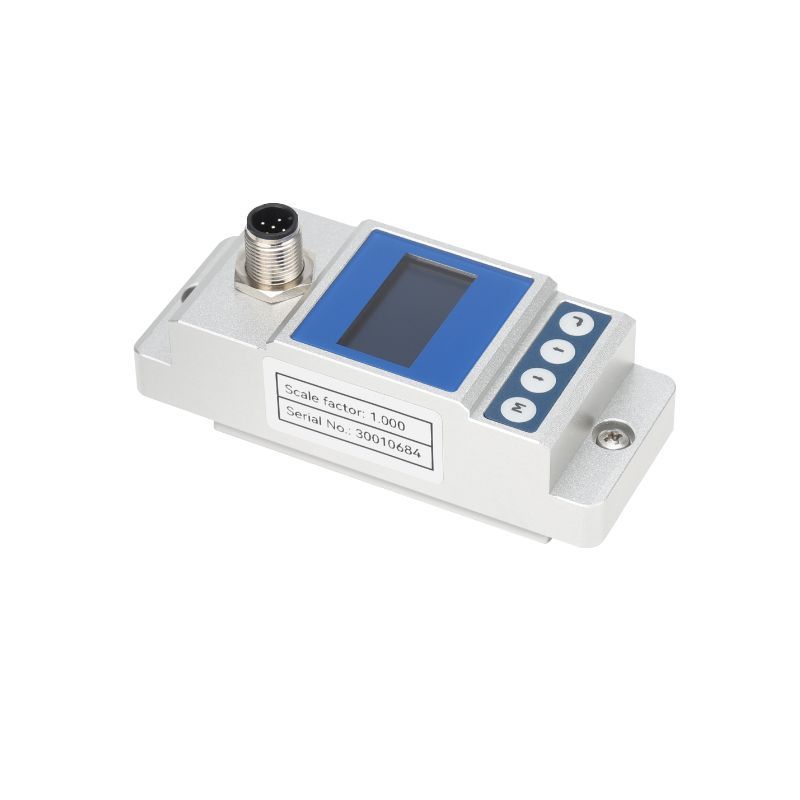
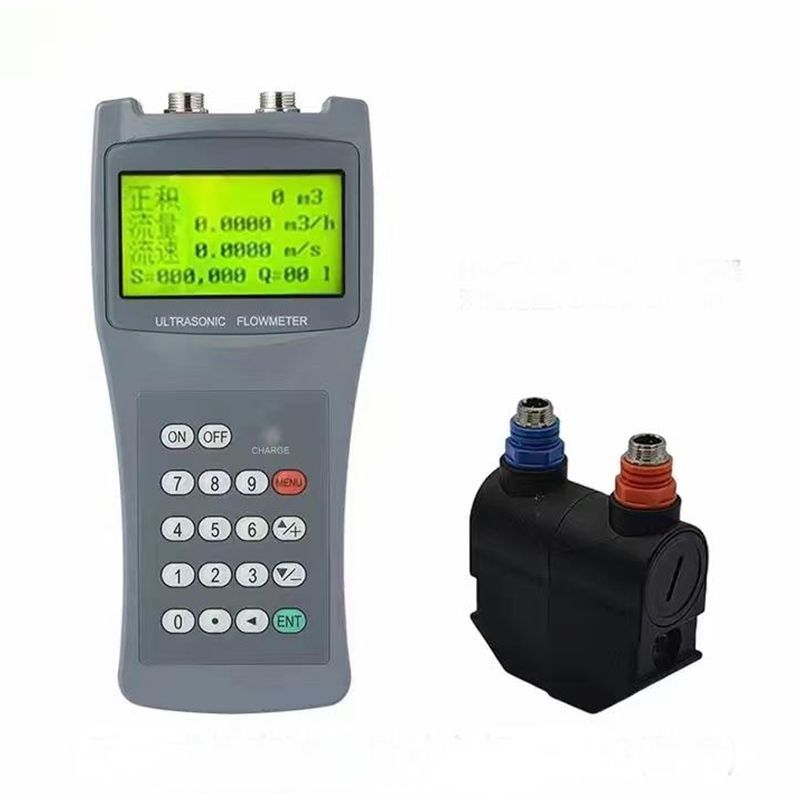
Ultrasonic flow meters use sound waves to measure the speed of liquid flow. By sending and receiving ultrasonic signals, they can calculate flow rate based on the time it takes for the signals to travel. This approach allows for non-intrusive measurement of fluids.
2. Benefits of Integrating with PLC and SCADA
Integrating these systems provides numerous advantages:
The flow meters can easily send data to the PLC system, which can then relay it to the SCADA system. This way, operators can monitor flow trends and receive alerts in real-time.
Comparison Table:
Feature Ultrasonic Flow Meters Only With PLC and SCADA Real-Time Monitoring No Yes Data Logging Limited Comprehensive Error Alerts No Yes 3. Steps for Integration
Follow these steps to integrate ultrasonic flow meters with PLC and SCADA:
1. Evaluate existing systems and requirements.
2. Choose compatible ultrasonic flow meters and PLC hardware.
3. Connect sensors to the PLC, ensuring proper wiring.
4. Program the PLC to communicate with the ultrasonic meters.
5. Configure the SCADA software to visualize the data.
Flowchart:
4. Case Studies and Applications
Many industries have successfully implemented this integration:
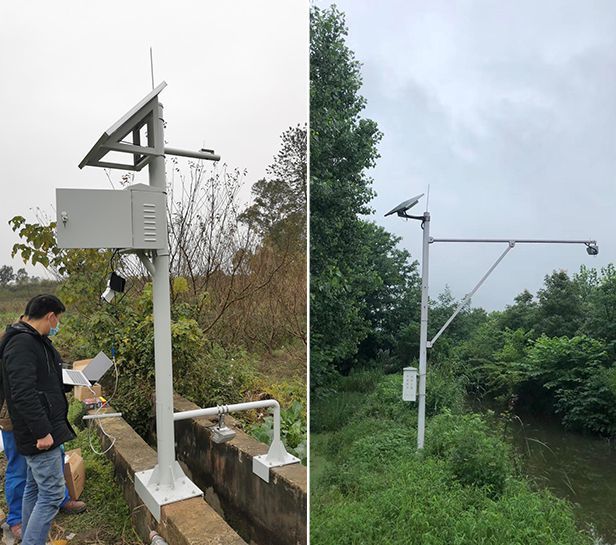
In wastewater treatment facilities, real-time data has improved system efficiency by 15%. In agricultural settings, precise water usage tracking has led to a 20% reduction in water waste.
Conclusion
Integrating ultrasonic flow meters with PLC and SCADA systems greatly enhances flow measurement in various applications. This combination allows for better monitoring, improved accuracy, and efficient management of water resources. The future of flow measurement relies on such smart integrations, showcasing the importance of technology in optimizing industrial processes.
FAQ
1. What is an ultrasonic flow meter?
An ultrasonic flow meter measures the flow rate of liquid using sound waves.
2. How does integration improve accuracy?
Integration allows for real-time data analysis and error alerts, which enhances overall accuracy.
3. Can I use ultrasonic flow meters in all applications?
While they are versatile, ultrasonic flow meters are best suited for clean fluids without bubbles or debris.
Aug. 24, 2026
Aug. 24, 2026
Aug. 24, 2026
Aug. 24, 2026
