Integrating Ultrasonic Open Channel Flow Meters into Municipal Water Management
Mar. 28, 2026
Table of Contents
1. Understanding Ultrasonic Open Channel Flow Meters
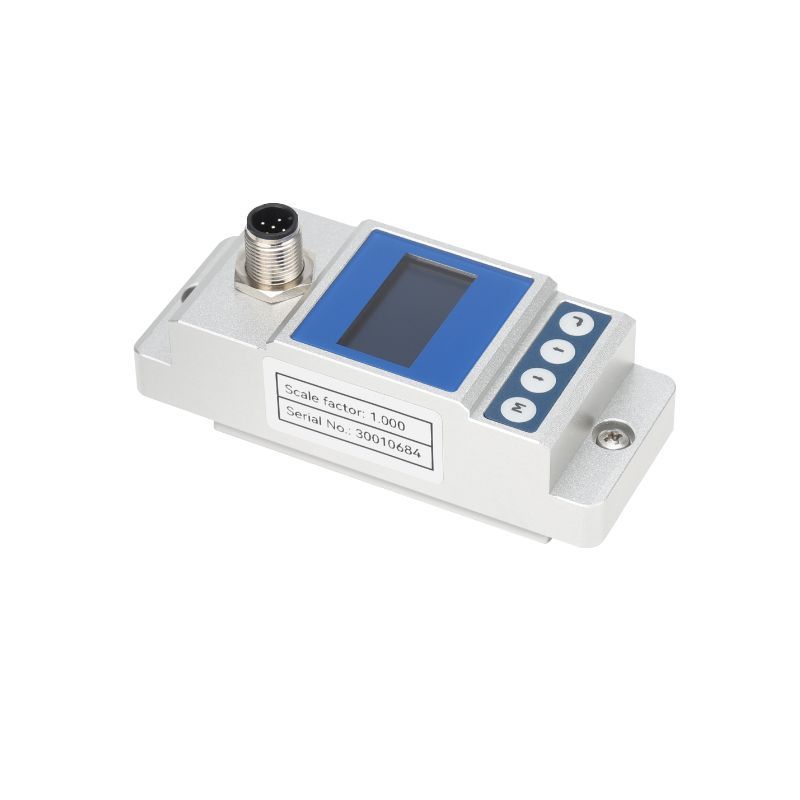
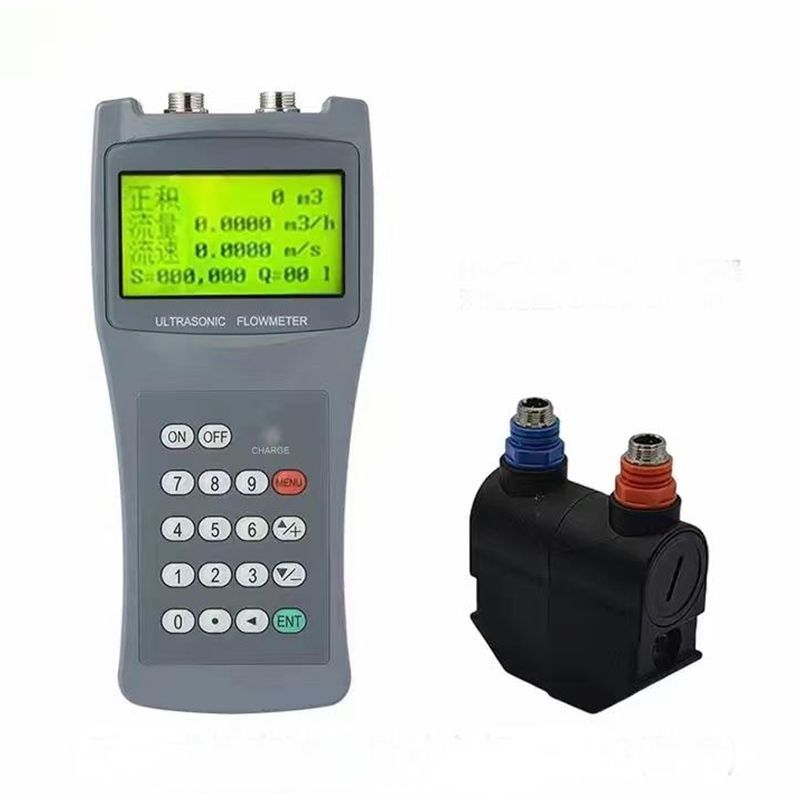
Ultrasonic open channel flow meters utilize sound waves to measure the flow rate of liquids in open channels. This non-invasive technology is essential in the accurate measurement of water flow. These devices operate by emitting ultrasonic pulses that reflect off the surface of the liquid. The time taken for the echoes to return determines the flow velocity. This method is precise and reliable, which is critical in municipal water systems where accurate data minimizes waste and optimizes resource management.
2. Importance in Municipal Water Management
Effective municipal water management relies on accurate flow data. Integrating ultrasonic open channel flow meters can greatly enhance water utility operations. Here are the primary reasons for their adoption:
- Regulatory Compliance: Meeting local and national standards for water measurement.
- Data Accuracy: Providing reliable measurements for planning and management.
- Resource Efficiency: Minimizing water loss through precise monitoring.
- Cost Reduction: Lowering operational costs through automation and accurate billing.
3. Advantages of Ultrasonic Technology
Ultrasonic open channel flow meters offer multiple advantages:
- Non-Intrusive: No moving parts lead to minimal wear and tear.
- Real-Time Data: Continuous monitoring for immediate insights.
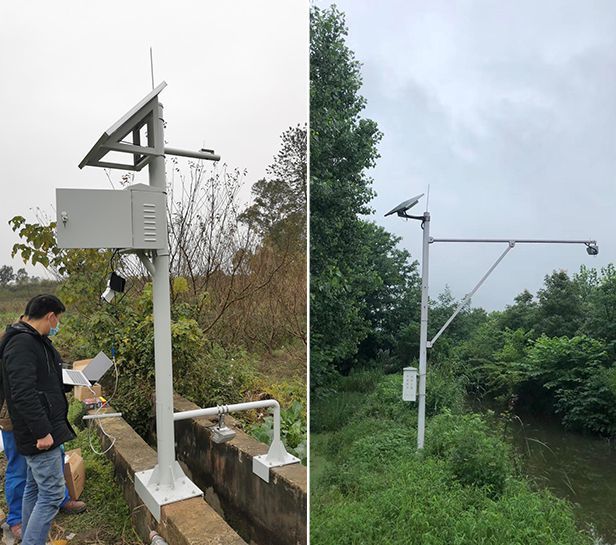
- Easy Installation: Can be retrofitted into existing systems without significant modifications.
- Low Maintenance: Requires minimal upkeep compared to traditional methods.
Case/Data Insights
For instance, a municipal water utility adopted ultrasonic meters and reported a 15% reduction in water losses within the first year. This translates to annual savings of approximately $250,000 based on operational costs.
4. Steps for Successful Integration
To effectively integrate ultrasonic flow meters into municipal water management systems, follow these steps:
- Define Objectives: Establish clear goals for what the integration should achieve.
- Select Appropriate Technology: Choose meters based on channel conditions and water types.
- Conduct Site Assessments: Analyze conditions at installation locations.
- Installation: Follow guidelines for proper setup and configuration.
- Training: Ensure staff are trained on the new systems and technology.
Flow Chart of Integration Process

5. Case Studies and Data Insights
Several cities have successfully integrated ultrasonic open channel flow meters:
- City A: Reported up to 20% improvement in data accuracy and operational efficiency.
- City B: Achieved a sustained reduction of 500,000 gallons in monthly water loss over two years.
Comparison Table
| City | Water Loss Reduction (%) | Annual Savings ($) |
|---|---|---|
| City A | 20% | 300,000 |
| City B | 25% | 500,000 |
6. Future Trends in Water Management
The future of municipal water management is leaning towards smarter systems. Emerging trends include:
- Advanced Data Analytics: Harnessing AI to better interpret flow data.
- Integration with IoT: Enhanced monitoring capabilities and automation.
- Sustainability Practices: Aiming for water conservation and sustainable usage.
- Smart Billing Systems: Using real-time data for accurate customer billing.
Conclusion
The integration of ultrasonic open channel flow meters presents an opportunity for municipalities to enhance water management practices. With benefits such as improved efficiency, reduced costs, and better resource management, municipalities can take a significant step towards sustainability and reliability in their services.
Aug. 24, 2026
Aug. 24, 2026
Aug. 24, 2026
Aug. 24, 2026
