Maintenance Tips for Radar Open Channel Flow Meters
Jul. 29, 2026
Essential Maintenance Tips for Radar open channel flow meters
Radar open channel flow meters are critical in accurately measuring water flow in various industries, including wastewater treatment and industrial applications. However, improper maintenance can lead to inaccurate readings and compromised data integrity. This article will provide actionable maintenance tips to ensure optimal performance of your radar open channel flow meter. Following these suggestions can help prevent operational downtime, reduce costs, and enhance measurement accuracy, ensuring you maximize the benefits of your investment in devices like those from gallopsensor.
1. Regular Calibration
Why it’s important: Calibration ensures measurement accuracy, which directly affects operational decisions.
To maintain precise flow measurements, perform a calibration check every six months. Use a calibrated reference standard for comparison. Make adjustments as necessary based on manufacturer specifications. For high-flow environments, consider quarterly checks. Regular calibration is crucial for users in municipalities and industrial flow monitoring, where discrepancies can lead to significant financial implications.
2. Clean the Sensor Surface
Why it’s important: Debris and biofilm can obstruct the sensor, leading to erroneous readings.
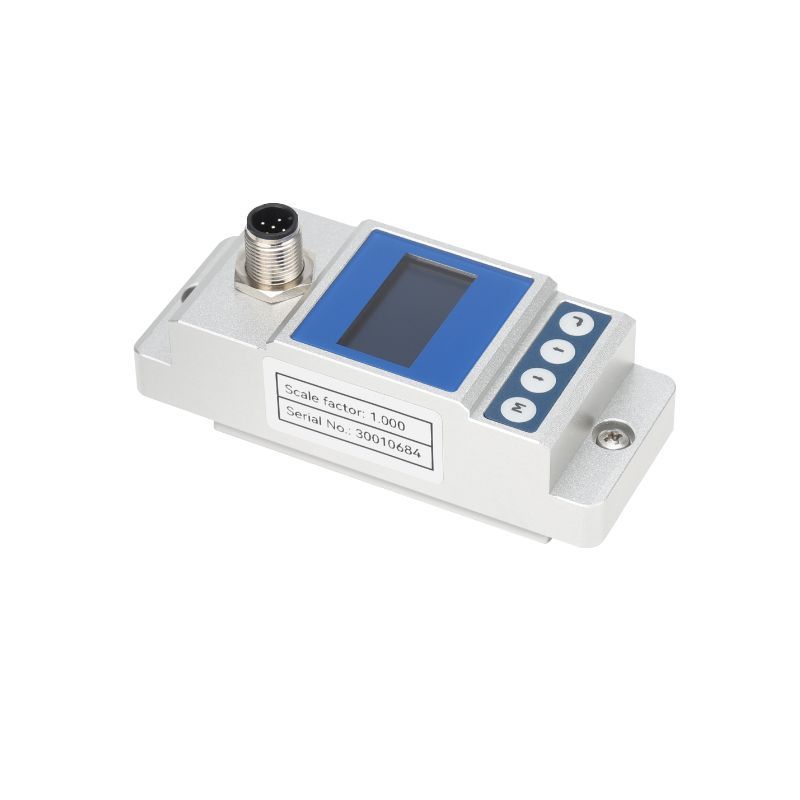
Inspect the radar sensor at least monthly for buildup of materials like algae, dirt, or debris. Use non-abrasive cleaning agents and soft cloths to gently wipe the sensor surface without scratching it. This practice is particularly beneficial for operators in environments with substantial organic matter, ensuring reliable readings and system efficacy.
3. Inspect Wiring and Connections
Why it’s important: Damaged connections can lead to operational failure, impacting data collection.
Conduct a physical inspection of all electrical connections every three months. Look for signs of wear or corrosion, and replace damaged wires immediately. A robust electrical connection is essential for users in industries with variable environmental conditions, as reliable data transmission is vital for process control.
4. Monitor Ambient Conditions
Why it’s important: Extreme weather conditions can impact the performance of radar sensors.
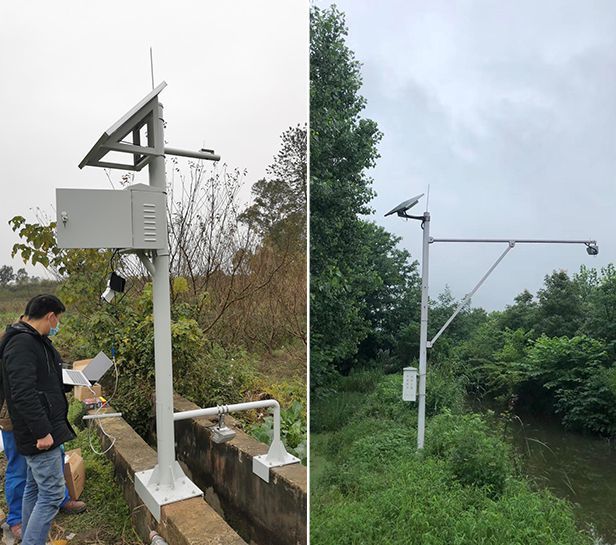
Keep an eye on environmental factors such as temperature and humidity. In areas prone to extreme conditions, consider installing protective housing to shield sensors. For instance, if the radar flow meter is located in a region with freezing temperatures, insulated enclosures can mitigate risks of sensor failure. Users operating in harsh environments will find this especially critical for maintaining data integrity.
5. Update Firmware Regularly
Why it’s important: Firmware updates can enhance functionality and address bugs.
Check for updates from gallopsensor every few months. Applying these updates helps to utilize the latest features and fixes identified by manufacturers. This practice is particularly useful for facility managers who depend on the latest technology to ensure operational efficiency and streamline monitoring processes.
6. Document Maintenance Activities
Why it’s important: Keeping track of maintenance ensures accountability and eases troubleshooting.
Create a maintenance log that records calibration dates, cleaning schedules, inspection notes, and firmware updates. For large organizations, this will facilitate compliance with regulatory standards and help spot patterns in system performance that can inform better operational strategies.
Summary
Regular maintenance of radar open channel flow meters is essential for achieving accurate readings and avoiding costly errors. Following these tips—calibration, cleaning, inspecting wiring, monitoring environmental conditions, updating firmware, and documenting all activities—will not only enhance the lifespan of your flow meter but also optimize its performance in critical applications.
FAQs
Q1: How often should I calibrate my radar open channel flow meter?
A1: Calibration is recommended every six months, but in high-flow or critical environments, quarterly checks may be beneficial.
Q2: What cleaning agents are safe for radar sensors?
A2: Non-abrasive cleaning agents are safest; avoid products that may scratch or damage the sensor.
Q3: How do I know if my wiring is damaged?
A3: Look for frayed wires, corrosion at connection points, or intermittent connectivity as signs of damage.
Aug. 24, 2026
Aug. 24, 2026
Aug. 24, 2026
Aug. 24, 2026
