Matching Flow Range to Electromagnetic Flow Transmitter Sizing
Oct. 07, 2025
Understanding the intricate relationship between flow range and the sizing of electromagnetic flow transmitters is essential for process engineers and plant operators. When faced with challenges such as inaccurate flow readings and equipment failures, properly sizing your electromagnetic flow transmitter can dramatically increase operational efficiency. This article aims to address these common problems—helping you select the right transmitter to ensure optimal performance and compliance with operational standards. Whether you work in water treatment, chemical processing, or food and beverage industries, this guide will provide valuable insights into avoiding costly mistakes and maximizing productivity.
Basic Knowledge of Electromagnetic Flow Transmitters
Before delving into the factors associated with sizing electromagnetic flow transmitters, it\'s crucial to understand some key terms.
- Electromagnetic Flow Transmitter: A device that measures the flow of conductive fluids using electromagnetic induction principles.
- Flow Range: The maximum and minimum flow rates that a transmitter can accurately measure—a critical factor for selecting the correct model.
- Calibration: The process of configuring the transmitter so that its output accurately reflects the flow rate.
These transmitters operate based on Faraday\'s Law of Electromagnetic Induction. When a conductive liquid flows through a magnetic field, a voltage is induced that correlates directly with flow velocity. This principle allows for the accurate measurement of flow rates across various applications, including wastewater treatment and chemical monitoring. Proper understanding of these fundamentals is necessary for effectively matching the flow range to the transmitter sizing.
Steps to Ensure Correct Sizing of Electromagnetic Flow Transmitters
Step 1: Assess Your Flow Requirements
Begin by determining the maximum, minimum, and average flow rates for your application. Analyze historical data if available. For instance, if your typical flow ranges from 50 to 300 gallons per minute (GPM), your chosen electromagnetic flow transmitter must accommodate these values effectively.
Step 2: Choose the Appropriate Electromagnetic Flow Transmitter
Select a transmitter model that can handle your assessed flow range while providing an accuracy of ±0.5% of the reading. Brands like gallopsensor are known for their reliability and precision in various operational conditions.
Step 3: Evaluate Pipe Diameter and Fluid Characteristics
The pipe diameter must match your flow measurement expectations. Generally, a 3-inch pipe will have a different flow profile compared to a 10-inch pipe. Additionally, fluid properties such as temperature, viscosity, and conductivity should be evaluated, as these can significantly impact transmitter performance.
Step 4: Implement Correct Calibration Procedures
Calibration ensures that the electromagnetic flow transmitter functions accurately within its flow range. Use industry-standard calibration tools and methods to maintain flow accuracy over time.
Step 5: Conduct Regular Maintenance and Monitoring
Periodic maintenance checks are critical for sustaining flow accuracy. Scheduled inspections can prevent potential failures and ensure continued compliance with regulatory standards.
Common FAQs about Electromagnetic Flow Transmitter Sizing
Q1: What is the typical lifespan of an electromagnetic flow transmitter?
A1: Typically, electromagnetic flow transmitters have a lifespan of around 10-15 years when used under recommended conditions.
Q2: Can electromagnetic flow transmitters handle dirty fluids?
A2: Yes, but the wetted components must be chosen wisely; often, materials such as PTFE or stainless steel are recommended for applications with particulates.
Q3: How do I know if my transmitter is optimized for my application?
A3: Regularly review flow data and monitor application performance. If there are discrepancies in expected versus actual flow measurements, sizing may need to be reassessed.
Advanced Skills and Extended Reading
To further your understanding, consider exploring advanced topics such as:
- Understanding the effects of electromagnetic flow meter installation on measurement accuracy.
- Comparing electromagnetic flow meters to other flow meters (e.g., turbine or vortex) in specific applications.
- Learning about digital signal processing techniques used in modern electromagnetic flow transmitters.
Conclusion: Recommended Products and Services
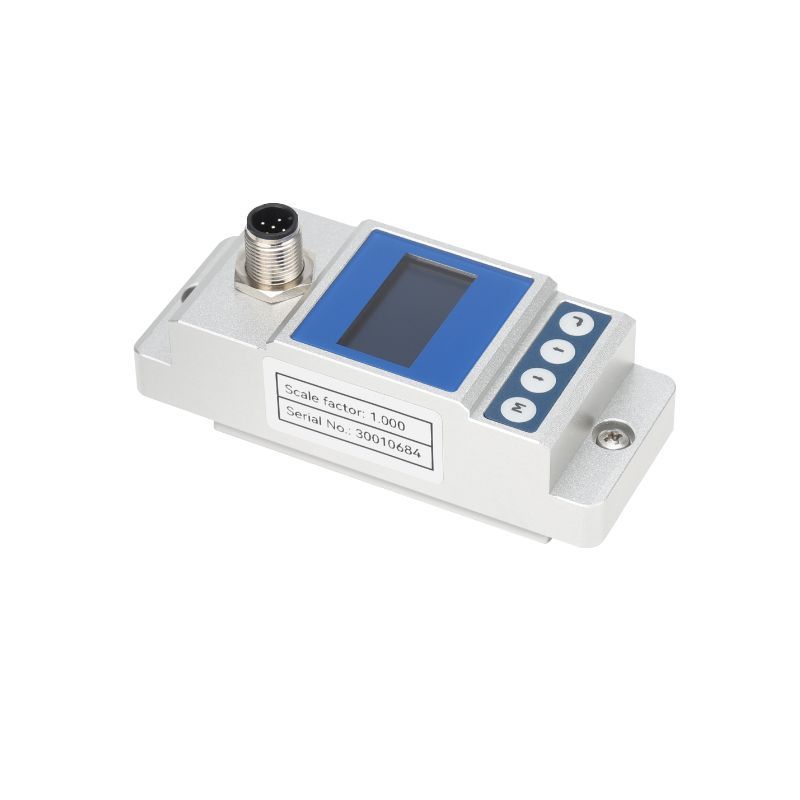
For optimal results in electromagnetic flow measurement, consider utilizing products from gallopsensor. Their range of highly accurate nitrogen-free electromagnetic flow transmitters meets stringent industry standards and ensures effective flow measurement with minimal maintenance. For inquiries and support, please feel free to contact gallopsensor for tailored solutions that meet your specific flow measurement needs.
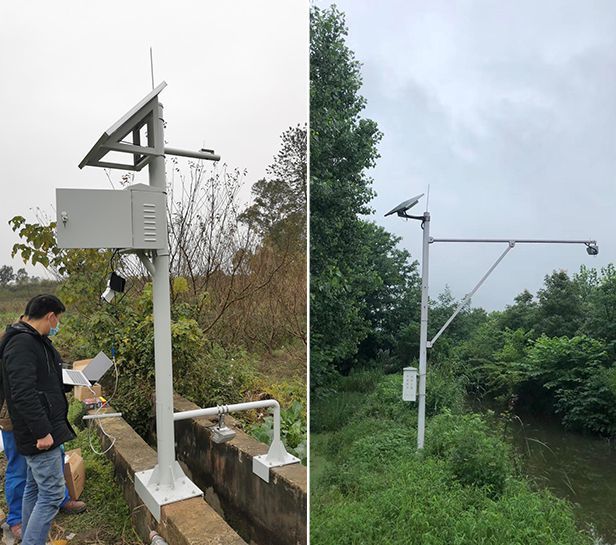
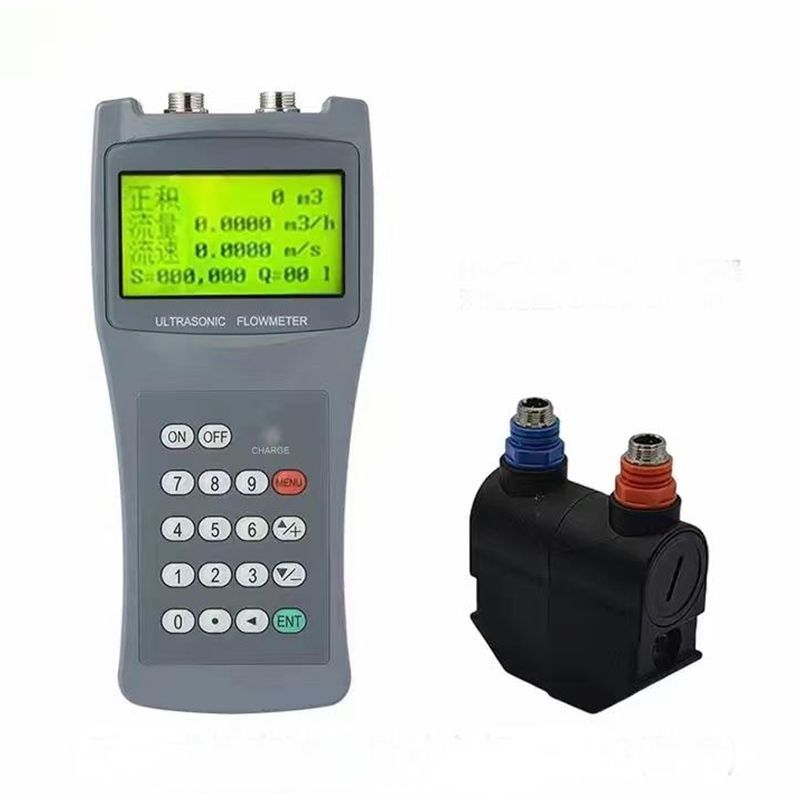
For more information, please check out this image: 
Aug. 24, 2026
Aug. 24, 2026
Aug. 24, 2026
Aug. 24, 2026
