2.1 Reliability and Accuracy
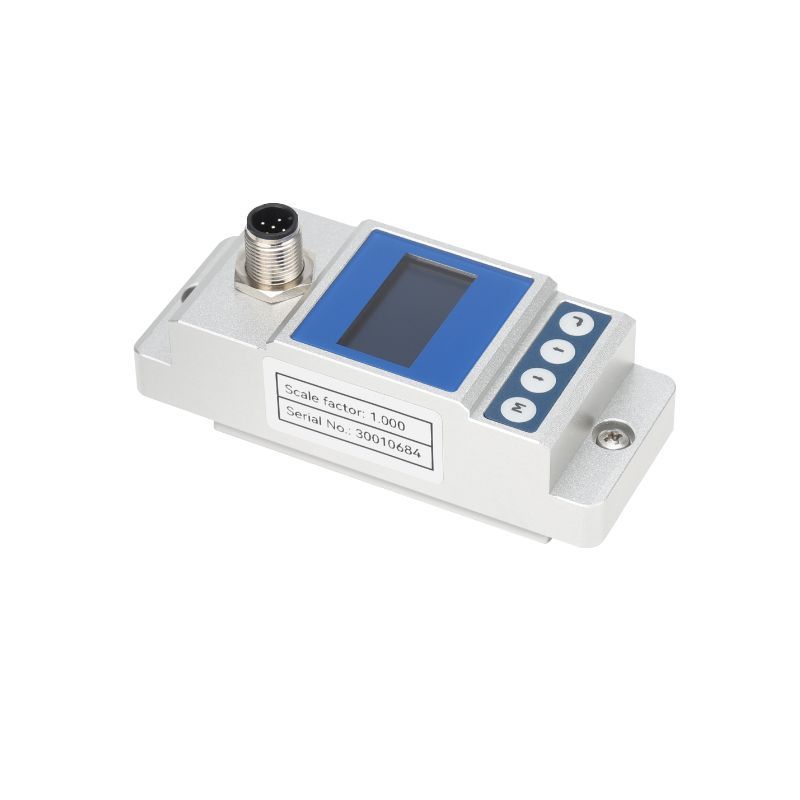
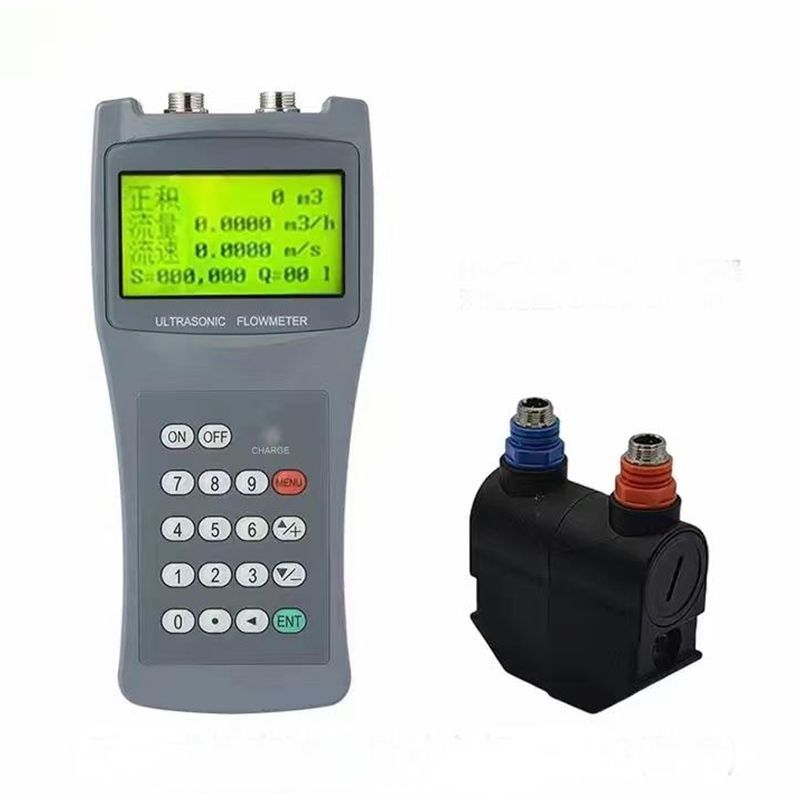
Ultrasonic flow meters are known for their ability to provide precise and consistent measurements of sewage flow rates. By utilizing advanced signal processing algorithms, they can accurately measure the flow of liquids in various conditions, overcoming challenges posed by turbulent flows and varying liquid characteristics.
2.2 Cost Efficiency
The initial investment in ultrasonic technology may seem high, but the long-term savings can be significant. Reducing the frequency of manual readings, minimizing downtime, and decreasing maintenance costs ultimately lead to lower operational costs for municipalities over time.
2.3 Environmental Impact
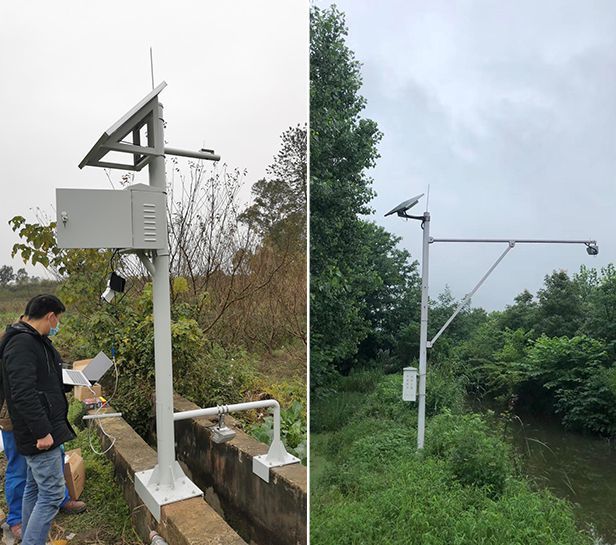
By monitoring sewage channels more effectively, municipalities can identify leaks and overflow issues promptly, mitigating environmental hazards. This proactive approach plays a vital role in protecting local ecosystems and complies with environmental regulations, which are becoming increasingly stringent across the globe.
2.4 Low Maintenance Requirements
Ultrasonic flow meters are designed with fewer moving parts, which results in less wear and tear compared to traditional mechanical meters. This reliability translates to reduced maintenance needs and longer device lifespan, providing municipalities with dependable monitoring solutions.
2.5 Case Studies and Data Insights
Various municipalities have successfully implemented ultrasonic technology to enhance their sewage monitoring capabilities. For instance, a recent study indicated a 30% improvement in measurement accuracy compared to previous methods, translating to a better allocation of resources and timely responses to sewage management issues.