Multi-Site Water Flow Monitoring Using Networked Ultrasonic Meters
Jan. 28, 2026
Table of Contents
1. Introduction
Multi-site water flow monitoring using networked ultrasonic meters is becoming increasingly essential. Accurate flow measurement helps in managing water resources effectively. Traditional methods often struggle with precision and can be costly. Ultrasonic meters overcome these problems by providing real-time data across multiple locations. This leads to better decision-making for water distribution systems. Understanding how these meters work can help various industries improve their operation.

2. Summary Answer
Networked ultrasonic meters efficiently monitor water flow across multiple sites with high accuracy, offering real-time data for better management.
3. Key Features of Ultrasonic Meters
1. High Accuracy
Ultrasonic meters can measure flow rates accurately within a range of 0.1% to 1%. This precision helps in billing and regulatory compliance.
2. Real-Time Monitoring
These meters continuously provide data, allowing operators to react quickly to changes. This feature can prevent leaks and overflows, reducing water loss.
3. Remote Accessibility
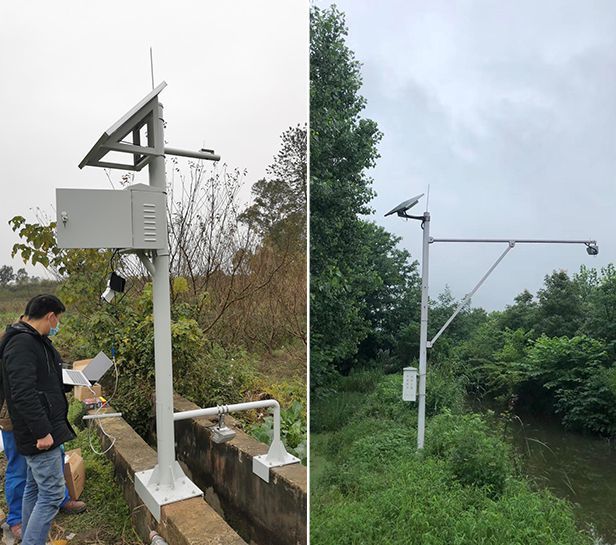
Networked ultrasonic meters can be accessed remotely. Operators can view data from different locations through a centralized system. This convenience saves time and improves management.
4. Cost-Effectiveness
Initial investments in ultrasonic meters are offset by long-term savings. These meters require less maintenance compared to mechanical meters.
5. Versatility
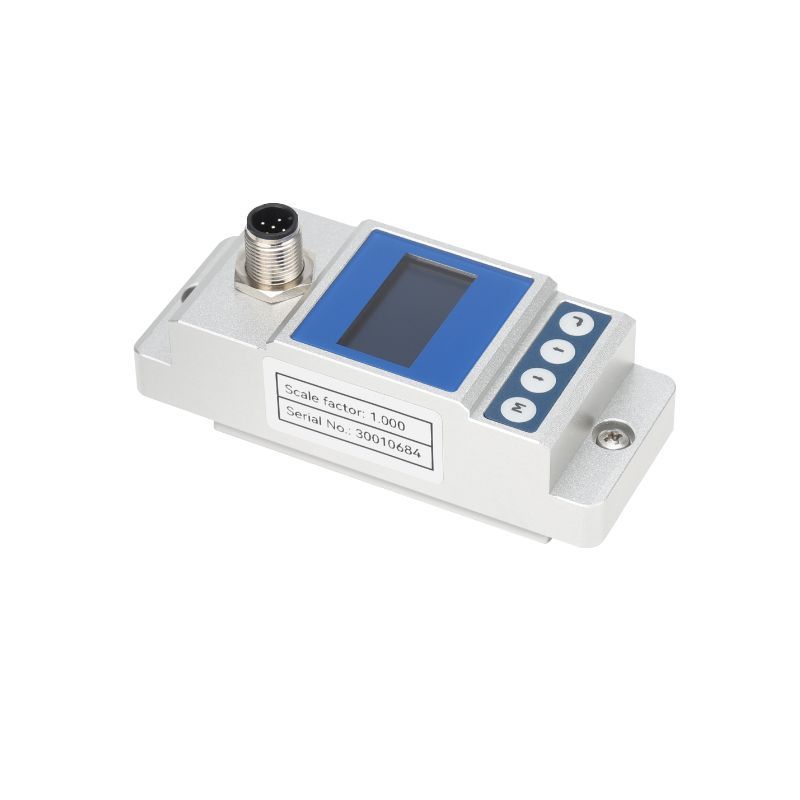
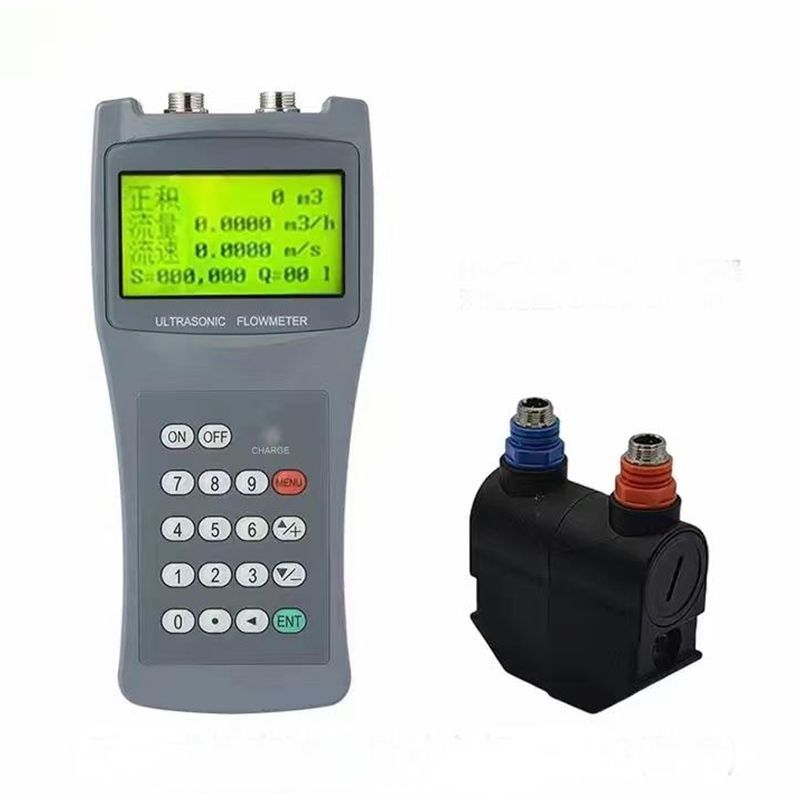
Ultrasonic flow meters are suitable for various applications, including irrigation, water treatment, and industrial processes. Their flexibility meets various monitoring needs.
6. Installation and Setup
Installing ultrasonic meters is generally straightforward. Depending on the system, installation can be completed in several steps:
- Choose the appropriate site for the meter.
- Follow guidelines for sensor placement.
- Connect to the network for data transmission.
- Set up the monitoring system for data visualization.
4. Conclusion
In conclusion, multi-site water flow monitoring using networked ultrasonic meters is crucial for effective water management. These meters provide high accuracy, real-time monitoring, and remote data accessibility. Their cost-effectiveness and versatility make them a superior choice for various industries. As water resources become scarcer, using ultrasonic meters in monitoring will help mitigate issues and promote sustainability.
5. FAQ
Q: How do ultrasonic flow meters differ from mechanical meters?
A: Ultrasonic flow meters are more accurate, require less maintenance, and provide real-time data compared to mechanical meters.
Q: Can ultrasonic meters be used for wastewater monitoring?
A: Yes, ultrasonic meters are suitable for various applications, including wastewater monitoring, thanks to their versatility.
Q: What is the typical lifespan of an ultrasonic flow meter?
A: Most ultrasonic meters have a lifespan of 10 to 15 years, depending on maintenance and environmental conditions.
Q: Do ultrasonic meters require calibration?
A: Yes, periodic calibration is necessary to maintain accuracy and reliability over time.
Q: How are data from ultrasonic meters transmitted?
A: Data is typically transmitted via wireless networks, allowing for remote monitoring and management.
Aug. 24, 2026
Aug. 24, 2026
Aug. 24, 2026
Aug. 24, 2026
