Municipal Engineers Rely on Wireless Electromagnetic Flow Transmitter for Remote Sites
Sep. 09, 2025
Table of Contents
Introduction
Municipal engineers face unique challenges when working in remote sites. They need reliable systems to measure water flow accurately. A wireless electromagnetic flow transmitter provides an effective solution. This technology offers precise measurements and helps monitor water usage efficiently. In many cases, traditional methods fail to meet the demands of these remote locations. Municipal engineers can finally overcome obstacles using this advanced technology.
Summary Answer
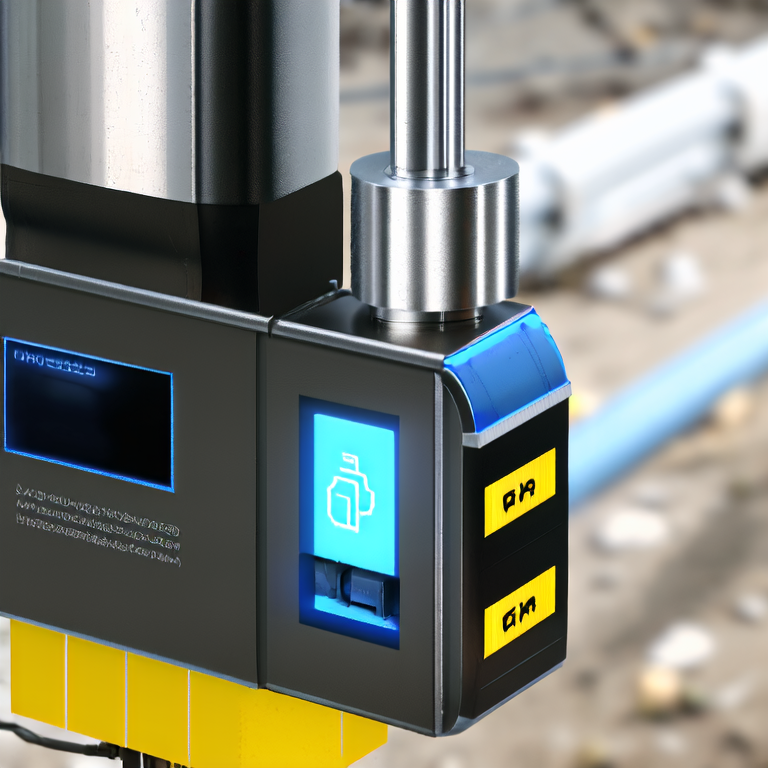
Municipal engineers rely on wireless electromagnetic flow transmitters for remote sites due to their precision, flexibility, and ease of installation.
Why Choose Wireless Electromagnetic Flow Transmitters?
-
1. Accurate Measurements
Wireless electromagnetic flow transmitters provide highly accurate flow measurements. They can operate effectively in various conditions, ensuring reliable data collection.
-
2. Remote Accessibility
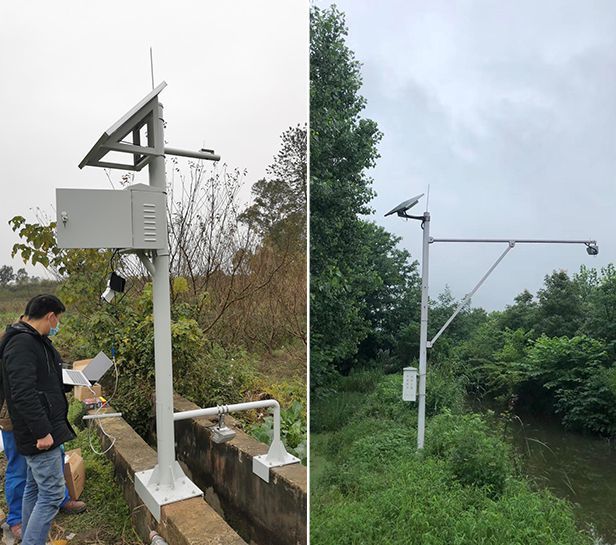
These transmitters are designed for remote operations. Municipal engineers can monitor systems without being physically present. This reduces the time and costs associated with travel.
-
3. Flexibility of Use
Wireless electromagnetic flow transmitters can adapt to various applications. Whether used for water treatment or distribution, they meet diverse engineering needs.
-
4. Reduced Installation Costs
The installation process is simpler than traditional methods. Engineers can set up wireless systems quickly, saving time and money.
-
5. Real-Time Data Monitoring
These transmitters provide real-time data. This capability allows engineers to make informed decisions quickly. They can respond faster to any changes in flow conditions.
-
6. Maintenance Benefits
Wireless electromagnetic flow transmitters require less maintenance than mechanical systems. This feature leads to lower operational costs over time.
Conclusion
In summary, municipal engineers rely on wireless electromagnetic flow transmitters for remote sites because they offer accurate measurements, ease of installation, and real-time data monitoring. This technology provides essential support in managing water flow effectively. Adopting these advanced systems can lead to significant improvements in municipal engineering practices.
FAQ
Q: What is a wireless electromagnetic flow transmitter?
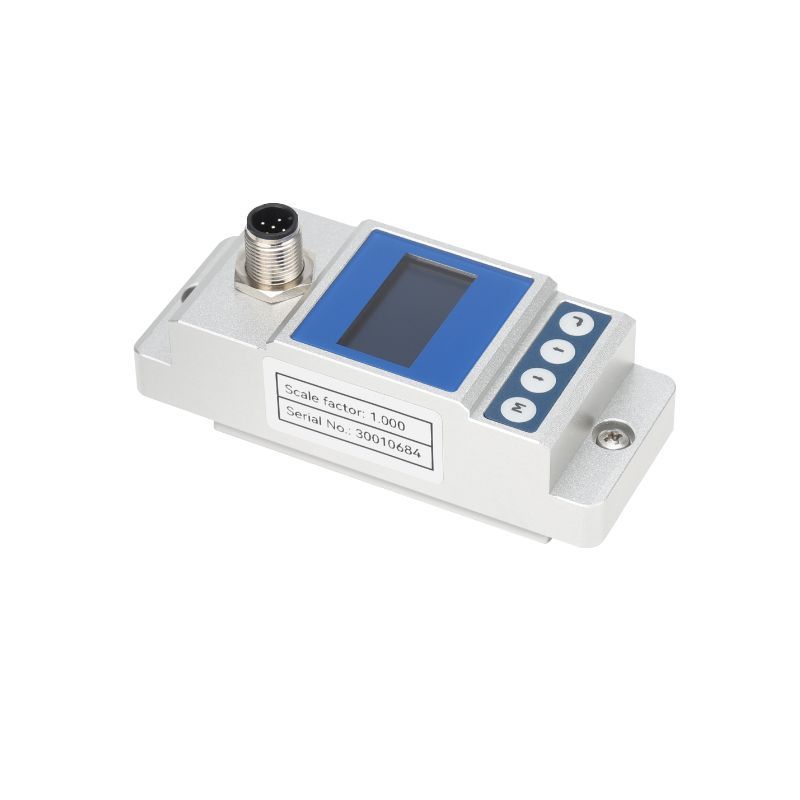
A: A wireless electromagnetic flow transmitter is a device that measures the flow of liquid using electromagnetic fields and transmits data wirelessly. It is particularly useful in remote locations.
Q: How do these transmitters work?
A: They use electromagnetic principles to measure the flow of conductive fluids, converting physical data into electronic signals for monitoring.
Q: What are the advantages of using wireless communication?
A: Wireless communication eliminates the need for extensive cabling, making installation faster and reducing costs. It also allows for real-time data access.
Q: Where can I install these transmitters?
A: Wireless electromagnetic flow transmitters can be installed in various settings, including water treatment plants, municipal water supply systems, and irrigation systems.
Q: Are they suitable for all types of liquids?
A: They work best with conductive liquids like water, but certain models can handle slurries and other challenging materials with proper specifications.
Aug. 24, 2026
Aug. 24, 2026
Aug. 24, 2026
Aug. 24, 2026
