Optimizing Chemical Plant Wastewater Flow Measurement with Ultrasonic Meters
Jan. 13, 2026
Table of Contents
1. Understanding Ultrasonic Flow Measurement
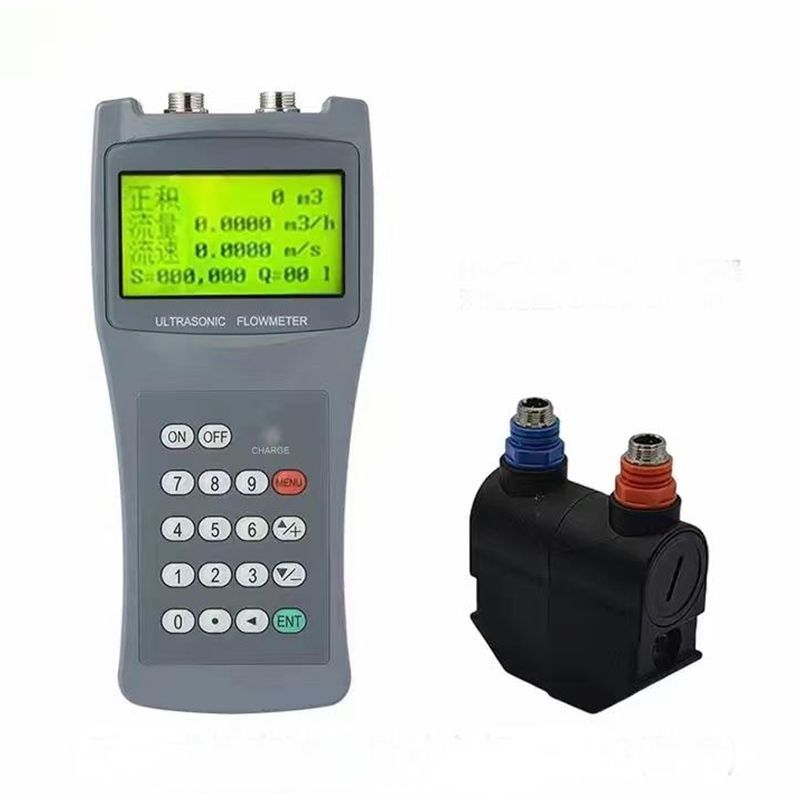
Ultrasonic flow meters utilize sound waves to measure the velocity of fluid across a cross-section of the pipe. This technique is crucial for measuring wastewater flows in chemical plants. By employing the principles of transit time or Doppler effect, these meters provide accurate data crucial for compliance and operational efficiency.
2. Benefits of Ultrasonic Meters in Wastewater Management
There are numerous benefits to using ultrasonic meters for flow measurement. Here are the key advantages:
- Non-invasive measurement ensures no interruption to flow.
- High accuracy rates typically over 1% of reading.
- Low maintenance needs due to no moving parts.
- Ability to measure a wide range of flow rates.
- Robust design suitable for harsh chemical environments.
2.1 Enhanced Reliability
With minimal wear and tear, ultrasonic meters demonstrate reliability with longer life cycles compared to mechanical counterparts.
2.2 Cost Effectiveness
Investment in ultrasonic technology can reduce operational costs through decreased maintenance and improved accuracy.
3. Key Factors for Effective Measurement
When considering ultrasonic meters, several factors must be taken into account to optimize performance:
- Pipe configuration and material.
- Fluid characteristics including temperature and viscosity.
- Environmental influences such as pressure and humidity.
- Proper sensor placement and alignment.
3.1 Fluid Characteristics
Understanding the fluid's properties plays a critical role in ensuring the accuracy and effectiveness of ultrasonic flow measurement.
4. Installation Best Practices
The effectiveness of ultrasonic flow meters hinges on proper installation. Follow these steps for optimal placement:
- Ensure straight pipe runs for a specified distance before and after the meter.
- Install flow conditioners if required.
- Adhere to manufacturer’s guidelines regarding temperature and pressure limits.
4.1 Calibration
Regular calibration against a known standard is vital to maintain measurement accuracy.
5. Comparisons with Other Flow Measurement Technologies
| Technology | Ultrasonic Meters | Electromagnetic Meters | Mechanical Meters |
|---|---|---|---|
| Accuracy | >1% | 0.5-2% | 3-5% |
| Maintenance Needs | Low | Moderate | High |
| Application Range | Wide | Limited to conductive fluids | Common in clean fluids |
6. Case Studies and Real-World Applications
Many chemical plants leverage the capabilities of ultrasonic flow meters. Here are a couple of notable case studies:
- Case Study 1: A major chemical producer improved their accuracy by switching to ultrasonic meters, decreasing errors by over 15%.
- Case Study 2: An industrial wastewater treatment facility reduced operational costs by 20% through effective ultrasonic flow measurement.
6.1 Implementation Analysis
Analyzing these implementations provides insight into the significant return on investment and operational efficiency.
7. Conclusion
Optimizing wastewater flow measurement in chemical plants through ultrasonic meters not only enhances accuracy but also improves operational efficiencies and reduces costs. As the industry continues to evolve, leveraging technology like ultrasonic flow meters is essential in managing wastewater effectively.
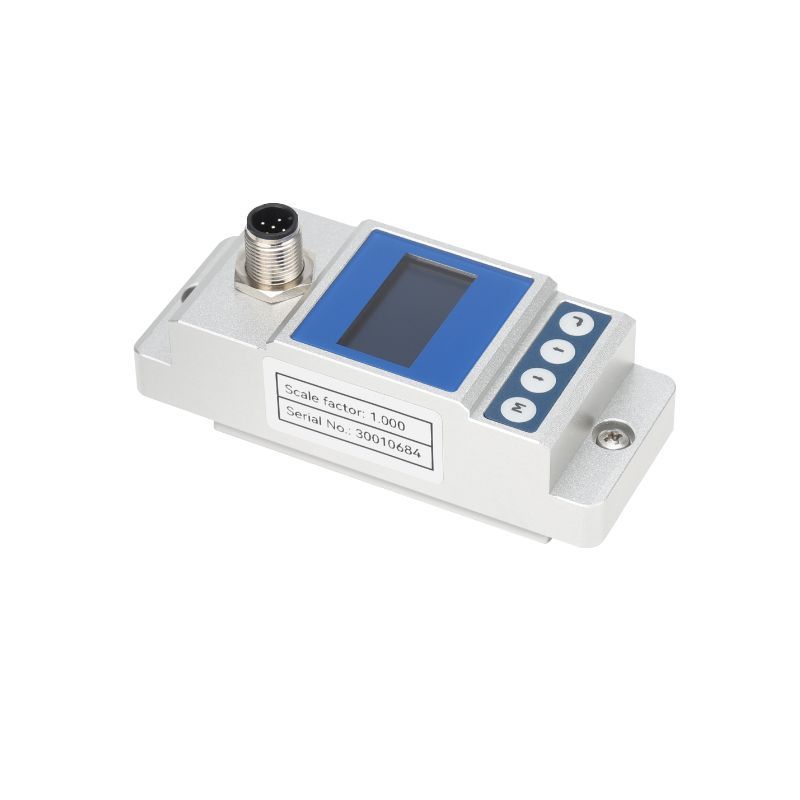
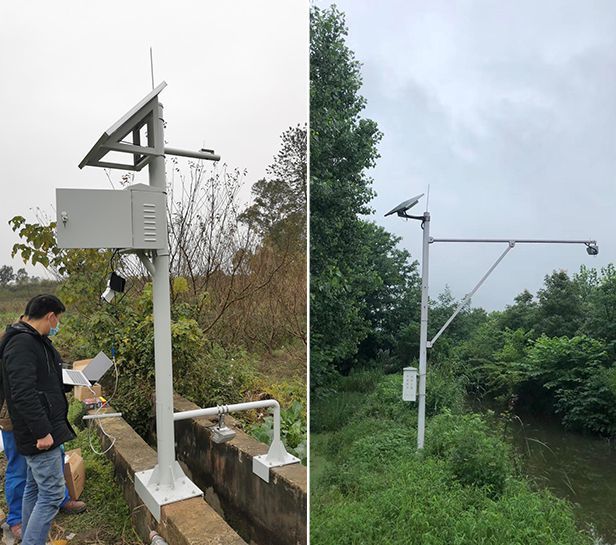
gallopsensor's expertise in the design and manufacturing of ultrasonic open channel flow meters is positioned to help you achieve these objectives.
Aug. 24, 2026
Aug. 24, 2026
Aug. 24, 2026
Aug. 24, 2026
