Power Supply Choices for Off-Grid Electromagnetic Flow Transmitter Sites
Oct. 01, 2025
electromagnetic flow transmitters are essential devices in various industrial applications, offering precise measurement of fluid flow, regardless of fluid properties. However, setting up these transmitters in off-grid locations requires a reliable power supply. When traditional grid power isn\'t an option, understanding the various power supply choices becomes crucial. This article will explore different power solutions tailored for off-grid electromagnetic flow transmitter sites, helping you make informed decisions for a sustainable and efficient operation.
1. Understanding Electromagnetic Flow Transmitters
- Definition: Electromagnetic flow transmitters measure the flow of conductive fluids using Faraday\'s law of electromagnetic induction.
- Applications: Common in water treatment, chemical processing, and food and beverage industries.
- Challenges in Off-Grid Scenarios: Dependence on reliable power sources, environmental conditions, and maintenance issues.
2. Assessing Power Requirements for Off-Grid Applications
- Power Consumption Analysis: Determine the wattage required by your electromagnetic flow transmitter for optimal performance.
- Duty Cycle Considerations: Analyze how long the transmitter will be active versus idle to select the right power supply.
- Backup Systems: Understanding your site\'s energy requirements helps plan for contingencies—consider backup battery options.
3. Common Off-Grid Power Supply Solutions
- Solar Power: Utilizing solar panels to harness energy from the sun is a popular and sustainable choice.
- Calculate the number of panels needed based on your energy requirement.
- Consider solar batteries for energy storage to ensure continuous power supply.
- Wind Energy: In suitable locations, wind turbines can be an effective supplement or alternative to solar kits.
- Analyze wind patterns to establish feasibility.
- Consider hybrid systems that incorporate both wind and solar energy for efficiency.
- Generator Options: Diesel or propane generators can provide immediate power, though they require fuel and regular maintenance.
- Determine the generator size based on your peak power needs.
- Keep in mind operational costs and environmental impact.
- Battery Storage Systems: Invest in deep-cycle batteries to store energy generated from renewable sources.
- Select batteries based on their cycle life, capacity, and maintenance needs.
- Implement regular monitoring of battery health to avoid power failures.
4. Selecting the Right Power Solution Based on Site Conditions
- Site Location: Assess geographic and climatic conditions that may affect power generation.
- Permit and Regulation Considerations: Investigate local regulations related to power generation systems.
- Equipment Compatibility: Ensure that your power supply aligns with electromagnetic flow transmitter voltage and current requirements.
5. Implementing Your Power Solution
- Installation Process: Follow manufacturer guidelines for installing power systems and the electromagnetic flow transmitter.
- Commissioning: Test the entire setup under operational conditions to ensure everything functions correctly.
- Monitoring and Maintenance: Set up a routine for monitoring power supply health and performance of the flow transmitter.
6. Future Considerations and Sustainable Practices
- Technology Advancements: Stay updated on new technologies for energy generation and storage that may improve efficiency and reduce costs.
- Resilience Planning: Prepare for extreme weather and other unforeseen events that could disrupt power supply.
- Community Integration: Explore possibilities for sharing energy resources with nearby off-grid systems to enhance sustainability.
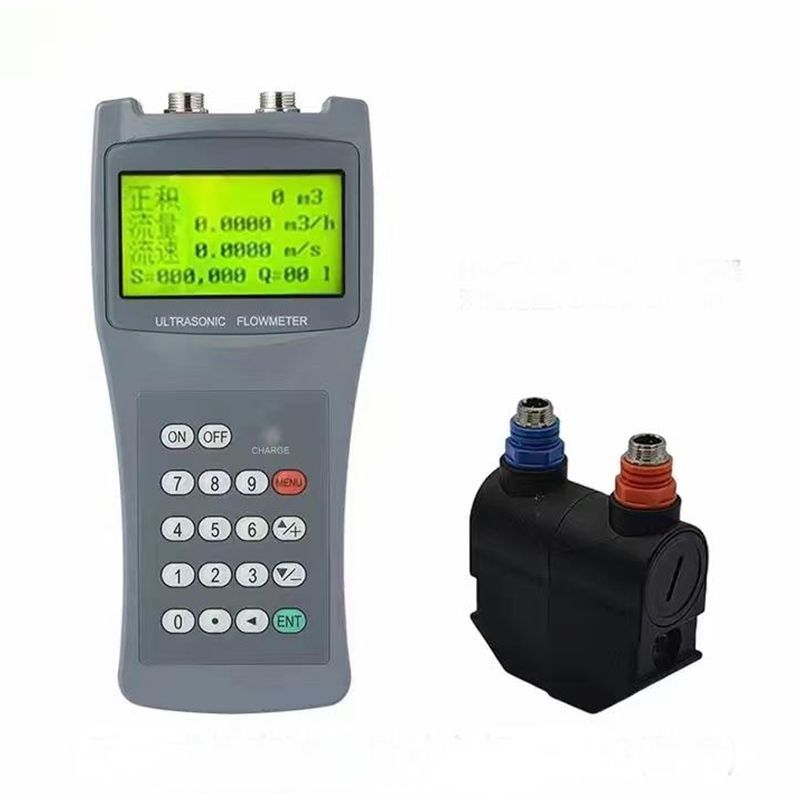
Choosing the appropriate power supply for off-grid electromagnetic flow transmitter sites is essential for reliable operations. By weighing the advantages and challenges of each power generation method and considering site-specific factors, you can develop a robust, efficient, and eco-friendly energy solution. For more information on electromagnetic flow transmitters, visit gallopsensor, and view a visual representation of these technologies 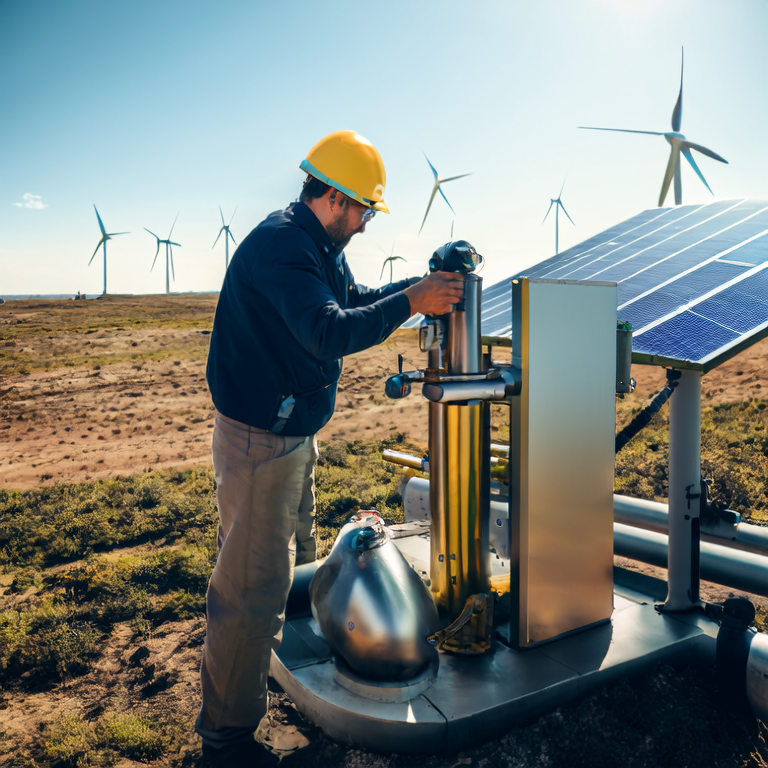
Aug. 24, 2026
Aug. 24, 2026
Aug. 24, 2026
Aug. 24, 2026
