Pressure Rating Considerations for Electromagnetic Flow Transmitter Installations
Oct. 08, 2025
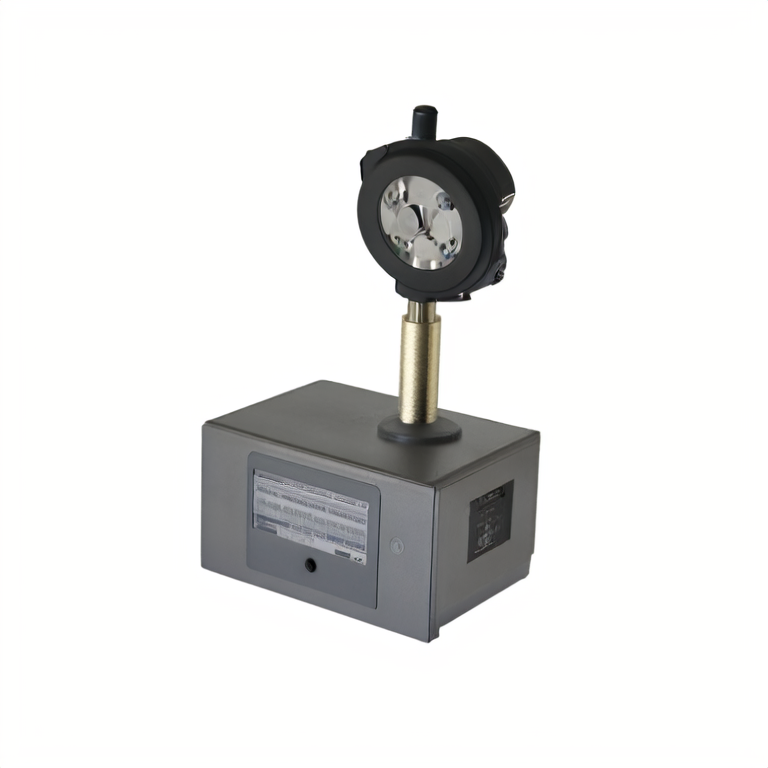
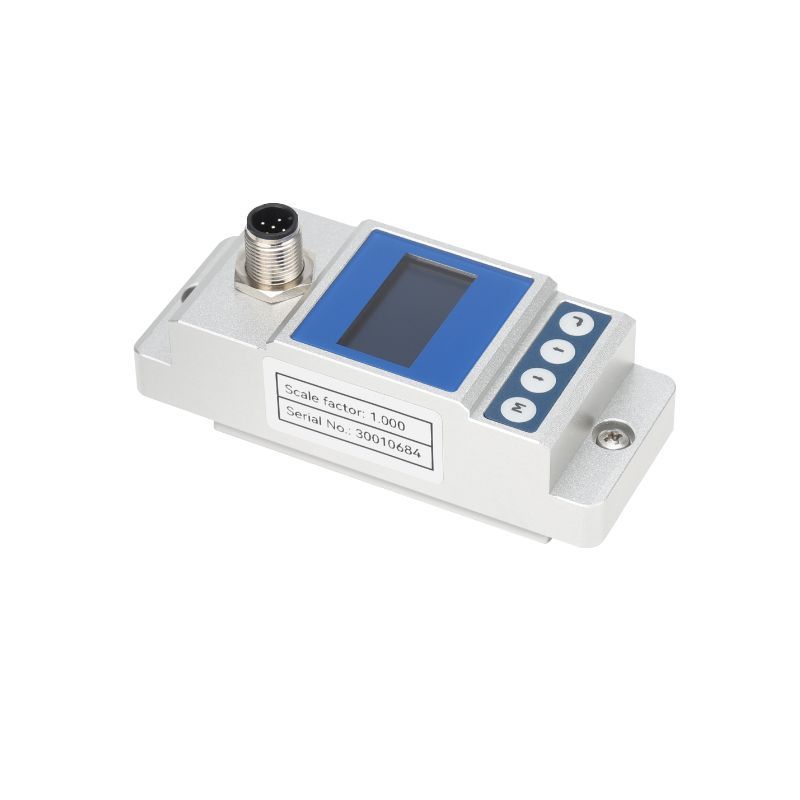
When installing electromagnetic flow transmitters, understanding pressure ratings is crucial for ensuring accurate measurement and system reliability. An electromagnetic flow transmitter measures the flow of conductive liquids by applying Faraday\'s law of electromagnetic induction. Proper pressure rating considerations are essential to prevent potential failures in the system, which can lead to costly downtime and maintenance. This article explores essential pressure rating considerations, installation guidelines, and tips for optimal performance.
1. Understanding Electromagnetic Flow Transmitters
- What is an Electromagnetic Flow Transmitter?
- Definition and working principles
- Applications in various industries
- The Importance of Pressure Ratings
- Explanation of pressure ratings in flow measurement
- Consequences of incorrect pressure ratings
2. Evaluating Process Conditions for Installation
- Determining Fluid Characteristics
- Conductivity requirements for proper operation
- Temperature and viscosity considerations
- Assessing System Pressure and Temperature
- The significance of maximum operating pressure
- Impact of temperature variations on performance
3. Choosing the Right Transmitter for Your Application
- Specifications to Consider
- Pressure ratings: ANSI, DIN, and other standards
- Material compatibility with the process fluid
- Vendor Recommendations
- Reputable manufacturers and their offerings
- Importance of warranty and support services
4. Best Practices for Installation
- Installation Location and Orientation
- Guidelines on selecting proper locations
- Impact of orientation on flow measurement accuracy
- Pressure Relief and Protection
- Importance of pressure relief devices
- Recommendations for installation to protect transmitter
5. Maintenance and Troubleshooting
- Routine Maintenance Guidelines
- Regular inspections and recalibrations
- Cleaning procedures to ensure accuracy
- Troubleshooting Common Issues
- Identifying signs of pressure-related issues
- Steps to resolve common electromagnetic flow measurement problems
6. Key Considerations When Upgrading Systems
- Impact of System Changes
- Assessing how modifications affect pressure ratings
- Need for recalibration or adjustment during upgrades
- Future-Proofing Your Installation
- Choosing transmitters with higher pressure ratings
- Keeping abreast of technological advancements
7. Additional Resources for Further Reading
- Iona College Engineering Technology - Academic insights into instrumentation design.
- International Society of Automation (ISA) - Relevant standards for flow measurement devices.
- National Institute of Standards and Technology (NIST) - Standard specifications and measurement practices.
For a successful installation of electromagnetic flow transmitters, it is critical to consider pressure ratings thoroughly. By following these guidelines and best practices, one can ensure the reliability and accuracy of flow measurements in various applications.
Aug. 24, 2026
Aug. 24, 2026
Aug. 24, 2026
Aug. 24, 2026
