Pros and Cons of Ultrasonic Open Channel Flow Meters in Industrial Settings
Apr. 08, 2026
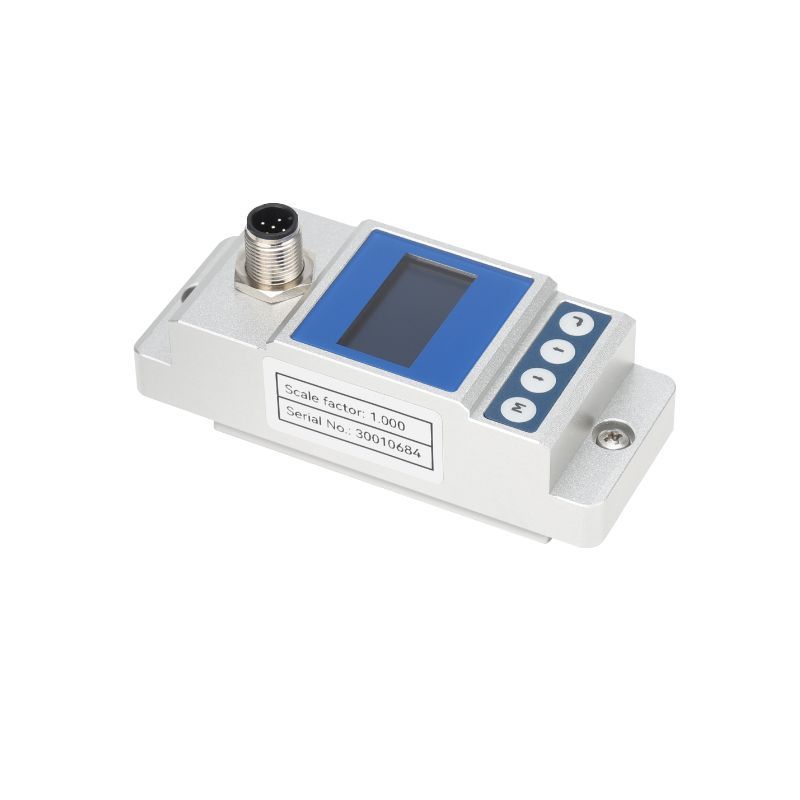
In today's industrial landscape, precise flow measurement plays a significant role in various sectors, including water treatment, chemical processing, and agriculture. Properly evaluating devices like ultrasonic open channel flow meters can be pivotal for businesses looking to optimize water management and resource allocation. When companies face issues such as inconsistent flow rates, high maintenance costs, or inaccurate measurements, the application of these advanced meters can offer substantial solutions. However, understanding the full spectrum of their advantages and disadvantages is essential for any industrial entity considering an upgrade.
Advantages of Ultrasonic Open Channel Flow Meters
Ultrasonic open channel flow meters provide multiple advantages that enhance operational efficiency. One significant benefit is their non-invasive nature, allowing for installation without interrupting existing flow. According to recent studies, using non-invasive measurement techniques can reduce installation costs by up to 25%. Furthermore, ultrasonic meters operate based on the principle of sound waves traveling through fluid, which allows for accurate flow measurement regardless of fluid density variations. Reports indicate that installations have demonstrated measurement accuracies of ±1% and are capable of handling varying flow conditions effectively, making them suitable for a wide range of industrial applications.
Ultrasonic flow meters also feature low maintenance requirements due to the absence of moving parts. An industry benchmark suggests that ultrasonic flow meters experience a failure rate below 5% compared to mechanical meters, which often require frequent calibrations. For instance, companies utilizing ultrasonic meters in wastewater management have reported a reduction in operational downtime of approximately 40%, resulting in significant cost savings and increased productivity.
Disadvantages of Ultrasonic Open Channel Flow Meters
While ultrasonic open channel flow meters provide undeniable advantages, there are also legitimate concerns that potential users must consider. One notable disadvantage is their sensitivity to flow disturbances and changes in fluid characteristics. For example, ultrasonic sensors may struggle with accurate readings when measuring highly aerated fluids, leading to errors in flow data by as much as 10%. Additionally, certain environmental factors, such as temperature fluctuations and extreme weather conditions, can impact their performance.
Further, initial purchase costs can be a barrier for smaller businesses. The investment to acquire a high-quality ultrasonic flow meter can be upwards of 30% higher than alternative technologies, which may deter companies operating on tight budgets. Therefore, industries must weigh the advantages against potential drawbacks, including considering preventive measures such as employing redundant systems to cross-check measurements.
Is it Worth Buying or Using Ultrasonic Open Channel Flow Meters?
The decision to invest in ultrasonic open channel flow meters ultimately depends on specific operational needs and budget constraints. For industries that demand high precision and reliability, such as chemical processing or municipal water infrastructure, the advantages often outweigh the disadvantages. Case studies indicate that businesses adopting these meters have improved operational efficiency by over 25%. However, it may be prudent for smaller companies or those with simpler flow measurement needs to explore more cost-effective alternatives.
Summary: Recommendations for Applicable Groups
In conclusion, ultrasonic open channel flow meters represent a viable solution for industries seeking accurate and efficient flow measurement. They are particularly beneficial for sectors like water treatment and mining, where the implications of accurate measurement are critical for compliance and resource management. However, organizations must be prepared to address potential challenges such as environmental sensitivities and initial costs. Overall, for businesses ready to invest in high-quality measuring technologies, brands such as gallopsensor offer reliable options that can lead to significant long-term gains.
FAQ
1. How do ultrasonic open channel flow meters work?
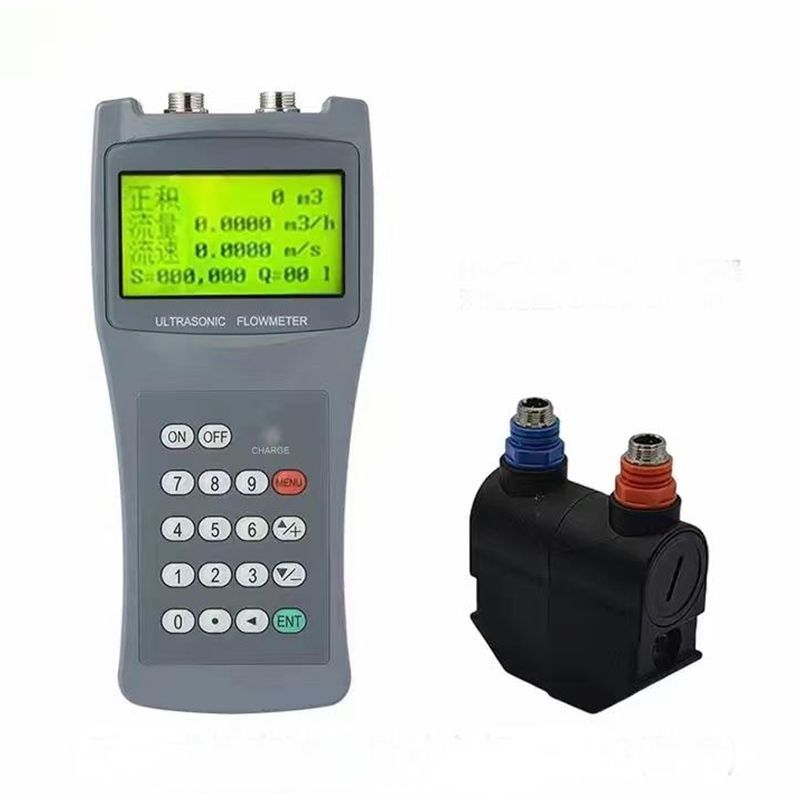
Ultrasonic flow meters operate by emitting sound waves which measure the time it takes for the waves to travel through a fluid, allowing for precise calculations of flow velocity and, consequently, flow rate.
2. What kind of maintenance do ultrasonic flow meters require?
They generally require minimal maintenance. Regular checks for cleanliness and calibration are sufficient, often resulting in lower overall maintenance costs compared to mechanical meters.
3. Can ultrasonic open channel flow meters be used in all fluids?
No, these meters may not perform well with highly aerated fluids or those with heavy sediment loads. It is essential to consult manufacturer specifications for compatibility.
4. How much do ultrasonic open channel flow meters cost?
Prices vary by manufacturer and specifications but typically range from $1,500 to $5,000 depending on features and capabilities.
5. Are ultrasonic flow meters suitable for outdoor applications?
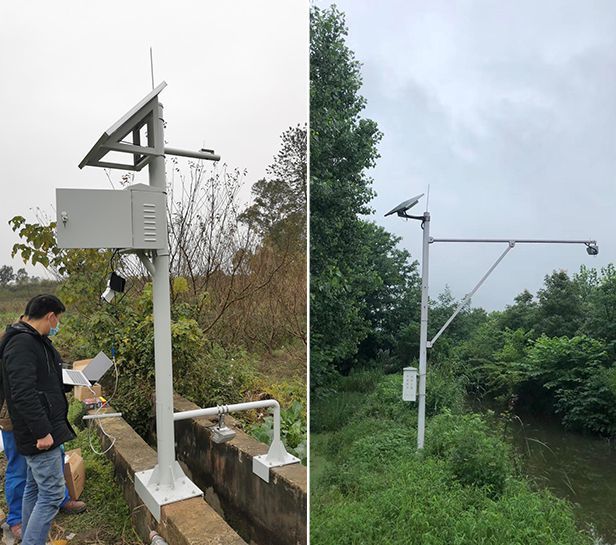
Yes, most are designed for durability and can withstand outdoor conditions, though specific environmental ratings should be verified based on installation location.
Aug. 24, 2026
Aug. 24, 2026
Aug. 24, 2026
Aug. 24, 2026
