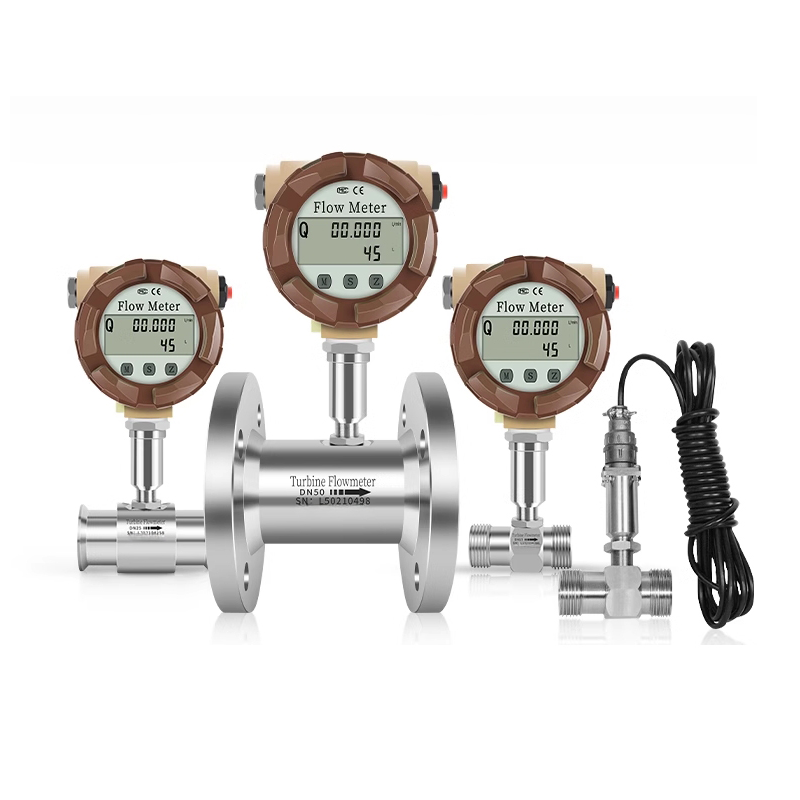
Pros and Cons of Wireless Ultrasonic Open Channel Flow Meters
May. 11, 2026
Flow measurement is crucial in various industries, including wastewater management, irrigation, and aquaculture. Users often face challenges such as inaccurate readings, high installation costs, and maintenance needs, which complicate decision-making. Wireless ultrasonic open channel flow meters offer a solution, effectively addressing these pain points. For example, traditional flow measurement methods might report errors of up to 5%, while advanced ultrasonic technology can achieve an accuracy level of ±2%, highlighting their importance in achieving reliable flow data. In this article, we’ll explore their advantages, disadvantages, and whether they are a justifiable investment for your applications.
Advantages of Wireless Ultrasonic Open Channel Flow Meters
One of the primary advantages of wireless ultrasonic open channel flow meters is their high accuracy and reliability. Studies show that these devices can achieve an accuracy of ±2% of the reading under optimal conditions. This level of precision is particularly beneficial in applications requiring consistent monitoring, such as in municipal wastewater treatment plants where the maximum allowance for flow measurement error can significantly impact compliance with regulations.
Another significant advantage is their ease of installation. Wireless meters eliminate the need for extensive wiring, which can lead to installation costs exceeding $1,000 for traditional systems. With wireless systems like those produced by Gallopsensor, installation costs can be reduced by over 40%, enabling swift deployment in various locations.
Moreover, these systems enable remote monitoring, with some models allowing data transmission over distances of up to 1,500 meters. This capability leads to faster data access, crucial for timely decision-making, especially in critical industrial scenarios.
Disadvantages of Wireless Ultrasonic Open Channel Flow Meters
While there are clear advantages, it is also essential to consider the downsides of using wireless ultrasonic flow meters. One notable drawback is their susceptibility to environmental conditions. Factors such as extreme temperatures or heavy rainfall can affect sensor performance, potentially leading to inaccurate readings. For instance, studies indicate that temperature variations can introduce errors of up to 10%, suggesting that users should take care when deploying these devices in fluctuating climates.
Additionally, the initial investment can range from $500 to $3,000, depending on the features and specifications. While this might appear costly, it is essential to consider total lifecycle costs, including savings from reduced labor and maintenance. Users should weigh the benefits against the upfront costs and explore options compatible with their specific requirements.
Is It Worth Buying/Using Wireless Ultrasonic Open Channel Flow Meters?
For many applications, wireless ultrasonic open channel flow meters offer significant value through their accuracy, ease of installation, and remote monitoring capabilities. However, users should analyze their unique needs and operational conditions. The fact that they can capture accurate measurements with an error margin of only ±2% indicates that for most regular applications, these devices provide great reliability. On the other hand, for monitoring in critical environmental conditions, other solutions might be preferable.
Summary and Recommendations
In conclusion, wireless ultrasonic open channel flow meters can greatly enhance flow measurement accuracy in various applications. They are particularly well-suited for industries such as wastewater treatment, where precision is paramount. However, users must remain aware of the potential drawbacks, including environmental susceptibility and initial investments. They are ideal for applications in stable environments and may not be recommended for those requiring operation in extreme conditions. Overall, meticulous evaluations of operational environments will guide appropriate usage.
FAQ
Q: What should I look for in a wireless ultrasonic open channel flow meter?
A: Key factors include accuracy ratings, installation ease, environmental durability, and data transmission distance.
Q: Can wireless ultrasonic meters work in extreme weather conditions?
A: Performance can be affected by extreme conditions, so select models specifically designed for such challenges.
Q: How does the accuracy of ultrasonic flow meters compare to mechanical meters?
A: Ultrasonic meters can achieve accuracy rates as low as ±2%, whereas mechanical meters often have higher error margins, typically around ±5%.
Aug. 24, 2026
Aug. 24, 2026
Aug. 24, 2026
Aug. 24, 2026