PTFE-Lined Electromagnetic Flow Transmitter Solves Acid Line Corrosion Issues
Aug. 20, 2025
Introduction
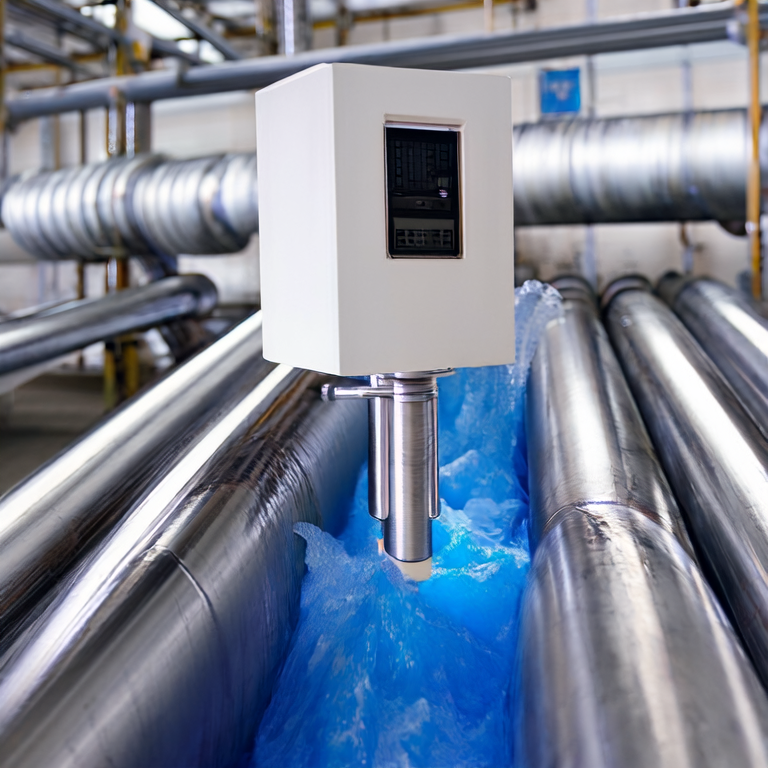
The electromagnetic flow transmitter helps solve acid line corrosion issues. Many industries handle corrosive materials daily. This can lead to significant damage to pipelines and equipment. Acid corrosion is a common problem in sectors like chemical and wastewater. Regular flow measurement becomes challenging as traditional meters fail due to harsh conditions. The PTFE-lined electromagnetic flow transmitter is designed to combat these problems effectively. It offers durability and reliable performance in corrosive environments.
Summary Answer
The PTFE-lined electromagnetic flow transmitter is an effective solution for preventing acid line corrosion by providing accurate flow measurement without the risk of deterioration.
Why Choose a PTFE-Lined Electromagnetic Flow Transmitter?
- Corrosion Resistance
- Accurate Measurement
- Versatility
- Ease of Installation
- Low Maintenance
- Reliable Performance
The PTFE lining protects against chemical reactions, ensuring longer equipment life.
These transmitters offer high precision, even with corrosive fluids.
They are suitable for various applications, including chemical, pharmaceutical, and food processing industries.
Installation is straightforward and does not require extensive modifications to existing systems.
These transmitters require minimal maintenance, reducing operational costs over time.
Designed for continuous operation, they provide consistent readings in challenging environments.
Conclusion
The PTFE-lined electromagnetic flow transmitter effectively addresses acid line corrosion issues. Its corrosion resistance and accurate measurement make it a vital tool in various industries. By investing in this technology, businesses can enhance efficiency and reduce long-term repair costs.
FAQ
Q: What is an electromagnetic flow transmitter?
A: It is a device used to measure the flow of fluids, especially conductive liquids, using electromagnetic induction principles.
Q: How does PTFE lining help in corrosion resistance?
A: PTFE, or polytetrafluoroethylene, is highly resistant to chemical reactions and therefore protects the underlying materials from corrosive fluids.
Q: Can this transmitter be used for non-corrosive fluids?
A: Yes, while it is designed for corrosive applications, it can also accurately measure non-corrosive fluids.
Aug. 24, 2026
Aug. 24, 2026
Aug. 24, 2026
Aug. 24, 2026
