Radar Open Channel Flow Meter vs Electromagnetic Flow Meter
Jun. 29, 2026
Understanding the Fundamentals of Flow Measurement
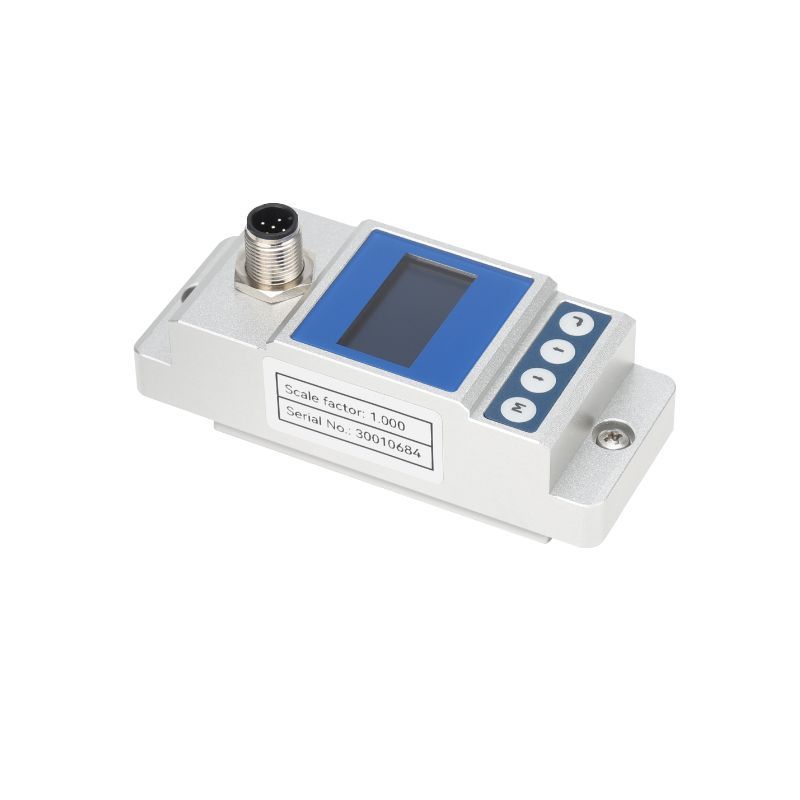
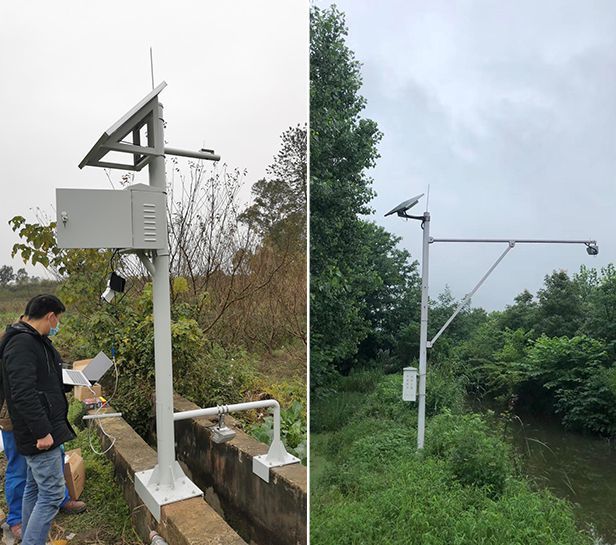
What are Radar open channel flow meters?
Radar open channel flow meters use microwave radar waves to measure the distance to the water surface, enabling accurate flow rate calculations in open channels.
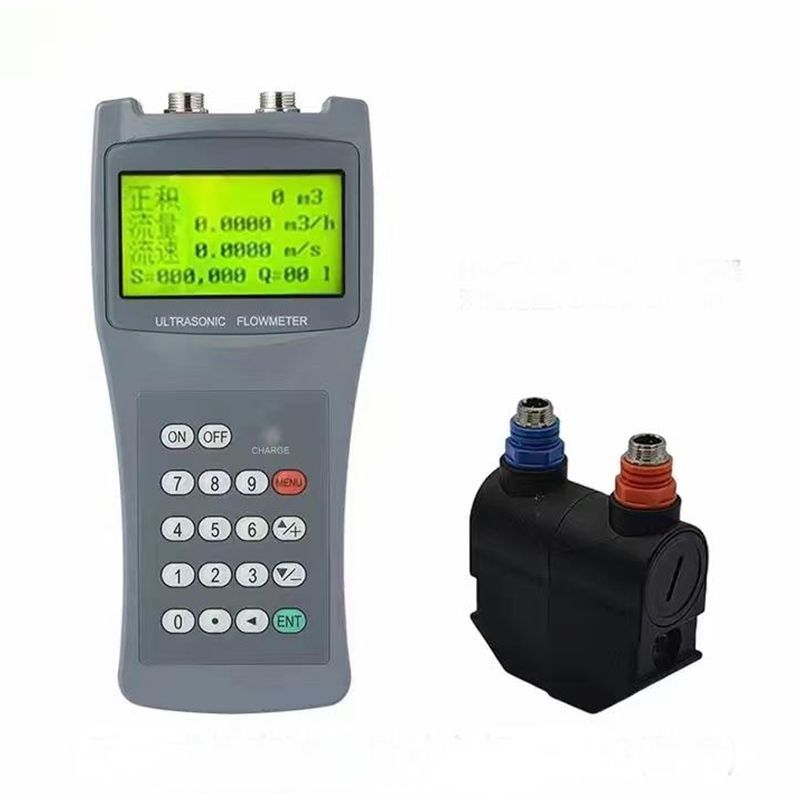
What are Electromagnetic Flow Meters?
Electromagnetic flow meters operate based on Faraday's law of electromagnetic induction, measuring the voltage induced by the flow of conductive fluids through a magnetic field.
Core Parameters Comparison
Key Specifications
- Measurement Range: Radar (0.3 to 10m), Electromagnetic (0.1 to 10m/s)
- Accuracy: Radar (±2mm), Electromagnetic (±0.5% of reading)
- Power Supply: Radar (DC, Battery), Electromagnetic (AC, DC)
- Temperature Range: Radar (-40°C to 80°C), Electromagnetic (-20°C to 120°C)
- Output Type: Radar (4-20 mA, Pulse), Electromagnetic (4-20 mA, Modbus)
Performance in Actual Use
Battery Life and Maintenance Requirements
Radar flow meters generally provide long battery life, especially in battery-operated models, typically lasting up to 5 years. In contrast, electromagnetic flow meters may require more frequent power supply, especially if used with AC power systems.
Stability and Reliability in Various Conditions
Radar meters excel in turbulent or foam-covered surfaces without being affected by temperature, while electromagnetic meters require stable flow conditions and are sensitive to changes in water temperature and conductivity.
Pros and Cons of Each Technology
Advantages of Radar Open Channel Flow Meters
- Non-contact measurement reduces maintenance.
- Works in difficult conditions (foamy surfaces, dust).
- Long lifespan with low operational costs.
Disadvantages of Radar Open Channel Flow Meters
- Higher initial costs compared to electromagnetic meters.
- Can be affected by atmospheric conditions (e.g., heavy rain).
Advantages of Electromagnetic Flow Meters
- Highly accurate in stable flow conditions.
- Cost-effective with lower initial pricing.
- No moving parts lead to fewer mechanical failures.
Disadvantages of Electromagnetic Flow Meters
- Require conductive liquids; not suitable for all fluids.
- Less accurate in turbulent or variable flow conditions.
Recommendations for Potential Users
Who Should Choose Radar Open Channel Flow Meters?
Ideal for applications involving wastewater, rivers, or any scenario with turbulent or foam-covered water surfaces, as well as for users who prioritize maintenance-free solutions.
Who Should Opt for Electromagnetic Flow Meters?
Best suited for users dealing with clean, conductive fluids in stable flows, such as in water treatment plants or industrial applications, particularly where cost-efficiency is a priority.
Final Thoughts on Flow Meter Selection
When choosing between a radar open channel flow meter and an electromagnetic flow meter, understanding the specific application and environment is crucial. Both technologies have their unique benefits and limitations that cater to different user needs. gallopsensor is dedicated to providing high-quality flow measurement solutions tailored to your specific requirements. For more information, visit gallopsensor.com/data/watermark/main/20240910/66dfde0c5f1ae_.jpg">our website.
Aug. 24, 2026
Aug. 24, 2026
Aug. 24, 2026
Aug. 24, 2026
