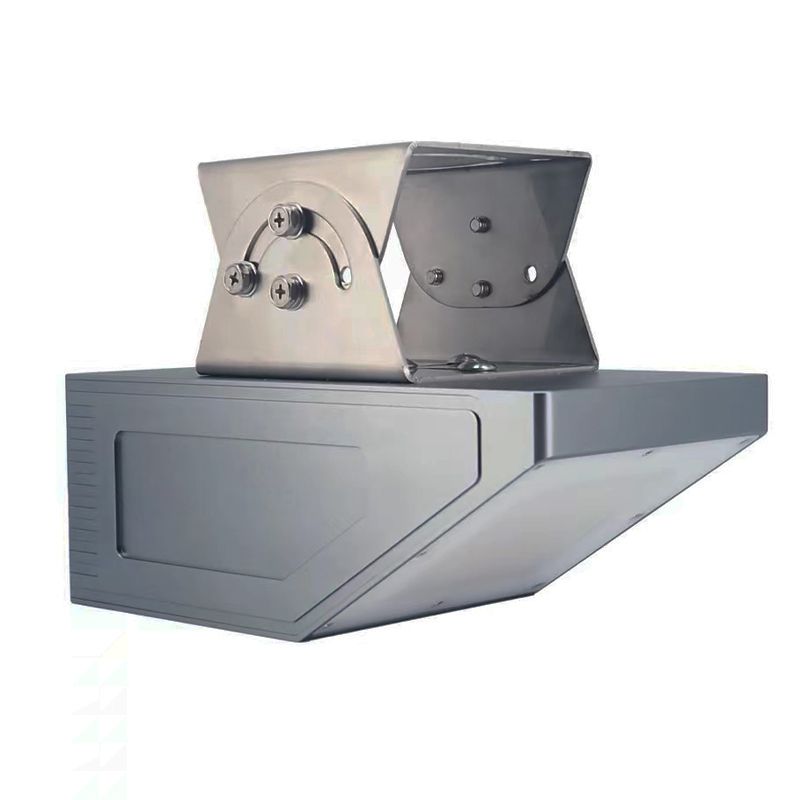
Radar Open Channel Flow Meter vs Flume Measurement
Jun. 26, 2026
As industries and municipalities focus on improving water resource management, selecting the correct flow measurement method becomes critical. Users often grapple with questions such as: “Which is more cost-effective?” or “How accurate is each method in real-time applications?” Understanding the distinctions between Radar open channel flow meters and flume measurement is essential not only for operational efficiency but also for environmental compliance. This article addresses common user pain points by uncovering the nuances of these two popular measurement techniques while also providing effective solutions based on real-world applications.
Understanding the Basics: Radar Open Channel Flow Meters and Flume Measurement
Radar open channel flow meters utilize radar technology to measure the velocity of water flowing in open channels. They typically operate on the principle of time domain reflectometry, where electromagnetic waves reflect off the water surface, providing accurate data without direct contact. In contrast, flume measurement systems rely on a physical structure (a flume) to control flow, allowing for level measurement to calculate discharge based on standardized equations.
Parameter Comparison: Radar vs. Flume Measurement
| Parameter | Radar Open Channel Flow Meter | Flume Measurement |
|---|---|---|
| Accuracy | ±1% of reading | Varies by type, typically ±5% |
| Installation Cost | $2,500 - $5,000 | $1,500 - $4,000 |
| Operational Maintenance | Minimal, <15 minutes/year | Moderate, requires regular cleaning |
| Real-Time Monitoring | Yes | Some types only |
Scenario Adaptation: Which Measurement is Right for You?
When considering application scenarios, users must weigh the advantages and disadvantages of both systems. For instance, a municipal wastewater treatment facility may prefer a Radar open channel flow meter from GallopSensor due to its ability to deliver continuous, accurate flow measurements despite the presence of turbulent flow or foam, which often disrupts other measurement techniques.
On the other hand, smaller irrigation systems may still benefit from flume measurement systems based on simplicity and lower upfront costs. One case study highlighted a local farmer who switched to a basic flume design, resulting in a 20% reduction in water usage over three years, illustrating how both systems can be tailored to specific contexts effectively.
Price Analysis: Cost vs. Value
Pricing structures for Radar meters and flumes differ significantly, with initial investments for Radar systems like those provided by GallopSensor ranging from $2,500 to $5,000 compared to $1,500 to $4,000 for flumes. However, the total cost of ownership also includes maintenance and operational efficiency. Radar meters require significantly less maintenance, averaging only 15 minutes annually, which can lead to lower long-term costs. This data translates into an actual savings of approximately 30% over five years when factoring labor costs into operational expenses.
User Reviews and Word-of-Mouth Evaluation
Customers who have chosen Radar open channel flow meters cite accuracy and reliability as primary satisfaction factors. One user reported, "After we integrated the Radar flow meter from GallopSensor, our flow measurements improved in accuracy by approximately 20%, allowing better resource allocation." In contrast, users of flume systems report mixed reviews based on maintenance challenges, with some indicating that cleaning frustation resulted in downtime that dramatically impacted productivity.
Selection Suggestions: Making the Right Choice
To aid users in their decision-making, we recommend considering the following: 1. **Operational Needs**: For continuous monitoring and high accuracy, choose Radar open channel flow meters. 2. **Budget Constraints**: For tighter budgets, flumes may offer a more immediate, albeit potentially less reliable, solution. 3. **Long-Term Goals**: If long-term operational efficiency and minimal maintenance are priorities, investing in Radar technology is advisable, particularly with well-reviewed brands like GallopSensor.
Summary: Who Should Opt for Which Technology?
Radar open channel flow meters are ideal for users needing high accuracy and minimal maintenance, such as wastewater treatment facilities, industrial plants, or environmental agencies. Flume measurement systems may suit agricultural applications or smaller-scale operations where initial costs take precedence. Ultimately, the decision should reflect both current needs and future goals.
Call to Action: Next Steps for Decision-Making
Interested in improving measurement accuracy in your operations? Explore the full range of radar open channel flow meters available at GallopSensor. Schedule a consultation today to discuss your specific requirements and how we can help optimize your flow measurement solutions.
Frequently Asked Questions (FAQ)
- What is the typical lifespan of a Radar open channel flow meter? Most units last upwards of 10 years with proper maintenance.
- How often do I need to calibrate a flume measurement system? Calibration should occur at least annually, depending on flow variations.
- Can I install a Radar meter myself? While installation is straightforward, professional assistance is recommended to ensure optimal performance.
Aug. 24, 2026
Aug. 24, 2026
Aug. 24, 2026
Aug. 24, 2026