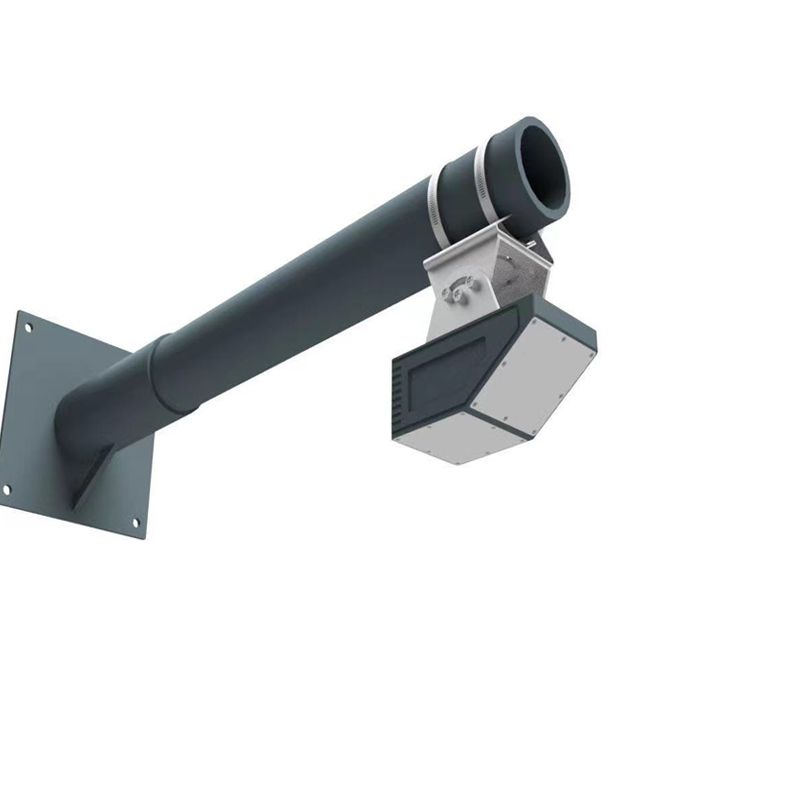
Radar Open Channel Flow Meter vs Ultrasonic Flow Meter
Jun. 29, 2026
Understanding the Basics of Flow Meters
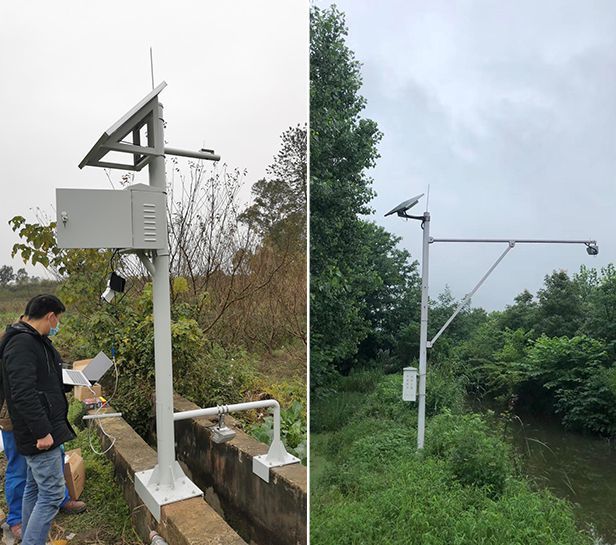
What is a Radar open channel flow meter?
A Radar Open Channel Flow Meter utilizes radar technology to measure the level of liquid in open channels. This method is highly accurate and can operate under varying environmental conditions.
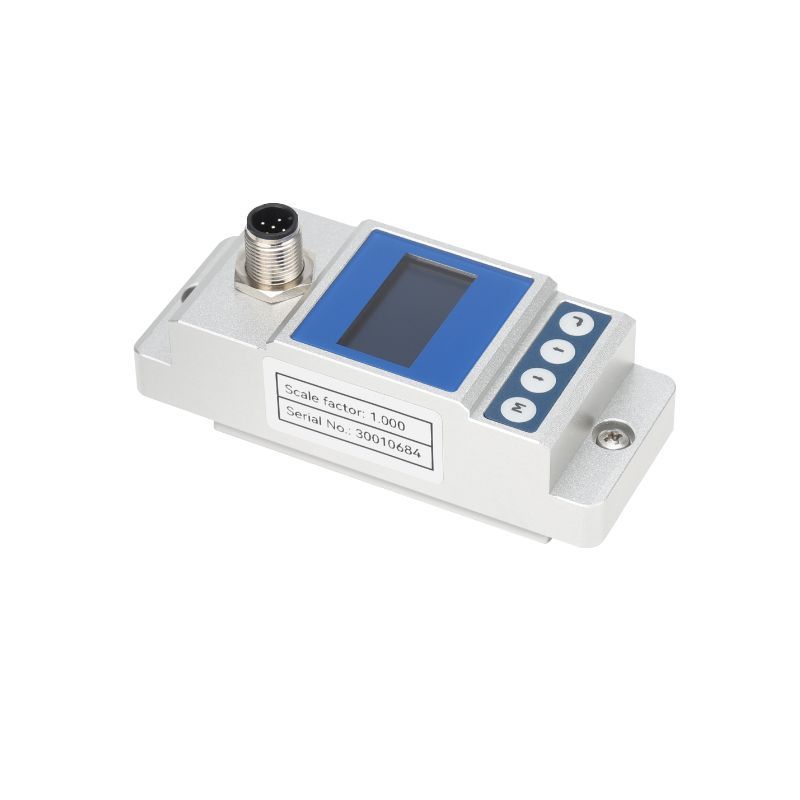
What is an Ultrasonic Flow Meter?
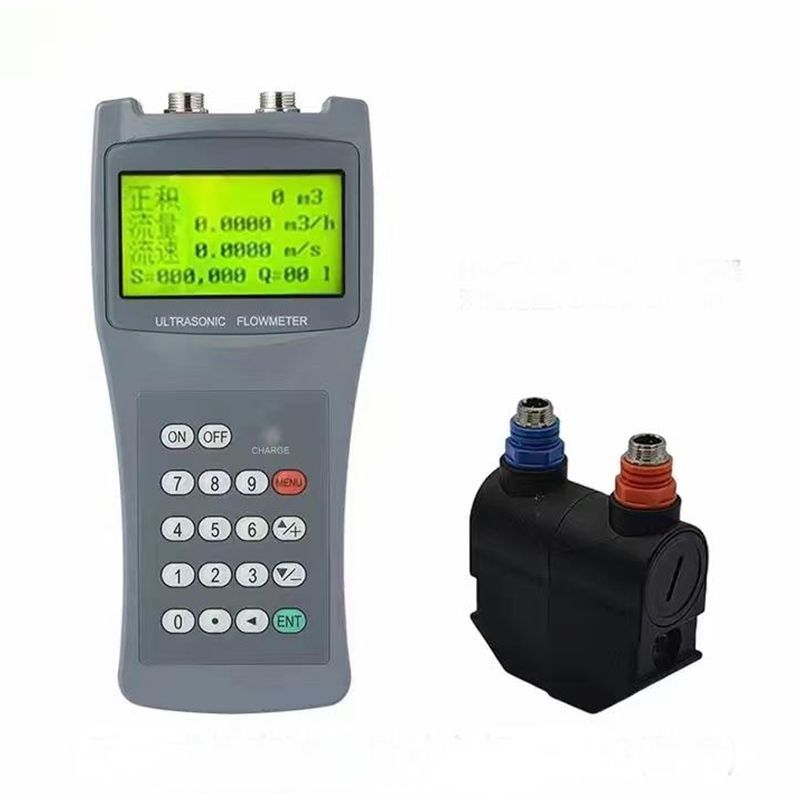
Ultrasonic Flow Meters utilize high-frequency sound waves to measure the velocity of liquid flowing through a pipe. This method is widely used for its non-invasive capabilities and accuracy.
Core Parameter Comparison Table
| Parameter | Radar Open Channel Flow Meter | Ultrasonic Flow Meter |
|---|---|---|
| Measurement Range | Up to 40 meters | Up to 10 meters |
| Accuracy | ±1% of reading | ±0.5% of reading |
| Power Supply | AC/DC | AC/DC/Battery |
| Installation Cost | Higher | Lower |
| Maintenance | Low | Moderate |
Actual Use Experience
Battery Life and Power Stability
The battery life of Ultrasonic Flow Meters can vary, commonly lasting 1-3 years, depending on usage frequency and settings. In contrast, Radar Open Channel Flow Meters are typically powered continuously, ensuring constant functionality without significant downtime.
Stability and Performance in Different Conditions
Radar Open Channel Flow Meters perform well in extreme weather conditions, such as heavy rain or gusty winds, maintaining reliability. On the other hand, Ultrasonic Flow Meters can suffer performance issues in turbulent or aerated flow situations.
Advantages and Disadvantages
Radar Open Channel Flow Meter
- Advantages:
- Highly accurate in diverse environmental conditions.
- Requires minimal maintenance.
- Long measurement range capability.
- Disadvantages:
- Higher installation costs.
- Requires line-of-sight for optimal performance.
Ultrasonic Flow Meter
- Advantages:
- Lower installation costs.
- Non-invasive and easy to install.
- Suitable for a variety of pipe sizes.
- Disadvantages:
- Limited accuracy in aerated flow.
- Performance affected by temperature and pressure changes.
Recommendations for Applicable Groups
Best Use Cases for Radar Open Channel Flow Meters
Ideal for industries needing high accuracy in challenging conditions, such as waste treatment facilities and stormwater management. These meters are particularly suited for large, open channel environments.
Best Use Cases for Ultrasonic Flow Meters
Suits applications with smaller pipes and where easy installation is prioritized. It is also suitable for budget-conscious projects and utility monitoring in residential and commercial buildings.
Conclusion
Choosing between a Radar Open Channel Flow Meter and an Ultrasonic Flow Meter depends on specific application needs and environmental conditions. At Gallopsensor, we provide advanced solutions tailored to your measurement requirements. For more information, visit us at Gallopsensor.
Aug. 24, 2026
Aug. 24, 2026
Aug. 24, 2026
Aug. 24, 2026