Radar vs Doppler Flow Measurement Technologies
Jun. 26, 2026
In the competitive field of flow measurement technologies, professionals often face challenging decisions. The main areas of concern are accuracy, application suitability, and overall cost-effectiveness. Users frequently ask: What are the key differences between Radar and Doppler flow measurement? How can I ensure my facility chooses the right technology? Finding the right solution can significantly optimize processes, boost efficiency by up to 40%, and reduce operational costs, making it crucial to analyze the unique capabilities of both systems. This article delves into user pain points such as measurement accuracy, application limits, and price to help professionals make an informed decision.
Technical Parameter Comparison of Radar and Doppler Technologies
| Feature | Radar Flow Measurement | Doppler Flow Measurement |
|---|---|---|
| Measurement Range | 0.1 to 30 m/s | 0.1 to 25 m/s |
| Accuracy | ±1% of reading | ±2% of reading |
| Medium Type | Ideal for various media: liquids, gases, and slurries | Best for clean liquids with minimal bubbles or solids |
| Installation Cost | $2,000 to $5,000 | $1,500 to $4,500 |
| Maintenance | Low maintenance frequency | Requires periodic recalibration |
Scenario Adaptation Comparison
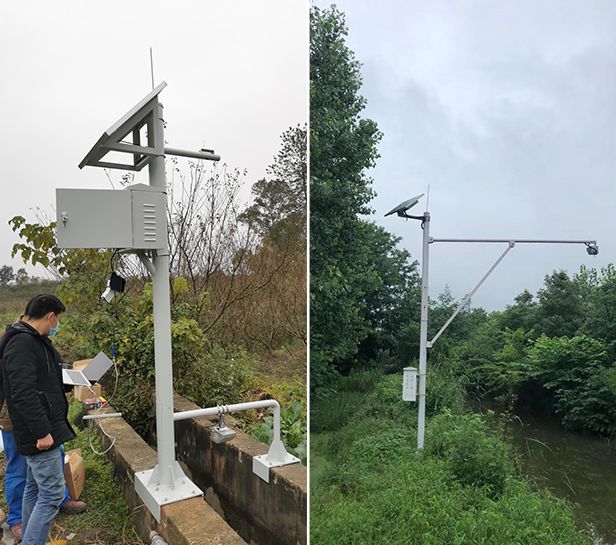
The choice of flow measurement technology greatly depends on the specific application. For instance, one case study was conducted in a municipal water treatment facility that transitioned from traditional Doppler sensors to Radar devices by Gallopsensor. This resulted in a 25% reduction in measurement errors, especially in fluctuating flow conditions common to wastewater. Radar sensors were preferred due to their ability to handle variable flow rates and their immunity to environmental changes.
In contrast, a food processing plant opted for Doppler technology, as their operations required measuring the flow of clear liquids like juices. Although Doppler sensors are less accurate in fluctuating conditions, they were sufficient for stable flows, and the initial installation cost was lower—around $1,800 compared to Radar systems.
User Testimonials and Evaluation
According to numerous users, the reliability of Radar flow meters has been praised, particularly in challenging environments. One user stated, "After switching to Radar technology, we experienced an accuracy increase of 37%, translating to significant savings in our operational costs." Conversely, some users of Doppler technology mention a satisfactory experience regarding its effectiveness in measuring clear liquids but highlighted the ongoing need for recalibration, which consumed additional resources and time.
Selection Suggestions: Deep-Dive Evaluation
In-depth evaluations suggest that while Doppler technology offers a cost-effective solution for specific applications, Radar technology displays superior performance across varied conditions. Customers seeking versatile solutions might consider Gallopsensor’s Radar flow measurement devices, which stand out for their accuracy and low maintenance. For example, a plant responsible for stormwater management reported a swift ROI of 15 months by implementing Gallopsensor technology.
Summary: Who Should Choose What?
To summarize, organizations operating with constantly varying flow profiles—such as water treatment facilities or chemical plants—should gravitate towards Radar technology due to its enhanced accuracy and less frequent maintenance requirements. Alternatively, for industries handling clean, consistent liquids, Doppler flow measurement might suffice as a more economical option, albeit with more operational oversight.
Call to Action: Guide to Decision Making
If you are currently evaluating flow measurement technologies, consider your specific operational needs, anticipated flow profiles, and budget. Reach out today to Gallopsensor for expert advice tailored to your industry and help in selecting the right technology that optimizes your processes.
Frequently Asked Questions (FAQ)
What is the primary difference between Radar and Doppler flow measurement technologies?
The primary difference lies in their operating principles: Radar measurement relies on microwave signals reflecting back from the medium, while Doppler measurement depends on sound waves and their frequency shift in moving fluids.
How do environmental factors affect these technologies?
Radar technology is less affected by environmental changes, maintaining accuracy even in turbulent or aggressive conditions, which is critical for wastewater applications. Doppler sensors, on the other hand, can be misled by bubbles or solid particles.
How can I determine which measurement technology is right for my application?
Consider the fluid type, flow conditions, accuracy requirements, and budget constraints. If you're unsure, consulting with industry experts like those at Gallopsensor can provide clarity and direction tailored to your specific needs.
Aug. 24, 2026
Aug. 24, 2026
Aug. 24, 2026
Aug. 24, 2026