Radar vs Laser Flow Measurement for Open Channels
Jul. 27, 2026
The choice between radar and laser flow measurement technologies for open channels can significantly impact your water management systems. Many users express confusion over which technology best suits their needs. Common questions include: "Which is more accurate?" and "What are the cost implications of each method?" Understanding the nuances of these technologies will help you make informed choices while optimizing both performance and budget. Many water management professionals have experienced operational challenges or measurement inaccuracies, leading to potential regulatory issues. This article aims to clarify these pain points through comprehensive comparisons, offering effective solutions tailored to numerous scenarios.
Parameter Comparison: Radar vs Laser Flow Measurement
| Feature | Radar Flow Measurement | Laser Flow Measurement |
|---|---|---|
| Measurement Range | Up to 300 meters | Up to 100 meters |
| Accuracy | ±1% of reading | ±0.5% of reading |
| Environmental Suitability | Ideal for turbulent surfaces | Best for smooth surfaces |
| Installation Cost | Lower initial cost | Higher installation cost |
| Maintenance Frequency | Every six months | Annual |
Scenario Adaptation Comparison
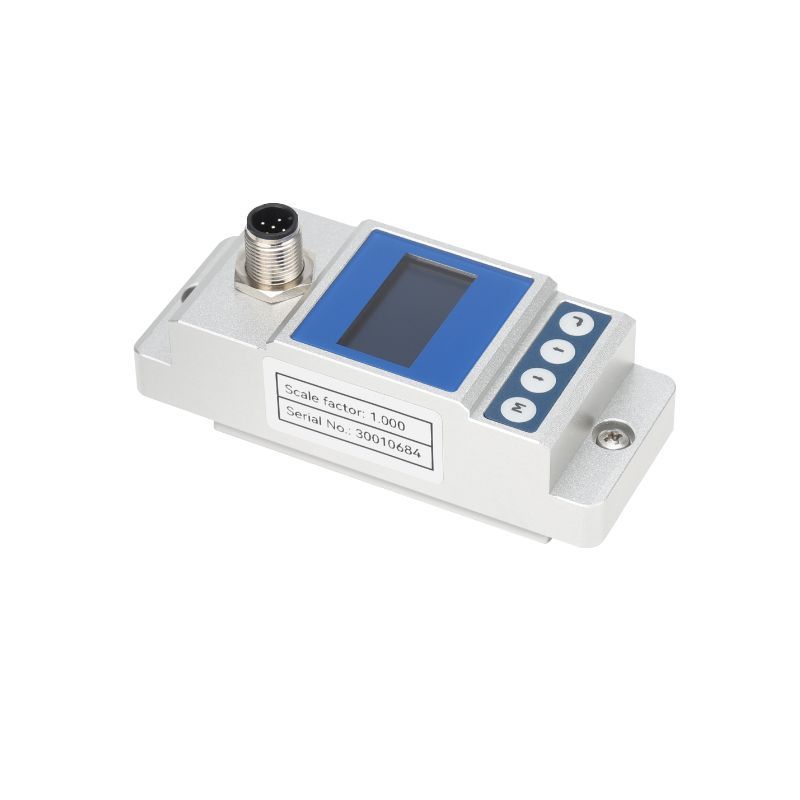
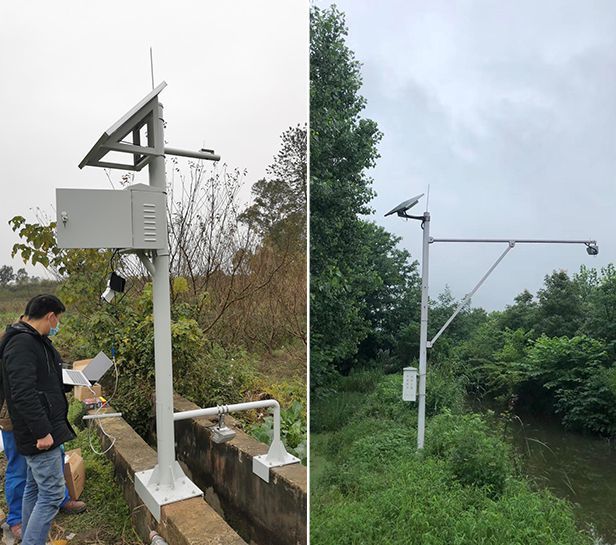
Choosing the right technology also involves understanding your operational environment. For instance, a municipal wastewater treatment facility located near a river might experience variable flow conditions and turbulence. Here, a Radar open channel flow meter, such as those from gallopsensor, would excel due to its ability to accurately measure flow even with wave action or obstacles in place.
Conversely, in a controlled setting, like an irrigation canal, a laser flow measurement device might be more appropriate due to its high precision and ease of calibration on smooth surfaces. Cost-wise, radar systems generally start at around $2,500, while laser systems can exceed $5,000, depending on the model and capabilities. This pricing difference means radar technology may be favorable for projects with constrained budgets.
User Word-of-Mouth Evaluation
User testimonials validate these comparisons. One facility manager shared, “Switching to a radar flow meter saved us approximately 30% in operational costs due to fewer maintenance needs. While we originally considered lasers for their precision, we're now satisfied with our radar choice.” Conversely, several users of laser systems remarked on their ability to make precise flow adjustments, stating, “The ±0.5% accuracy on our laser meter reduced errors in water bills by roughly $1,200 annually.” It’s clear both technologies have their advocates, each with unique experiences contributing to their selections.
Selection Suggestions: An Unbiased Evaluation
Making the right choice should consider multiple factors. If operational simplicity, cost-effectiveness, and resilience in turbulent conditions are priorities, then radar flow measurement is often the best route. On the other hand, if utmost accuracy and data precision are paramount, especially in stable environments, laser technology may be worth the investment. Below is a comparison list based on customer cases:
- GallopSensor Radar Flow Meter: Highly recommended for diverse environmental conditions.
- XYZ Laser Flow Meter: Ideal for precision-driven applications.
- ABC Hybrid Meter: A middle ground for facilities requiring both technologies.
Summary: Who Is Suitable for Each Technology?
In conclusion, radar flow measurement is suitable for users seeking lower maintenance costs and resilience against environmental challenges—perfect for sewage plants and natural water bodies. Meanwhile, laser systems are ideal for users needing high precision and stable conditions, such as pollution monitoring in controlled environments or closed channels. Each technology has its strengths and weaknesses; thus, understanding your specific application will lead to the right decision.
Next Steps
Ready to take the next step? Evaluate your open channel flow measurement requirements and reach out to experts at gallopsensor for tailored recommendations.
Frequently Asked Questions (FAQ)
1. Is radar flow measurement effective in flooding situations?
Yes, radar technology can handle turbulent water surfaces and flooding effectively, maintaining measurement accuracy under challenging conditions.
2. Are laser flow meters easy to install?
While laser flow meters are generally straightforward, they often require more precision in installation compared to radar meters, particularly to align with flow surfaces.
3. What are the maintenance needs for these systems?
Radar systems require maintenance every six months, while laser systems can operate annually. Proper maintenance ensures continued accuracy and performance.
Aug. 24, 2026
Aug. 24, 2026
Aug. 24, 2026
Aug. 24, 2026
