Reducing Environmental Risks with Accurate Wastewater Flow Monitoring
Jan. 13, 2026
Table of Contents
1. Importance of Wastewater Flow Monitoring
Accurate wastewater flow monitoring is crucial for environmental protection. It helps prevent pollution, ensures compliance with regulations, and optimizes wastewater treatment processes. By using advanced technologies, companies can achieve precise measurements that lead to better data management. Reliable monitoring reduces risks by enabling prompt responses to possible issues in the wastewater system.
2. Environmental Risks of Inaccurate Monitoring
Inaccurate wastewater flow monitoring can lead to severe environmental risks, including:
- Uncontrolled discharges of pollutants into water bodies.
- Regulatory non-compliance resulting in hefty fines.
- Damage to aquatic ecosystems and biodiversity.
- Increased operational costs due to inefficient processes.
- Community health hazards from contaminated water sources.
Impact Analysis:
The consequences of inaccuracies can be profound. For instance, a local community may face water quality issues, leading to public health concerns and economic repercussions.
3. Technologies for Accurate Monitoring
There are several technologies available for wastewater flow monitoring:
- Electromagnetic flow meters
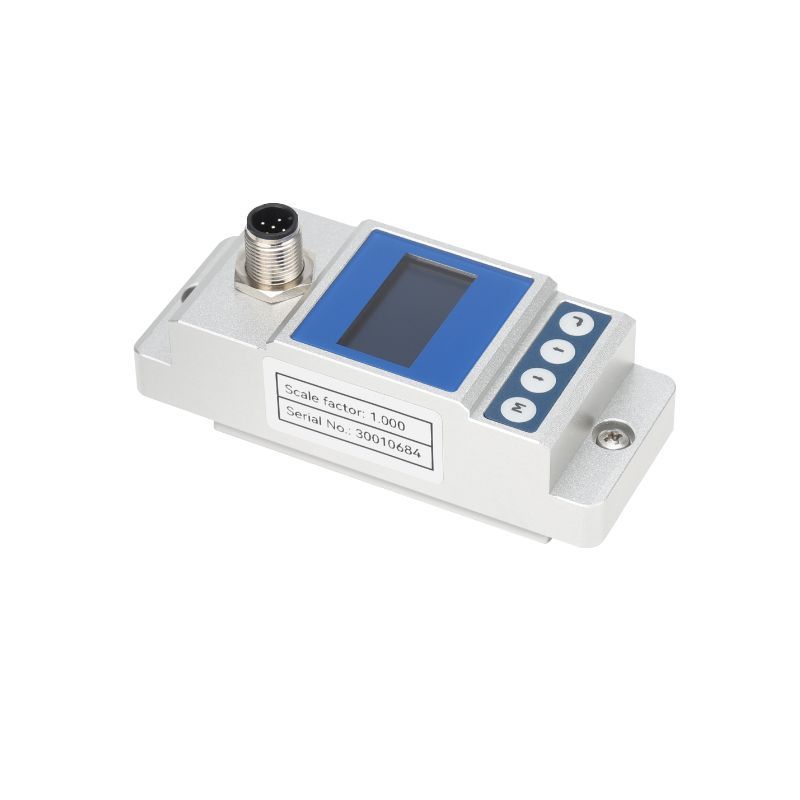
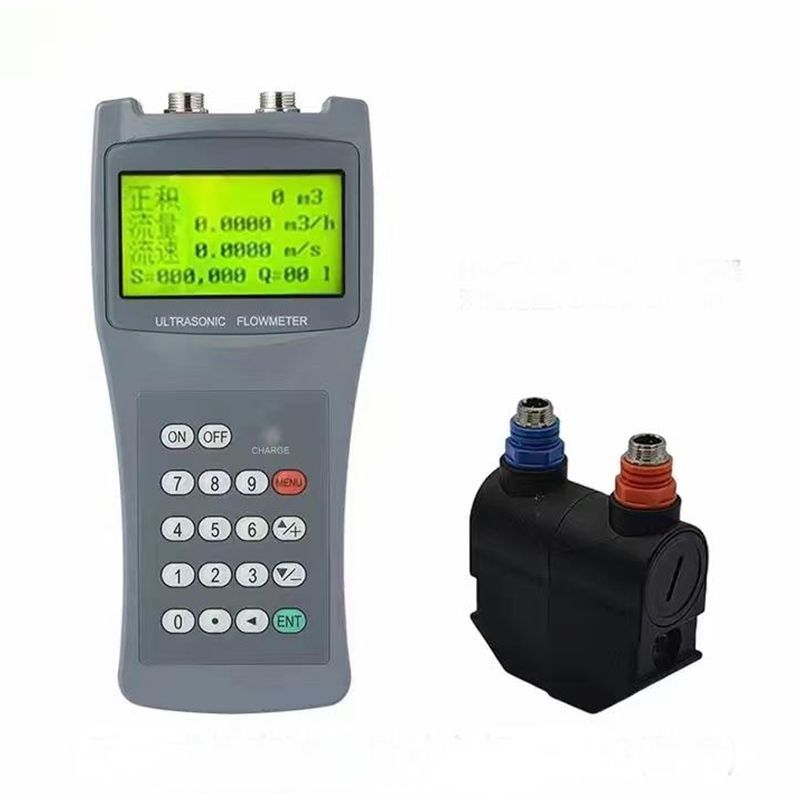
- Ultrasonic flow meters
- Mechanical flow meters
- Radar-based flow measuring devices
Comparison Table:
| Technology | Accuracy | Maintenance | Cost |
|---|---|---|---|
| Electromagnetic | ±0.5% | Moderate | Medium |
| Ultrasonic | ±1.0% | Low | High |
| Mechanical | ±2.0% | High | Low |
| Radar | ±1.5% | Moderate | High |
4. Benefits of Ultrasonic Flow Meters
Ultrasonic flow meters are gaining popularity for their numerous advantages:
- Non-invasive measurement
- High accuracy and reliability
- Low maintenance needs
- Real-time data acquisition
- Cost-effectiveness in the long run
Data Focus:
Studies show that using ultrasonic flow meters can reduce errors in wastewater data by up to 96%, enabling precise decision-making.
5. Case Studies on Effective Monitoring
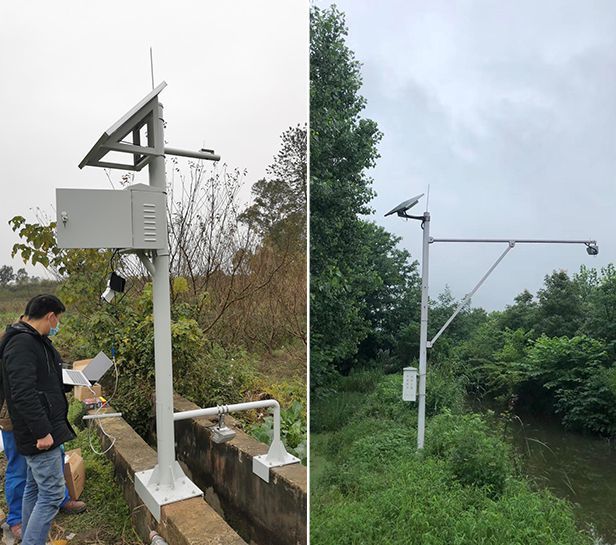
Several industries have successfully implemented accurate flow monitoring systems:
- A municipal facility that reduced overflow incidents by 40%.
- A manufacturing plant that achieved regulatory compliance through real-time monitoring.
- A water treatment provider that decreased operational costs by 20% with accurate flow measurements.
Detailed Analysis:
Effective monitoring with ultrasonic technology not only minimizes risks but also enhances operational efficiency.
6. Steps for Implementation
Here are the steps for implementing a wastewater flow monitoring system:
- Assess the current wastewater system.
- Identify key monitoring points.
- Select the right flow measurement technology.
- Install the flow meters and integrate them with existing systems.
- Regularly maintain and calibrate the system.
Flowchart of Implementation:

7. Future Trends in Wastewater Management
The future of wastewater management will encompass:
- Increased automation in monitoring systems
- Integration of IoT for real-time data analysis
- Enhanced predictive analytics to prevent issues
- Sustainable practices in water treatment
Looking Ahead:
As industries adopt advanced technologies, the role of accurate wastewater flow monitoring becomes even more critical in reducing environmental risks.
By leveraging accurate data, companies contribute not only to operational efficiency but also to a healthier environment.
Aug. 24, 2026
Aug. 24, 2026
Aug. 24, 2026
Aug. 24, 2026
