Reducing Environmental Risks with Automated Open Channel Flow Monitoring
Jan. 23, 2026
Introduction
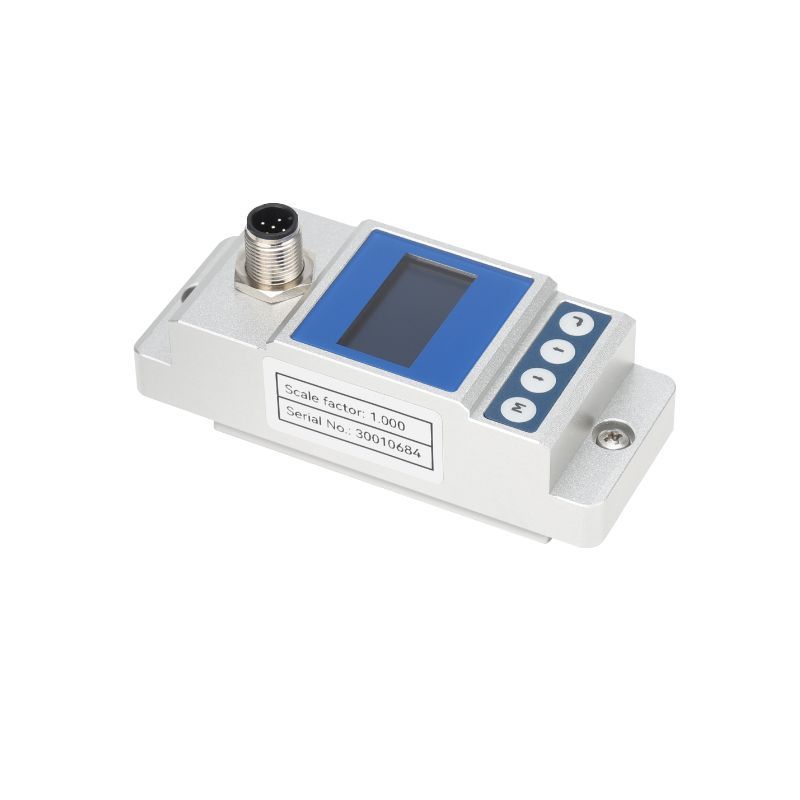
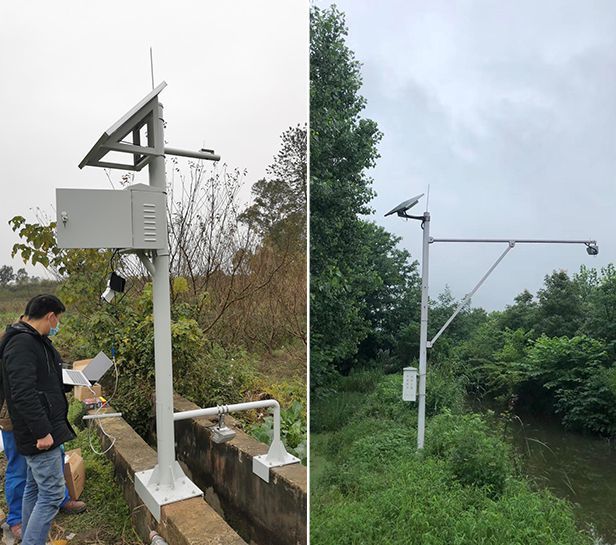
Monitoring water flow accurately is crucial in conserving our environment. The ultrasonic open channel flow meter offers a reliable solution for measuring flow rates in various water channels. This technology helps in reducing environmental risks by ensuring proper management of water resources. Automated flow monitoring prevents overflow and contamination of water bodies. It can save costs associated with manual measurements while enhancing accuracy. With an increasing focus on environmental protection, understanding how these devices work is essential.

Summary Answer
Automated open channel flow monitoring reduces environmental risks by providing precise flow measurements, preventing overflow, and ensuring sustainable water management.
1. Benefits of Automated Open Channel Flow Monitoring
Automated monitoring systems greatly improve water management processes. Here are some key benefits:
1.1 Increased Accuracy
Ultrasonic sensors provide accurate data, eliminating human error in measurements. This leads to more reliable environmental assessments.
1.2 Cost-Effective Solutions
Investing in automated systems reduces labor costs over time. Automated flow monitoring requires less manual intervention, making it a cost-efficient option.
1.3 Real-Time Data Collection
These systems offer real-time monitoring. Users can immediately respond to changes in flow, preventing potential environmental issues.
1.4 Environmental Compliance
Automated monitoring helps organizations comply with environmental regulations. Regular data collection allows for consistent reporting to authorities.
1.5 Reduced Environmental Risks
By identifying overflows and leaks early, automated flow monitors help in conserving water and protecting aquatic ecosystems.
1.6 User-Friendly Interfaces
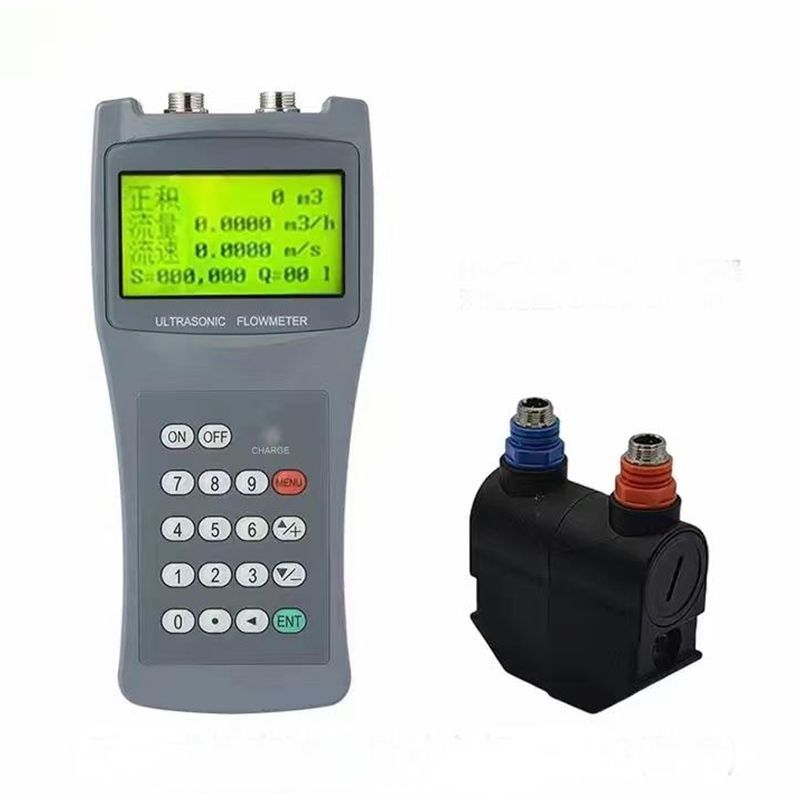
Modern devices are easy to operate and interpret. User-friendly interfaces help personnel quickly understand flow rates and make informed decisions.
2. How Ultrasonic Open Channel Flow Meters Work
Understanding the operation of ultrasonic flow meters is vital for maximizing their benefits. Here’s a simplified explanation:
2.1 Basic Principle of Operation
Ultrasonic flow meters operate by sending ultrasonic waves from a transmitter to a receiver across the channel. The time it takes for these waves to return allows calculation of flow velocity.
2.2 Setup Process
Setting up the device includes:
- Choosing the right location: Select a straight section of the channel.
- Installing the transducer: Attach the ultrasonic sensor at the correct angle.
- Calibrating the device: Adjust settings to ensure accurate readings based on channel dimensions.
2.3 Maintenance Requirements
Regular maintenance is key for reliability. Check sensors for blockages and calibrate the device periodically to ensure long-term performance.
Conclusion
In conclusion, automated open channel flow monitoring significantly enhances water management practices. The ultrasonic open channel flow meter offers accurate data collection, reduces environmental risks, and promotes sustainable practices. By adopting this technology, organizations can better comply with regulations and play a vital role in protecting the environment.
FAQ
1. What is an ultrasonic flow meter?
An ultrasonic flow meter is a device that measures the velocity of fluid in a channel using ultrasonic waves.
2. How does it reduce environmental risk?
By providing accurate flow measurements and preventing overflows, it helps maintain healthy ecosystems.
3. Can it be used in any type of channel?
Yes, ultrasonic flow meters can be installed in various open channels, including rivers, lakes, and wastewater systems.
4. What maintenance is required for ultrasonic flow meters?
Regular checks for blockages and periodic calibrations are necessary to ensure accuracy.
5. Are automated systems expensive?
While initial costs may be high, the long-term savings on labor and increased accuracy often outweigh the investment.
6. What industries benefit from this technology?
A variety of industries, including agriculture, water treatment, and environmental management, benefit from using ultrasonic flow meters.
Aug. 24, 2026
Aug. 24, 2026
Aug. 24, 2026
Aug. 24, 2026
